How to Change Refrigerator Filter: A Homeowner’s Guide
Learn to replace your refrigerator water filter with a clear, step-by-step process. Discover filter types, compatibility tips, flushing guidance, and maintenance routines to keep your fridge and water supply clean.


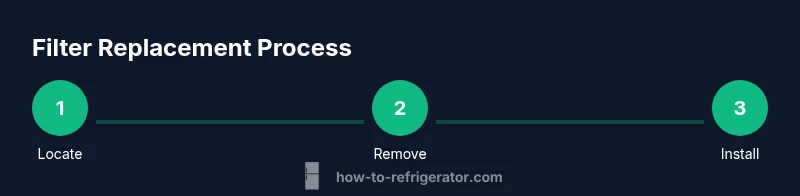
You’ll replace the fridge’s water filter by locating the filter housing, removing the old cartridge, and installing a new one. This improves water quality and protects the ice maker. Follow the manufacturer’s instructions, and run water through the new filter for a few minutes before use.
Why Changing Your Refrigerator Filter Matters
Clean refrigerator water and ice start with a fresh filter. Over time, filters collect sediment, chlorine, and microscopic contaminants that can affect taste, odor, and quality. Replacing the filter helps ensure your family drinks pure water and that the ice maker performs reliably. In addition, many modern fridges use filter indicators to signal when replacement is due, so staying on top of changes can prevent surprises. The How To Refrigerator team emphasizes consistent maintenance because a healthy water supply starts with a simple, regular filter change.
Understanding Filter Types and Compatibility
Refrigerator filters come in several formats, most of which are model-specific. The common varieties include cylindrical cartridges that twist in under the grille or inside the fridge, and inline filters on the water line that feeds the dispenser and ice maker. Some brands use plastic housings with a quick-release tab, while others require you to rotate the cartridge a certain number of degrees. Always verify compatibility by checking your fridge’s model number, the filter label, or the user manual. Using an incompatible filter can reduce water flow or fail to seal properly, leading to leaks.
Signs Your Filter Needs Replacement
A filter’s performance can degrade gradually. Look for a noticeable change in taste or odor, slower water flow, or cloudy water from the dispenser. If your ice maker starts producing smaller cubes or fewer cubes, a clogged filter may be the reason. Many fridges illuminate a filter indicator light when a change is due; if your unit lacks a light, note the replacement timeline from the manual and inspect visually at regular intervals. When in doubt, replacing a slightly older filter is a safe, low-effort maintenance step.
How to Locate the Filter on Different Models
Most refrigerators place the filter in one of three places: inside the fresh-food compartment near the top-right vent, behind a grill at the bottom front of the fridge, or on the back of the appliance. Begin by consulting your model’s label or the manual to confirm the exact location. Before you touch the filter, have a towel handy to catch any drips. If you’re unsure, take a photo of the location for reference and double-check the schematic in your manual.
Choosing the Right Filter: A Practical Guide
Filters are often labeled with model numbers or compatible appliance families. The most reliable way to choose the correct filter is to verify your fridge’s model number and cross-check with the filter packaging or manufacturer website. Look for certifications and replacement intervals recommended by the brand. If your water quality has changed or you use the dispenser heavily, opting for a higher-capacity or multi-stage filter may improve long-term performance. Remember that a good fit means better seal, fewer leaks, and consistent water flow.
Maintenance Timing and Scheduling
Rather than guessing, create a simple maintenance rhythm. Note the model and filter type when you replace it, then set a reminder a neutral 6–12 months later, depending on usage and water quality. If your household uses a water filter for a drinking fountain or coffee maker, you might need more frequent changes. Keeping a small log inside the fridge door helps you stay on track. The goal is predictable performance, not perfection—regular checks prevent surprises and keep taste consistent.
Flushing, Testing, and Indicator Reset
After installing a new filter, run cold water through the dispenser for a few minutes or until the water runs clear. This removes any trapped air and initial manufacturing residue. If your model features a filter indicator, reset it according to the user manual—many models require holding a button for several seconds. Check for leaks around the filter housing and wipe away any moisture. A final test with a glass of water confirms proper flow and clarity.
Common Mistakes to Avoid
Avoid overtightening the filter, which can damage the seal and cause leaks. Never force a filter into place if it doesn’t twist in smoothly; this could indicate incompatibility or a misalignment. Don’t assume a new filter will completely cure all taste issues—old plumbing, mineral buildup, or contaminated storage can also affect water quality. Finally, never ignore a persistent leak or a recurring abnormal taste; consult the manual or service support if problems persist.
Quick Tips for Safe Disposal and Eco-Friendliness
Recycle used filters when the manufacturer allows and follow local guidelines for disposing of household appliance parts. If you’re replacing multiple filters across a home, consolidate disposal tasks to reduce waste and reuse protective gloves or towels when handling dirty components. Keeping the original packaging for the new filter helps you confirm model compatibility later, and using a reusable towel minimizes waste.
Final Watchouts and How How To Refrigerator Helps
If your fridge’s water filter system includes multiple stages or a specialized housing, consult the exact instructions before attempting changes. Our team at How To Refrigerator emphasizes model-specific guidance to avoid mistakes. Always refer to your appliance’s manual for precise steps, while using these general best practices as a baseline for safe, effective maintenance.
Tools & Materials
- Replacement refrigerator water filter cartridge(Ensure model-compatible; check the label inside the fridge or the manual.)
- User manual or model number reference(Helpful for verifying compatibility and exact removal/installation steps.)
- Soft cloth or lint-free towel(For wiping spills and drying the housing area.)
- Paper towels(Keep a supply for cleanup and wiping the area after replacement.)
- Gloves (optional)(Protect hands from cold surfaces and water droplets.)
Steps
Estimated time: 20-30 minutes
- 1
Locate the filter housing
Identify where your fridge stores the filter. Check the user manual or model label for the exact location and any safety notes. Place a towel underneath to catch drips and prepare a clean workspace.
Tip: If you’re unsure, take a quick photo of the location before touching any parts. - 2
Remove the old filter
Twist the filter counterclockwise or release the locking mechanism as your model requires. Pull it straight out without forcing. Have towels ready for any residual water.
Tip: Do not use excessive force; misalignment can damage the seal. - 3
Prepare the new filter
Remove packaging and inspect the O-rings. Rinse the filter quickly under cold water if the manufacturer recommends it, then shake off excess water.
Tip: Always confirm compatibility before washing or pre-rinsing. - 4
Install the new filter
Insert the new cartridge and twist clockwise or engage the locking mechanism per your model. Ensure it’s fully seated to form a proper seal.
Tip: Do not overtighten; overtightening can damage threads or housing. - 5
Flush the filter
Run cold water through the dispenser for 2-3 minutes or per the manual until the water runs clear and steady.
Tip: This removes air pockets and initial residue from the new filter. - 6
Reset the filter indicator
If your fridge has an indicator light, reset it according to the manual. Some models require a hold-time on a button to reset.
Tip: Resetting avoids false alerts about filter life remaining. - 7
Check for leaks and clean up
Wipe the housing area and check for any drips over the first hour. If you notice a leak, reseat the filter and verify the seal.
Tip: A quick check after 15 minutes can save you from a puddle later.
FAQ
How often should I change the fridge filter?
Most guidance suggests replacing annually or sooner if you notice changes in taste, odor, or water flow. If you use the ice maker heavily or have poor water quality, more frequent changes may be beneficial.
Typically, replace once a year, or sooner if water quality or flow changes. If you use the ice maker a lot, consider checking more often.
Can I use any filter in my fridge?
No. Fridge filters are designed for specific models or families. Always verify compatibility by checking the model number and the filter packaging.
No. Filters are model-specific, so check the model number and packaging.
What if I can’t locate the filter?
Consult the user manual or manufacturer website for your exact model. Check common locations like the grille at the bottom or the back panel.
If you can’t find it, refer to the manual or model diagram online, and inspect common locations on your fridge.
Do I need to shut off the water supply for replacement?
Most replacements can be done without shutting off the main supply. If your model has a dedicated shut-off valve, you may_turn it off briefly to minimize drips.
Usually you don’t need to shut off water, but if your setup has a valve, you can turn it off briefly.
How long should I flush the new filter?
Flush until the water runs clear and steady, typically a few minutes, as recommended by the manufacturer.
Flush until the water is clear and steady, as advised by your fridge’s instructions.
What maintenance should follow a filter change?
Record the date and model, reset the indicator, and keep the area clean. Regularly check for leaks and taste changes as part of routine maintenance.
Note the date, reset alerts, and monitor for leaks or taste changes.
Watch Video
Top Takeaways
- Choose the right filter by model and label
- Follow model-specific steps for removal and installation
- Flush and test before regular use
- Reset indicators to maintain reminders
- Inspect for leaks and clean surrounding area