How Often to Change Refrigerator Filter: A 2026 Guide
Learn how often to change refrigerator filter, factors that affect interval, and a practical replacement checklist. Get How To Refrigerator guidance to tailor cadence to your home.


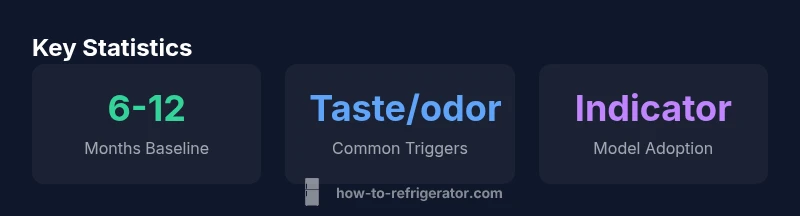
For most households, change the refrigerator water filter every 6 to 12 months. Start with the manufacturer's recommendation for your model, then adjust based on usage, water taste or odor, and indicator lights. If your water flow drops or the taste changes sooner, replace earlier. Keep track with a calendar reminder.
Why regular refrigerator filter maintenance matters
According to How To Refrigerator, the filter on your fridge is the first line of defense between your drinking water, ice, and the contaminants that can affect flavor and safety. A dirty or clogged filter can reduce water flow, cause ice with odd taste, and place extra strain on the cooling system as the appliance tries to compensate for restricted flow. Over time, this can also accelerate mineral buildup in the ice maker or dispenser.
Why that matters for you:
- Clean, fast water flow means better efficiency and convenience.
- Fresh-tasting ice relies on a functioning filter.
- Proactive replacement helps prevent unexpected service calls.
In practice, maintaining the right filter interval is a simple, cost-effective habit. Most manufacturers publish a baseline interval, but real-world needs vary with usage, water quality, and filter design. This article focuses on practical, homeowner-friendly guidance to determine the best interval for your home, plus a clear, step-by-step replacement process and tips to extend filter life.
Baseline interval: 6–12 months as a starting point
For the majority of households, a safe starting point is to replace the refrigerator water filter every 6 to 12 months. This baseline reflects typical municipal water quality and standard filter designs used in many popular models. However, the exact interval is model-specific; always check your refrigerator's owner manual or the model's filter specification for the recommended interval. The How To Refrigerator analysis emphasizes using the manufacturer’s guidance as the anchor, then adjusting based on real-world signals. If you notice reduced water flow, a noticeable change in taste, or if your indicator light signals a replacement, you should err on the side of replacing sooner rather than later. Keeping a simple reminder on your calendar or noting the replacement date in the fridge’s filter log helps stay on schedule.
Factors that influence interval length
Several factors push you toward replacing earlier or later than the baseline:
- Usage level: A large family or frequent guests will push you toward 6 months or sooner.
- Water quality: Well water, high mineral content, or chlorine-treated supply can shorten filter life.
- Filter design: Long-life or high-capacity filters may extend the interval, but you should still follow guidance and monitor signals.
- Ice vs water demand: If your ice maker runs heavily, filters may wear out faster.
- Model indicators: Many fridges include a filter life indicator; treat it as a primary signal rather than a strict timer.
These considerations mean there isn’t a one-size-fits-all interval. Use the baseline as a jumping-off point, then watch for taste, odor, flow changes, and indicator signals. How To Refrigerator recommends tracking real-world results for your household to optimize the frequency while protecting water quality and appliance performance.
How to spot when it's time to change
Your best clues are tangible: taste and flow. Start with the indicator light if your fridge has one; many modern units provide a filter status that turns from green to amber or red when replacement is due. If the light doesn’t exist, rely on your senses and flow:
- Water tastes or smells off; even a slight change is a red flag.
- Water flow is slower than usual, or ice production declines.
- You notice visible particles or cloudiness in the water.
A good habit is to replace the filter at the first sign of any of these cues, then flush the system with several gallons of water to ensure any trapped sediments are cleared. If you’re on well water or a high-mineral supply, you may want to test water quality periodically and adjust accordingly. Remember: delaying replacement can lead to reduced filter effectiveness and the need for more extensive cleaning later. How To Refrigerator emphasizes using model-specific guidance whenever possible to avoid over-replacement or under-replacement.
Replacement guides by filter type and fridge design
Most refrigerators use a standard, replaceable water filter that sits in a dedicated housing. Some models feature advanced or long-life filters, and a few use charcoal cartridges that may differ in installation steps. In general:
- Standard filters: Replace within 6–12 months, depending on usage.
- Long-life/high-capacity filters: Expect 9–12 months with similar monitoring signals.
- Inline or specialty filters (for certain water supplies): Follow the model's specification and consider water testing to ensure compatibility.
Regardless of type, always purchase a replacement from the original equipment manufacturer (OEM) or a trusted aftermarket option compatible with your model. The How To Refrigerator team notes that compatibility and proper seating are critical to avoid leaks and ensure proper filtration.
Step-by-step replacement guide (quick, safe, and effective)
Follow these steps to replace your fridge filter with confidence:
-
Locate the filter housing (often near the bottom grille, interior back panel, or inside a door).
-
Prepare a towel and container to catch any spilled water.
-
Turn off water supply if applicable and twist or release the old filter counterclockwise, removing it carefully.
-
Remove the new filter from its packaging; align with the housing and insert until it clicks or seats snugly.
-
Turn the filter to lock, then run a pitcher of water to prime the filter, discarding the first gallon or two to flush sediment.
-
Reset the fridge’s filter indicator if you have one.
-
Check for leaks and wipe any drips. If water still does not pour, recheck seating and seals.
This procedure covers most standard fridges. If your model includes a special tool or procedure, consult the owner manual. How To Refrigerator’s repair guidelines stress safety and proper seating to prevent leaks and ensure optimal filtration.
Maintenance tips to extend filter life
Beyond replacing on schedule, you can extend filter life with simple habits. Use cold water when testing the system; avoid drawing large amounts of hot water from the dispenser, which can stress the filter. Keep the water line clean by avoiding sediment-laden feeds and consider periodic water testing if your supply is known to be high in minerals or particulates. Store extra filters in a cool, dry place and label replacement dates to stay organized. Finally, inspect door seals and the ice maker line for leaks, as leaks can introduce air and contaminants that accelerate filter wear. With these practices, you’ll maintain taste, improve efficiency, and reduce maintenance surprises. The How To Refrigerator team’s maintenance philosophy centers on clear, actionable steps homeowners can follow to keep their appliances running smoothly.
Filter maintenance guidelines
| Aspect | Recommendation | Notes |
|---|---|---|
| Baseline interval | 6-12 months | Starting point; adjust by usage and water quality |
| Indicator signals | Watch for green/amber/red indicator | Model-dependent; check owner manual |
| Well water considerations | Use well-water-rated filters | Consult water quality and specs |
FAQ
How often should I replace the refrigerator filter?
Most households should replace every 6-12 months; follow model-specific guidance and monitor indicator signals.
Most households replace every six to twelve months; check your model's guidance and watch the indicator.
Can I extend filter life beyond 12 months?
You can extend slightly with lower usage or high-quality water, but typically you should follow the baseline and monitor signals.
Only if you have less usage or better water quality; otherwise replace on schedule.
What should I do if water tastes or smells after replacement?
Flush the system with several gallons of water and re-evaluate; if the taste persists, replace again.
Flush several gallons; if the taste stays, consider replacing the filter again.
Are there filters for well water?
Yes. Choose filters rated for well water and consult your model specs or a water test for compatibility.
Yes. Use well-water-rated filters and check your model specs.
Does replacing the filter affect ice production?
Replacing and properly seating the filter can restore water flow and improve ice quality.
Yes, correct replacement can restore ice quality and flow.
How do I reset the filter indicator after replacement?
Follow your model’s reset procedure, typically by holding a button or navigating the settings until it resets.
Reset procedures vary by model; check your owner manual.
“Regular filter changes protect taste and water quality, and they support appliance performance. It’s a simple step with outsized benefits.”
Top Takeaways
- Start with a 6–12 month baseline.
- Adjust interval based on usage and water quality.
- Use filter indicators as primary signals.
- Flush the system after replacement.
- Document replacement dates to stay on track.