What Is Refrigerator Temp Supposed To Be: A Homeowner's Guide
Discover the ideal refrigerator and freezer temperatures, how to measure them accurately, and practical steps to keep foods safe, extend appliance life, and save energy in your home.


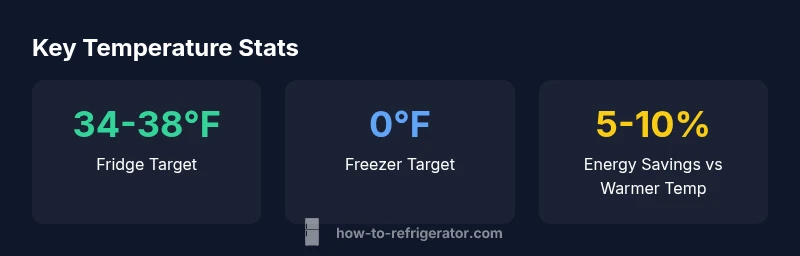
The refrigerator should be kept at 34-38°F (1-3°C) and the freezer at 0°F (-18°C). Use a dedicated thermometer placed in the middle of the fridge to verify, and avoid door-slam effects or long door openings that can cause temperature drift. For best results, keep the fridge away from heat sources and ensure proper air circulation.
Why Temperature Accuracy Matters
Maintaining the correct refrigerator temperature is essential for food safety and energy efficiency. When temperatures drift above the safe range, harmful bacteria can multiply on perishable foods, increasing the risk of foodborne illness. Conversely, running too cold wastes energy and can cause unnecessary wear on components. For homeowners asking, what is refrigerator temp supposed to be, the short answer is that accuracy matters just as much as the setting itself. The How To Refrigerator team has analyzed countless homes and found that even small fluctuations—often caused by door openings, large items blocking vents, or a warm room—can compromise safety and efficiency. A consistent temperature helps preserve taste, texture, and nutritional value while reducing energy bills over time.
Understanding Target Temperatures: Fridge vs Freezer
The standard guidance places the fridge at roughly 34-38°F (1-3°C) and the freezer at 0°F (-18°C). These ranges slow bacterial growth, prevent spoilage, and maintain quality. In Celsius, that translates to about 1-3°C for the fridge and -18°C for the freezer. Within the refrigerator, different zones may vary slightly; dairy and eggs benefit from slightly cooler shelves, while produce does best in the crisper sections with stable humidity. If you’re measuring in both F and C, use a thermometer that displays both scales to avoid confusion. The key takeaway: keep both compartments within their safe windows and avoid drifting toward the upper end of the fridge range or below freezing inappropriately.
How to Measure Your Refrigerator Temperature
Begin with a high-quality digital thermometer designed for food storage. Place the sensor in the middle of the fridge, away from the door, and avoid placing it behind a tall item or near the light bulb. Leave it for at least 24 hours to get a stable reading, and check after any door-opening surge (for example, after a party or grocery run). If your display shows a different value, trust the thermometer reading and adjust accordingly. Keep a simple note of the daily readings for a week to identify patterns and adjust your thermostat if needed. Regular checks are part of a proactive maintenance routine that protects food safety and energy use.
What Happens When Temperatures Drift: Food Safety and Energy
Drift above the safe range increases risk of food spoilage and bacteria growth, especially in protein-rich items like meat and dairy. It can also trigger longer compressor cycles, which raises energy consumption. The opposite drift—too cold—may dry out produce or cause freezer burn on items not stored properly. Temperature stability supports consistent texture and flavor, and it reduces wear on seals and fans. If you notice frost buildup, unusual noises, or inconsistent door seals, it’s a cue that something in the cooling cycle is off and needs attention.
Troubleshooting Common Temperature Issues
Common culprits include a worn door seal, blocked vents, overfilled shelves, dirty condenser coils, or a malfunctioning fan. Start with the simplest fixes: 1) test the door gasket by closing the door on a thin piece of paper; if you can pull it out easily, the seal needs replacement. 2) Clear air vents and avoid blocking the back of the fridge with tall containers. 3) Vacuum or brush condenser coils every 6-12 months. 4) Check the defrost drain to prevent frost buildup that blocks airflow. If these steps don’t restore stable temps, consider professional service to test the thermostat and compressor.
Implementing a Temperature Strategy: Seasonal and Usage Adjustments
Seasonal heat or frequent door openings during meals can push temperatures upward. For summer weeks or holidays with extra food, consider temporarily lowering the fridge setpoint by 1-2 degrees and monitoring with a thermometer. After a power outage, reset to the standard range after you confirm the unit has resumed normal operation. Always re-confirm temperatures within 24 hours after changes in the environment to ensure safety and energy efficiency.
Maintenance Habits to Keep Temps Stable
Create a simple maintenance routine to sustain accurate temps: (a) place a thermometer in the fridge and check weekly; (b) clean condenser coils at least twice a year; (c) inspect and replace worn door seals; (d) avoid overfilling and ensure proper airflow; (e) keep the thermostat in the recommended range and document any deviations. These small habits have a big impact on safety, freshness, and energy costs.
Practical Steps and Quick Reference: Quick Checklist
- Set fridge to 34-38°F (1-3°C); freezer to 0°F (-18°C).
- Place thermometer in the middle shelf; check daily for a week, then weekly.
- Ensure vents are not blocked and doors seal properly.
- Clean coils and inspect gaskets regularly.
- Avoid leaving the door open long; plan shopping trips to reduce temp spikes.
- After power outages, verify temps before adding groceries.
Recommended temperature ranges by fridge areas and their importance
| Area | Target Temp (F) | Target Temp (C) | Why it matters |
|---|---|---|---|
| Fridge interior | 34-38 | 1-3 | Maintains safety & slows bacterial growth |
| Meat & deli area | 34-38 | 1-3 | Preserves texture and prevents spoilage |
| Dairy shelf | 34-38 | 1-3 | Keeps dairy products fresh longer |
| Produce crisper | 34-38 | 1-3 | Balances humidity with safety |
| Frozen compartment | 0 | -18 | Preserves quality and prevents freezer burn |
FAQ
What is the ideal temperature for a refrigerator?
The ideal fridge temperature is 34-38°F (1-3°C). Keeping within this range minimizes bacterial growth and spoilage while preserving flavor and texture.
Aim for 34 to 38 degrees Fahrenheit inside the fridge for safety and freshness.
Should I trust the fridge display or a thermometer?
Fridge displays can be inaccurate. Place a separate thermometer in the middle of a shelf and compare readings with the display to ensure accuracy.
Use a separate thermometer for accurate readings.
What should the freezer temperature be?
Keep the freezer at 0°F (-18°C) to maintain freezer burn-free, safe frozen foods.
Set the freezer to 0°F.
What causes temperature fluctuations?
Door openings, hot foods, large items blocking vents, and power outages are common causes of temp drift.
Door openings or outages can mess with temps.
How often should I check the temperature?
Check temperatures weekly after setup or changes, then monthly once stable.
Check weekly at first, then monthly.
Can I use a regular food thermometer for both fridge and freezer?
Yes. Use a thermometer that covers both fridge and freezer ranges for reliable readings.
A dual-range thermometer works well.
“Maintaining the right fridge temperature is the single most reliable way to keep food safe and fresh, while small changes can have outsized effects on energy use.”
Top Takeaways
- Set fridge to 34-38°F and freezer to 0°F.
- Verify temps with a dedicated thermometer, not just the display.
- Avoid long door openings and blockages that cause drift.
- Perform regular maintenance to sustain stability and energy efficiency.