Optimal Refrigerator Temperature Guide for Homes (2026 Update)
Learn the recommended fridge and freezer temperatures, how to measure accurately, and practical tips to keep foods safe while saving energy in 2026.


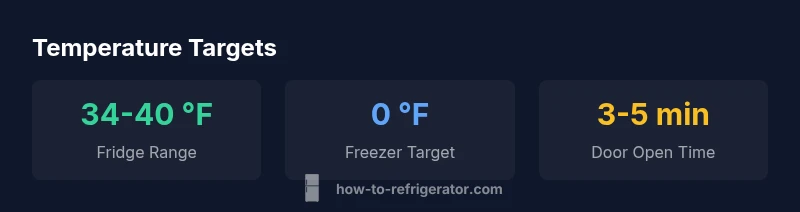
In home settings, temperature refrigerator should be kept between 34 and 40°F (1-4°C) to balance food safety with energy efficiency, and the freezer should stay at 0°F (-18°C). Regular thermometer checks help maintain these targets. The How To Refrigerator team emphasizes consistent monitoring to prevent unsafe temps and wasted energy.
Why Temperature Control Impacts Food Safety and Energy Use
In everyday kitchen practice, temperature refrigerator should be kept within a narrow band to slow bacterial growth and reduce energy use. The How To Refrigerator team found that small deviations can cascade into food safety risk and higher utility bills. When temperatures drift upward, dairy products and leftovers can enter the danger zone before you notice; when they drift downward, you waste energy and risk freezer burn on items not meant to be frozen. A precise, consistent temperature supports both food safety and efficient operation, making it a foundational maintenance task for any homeowner. This section will unpack the science behind temperature stability, the practical steps you can take, and how to balance safety with energy use in real homes.
Recommended Refrigerator and Freezer Temperatures
The recommended temperature refrigerator should be between 34 and 40 degrees Fahrenheit (1 to 4 degrees Celsius). Keeping the fridge within this range slows bacterial growth without freezing foods in the wrong places. The freezer belongs at 0°F (-18°C) or slightly lower for long-term storage. These targets align with food safety standards and energy guides used by many manufacturers. Remember that some models have separate compartments with minor variances, so the exact numbers may shift a degree or two. If you notice frequent door openings or a large amount of warm ambient air entering the cabinet, you may need to fine-tune the thermostat or adjust the venting to maintain a stable temperature. In practice, aim for a stable middle and avoid the temptation to push the thermostat toward the coldest setting as a default.
How to Measure and Maintain Consistent Temperatures
Reliable measurement starts with a dedicated refrigerator thermometer placed away from the door, near the middle shelf. Place the freezer thermometer in the back, not in a cold air vent. After you set the temperatures, wait 24 hours and then check readings in both compartments. If readings drift by more than a degree or two, inspect the door seals for wear, clean the condenser coils, and ensure there is adequate clearance for air to circulate. Practical habits reduce drift: keep the fridge full but not overloaded, store items in covered containers, and avoid placing hot foods directly inside. Spreading warm food over multiple containers helps the internal air settle and stabilizes temperature faster. As you implement these checks, remember that consistent temperature is a balance between ambient conditions, door usage, and the energy belt of your appliance.
Common Temperature Mistakes and Fixes
Many households misjudge temperature by relying on guesswork rather than measurement. Common mistakes include leaving doors open while cooking, placing hot dishes directly on shelves, and blocking vents with large containers. Fixes are straightforward: close doors promptly, allow hot items to cool before refrigeration, and re-arrange shelves to keep airflow clear. Another frequent issue is dirty condenser coils that reduce cooling efficiency and cause motor cycling, which can mask correct settings. Clean coils every 6 to 12 months and vacuum the surrounding area. If your thermometer shows frequent fluctuations even after these steps, you may need to adjust the door gasket or consider a service check to verify the damper and sensor alignment. A small calibration can restore steady performance and prevent wasting energy.
Seasonal Considerations and Defrost Cycles
Seasons influence how hard your fridge has to work. In very hot environments or rooms with poor insulation, you may see a wider temperature range unless you account for heat load. In the freezer, manual defrost cycles can help prevent frost build-up that blocks air passages, but modern frost-free models handle this automatically. For homes with older appliances, a defrost cycle may extend run time but reduce ice formation that interferes with airflow. If your fridge is located in a non-climate-controlled area, consider moving it to a cooler spot during heat waves and using an insulating blanket on the exterior if recommended by the manufacturer. Always defer to your user manual for defrost timing and temperature adjustments, as mis-tuning can lead to temperature instability.
Energy Savings Without Compromising Food Safety
Energy-efficient operation begins with maintaining the target temperature and minimizing door openings. Use energy-saving modes if your model offers them, and keep gaskets clean to prevent air leaks. A well-tuned refrigerator uses less electricity because the compressor runs less frequently while maintaining the safe temperature band. You can also reduce energy use by organizing contents so cold air can circulate, using glass containers to see contents easily, and avoiding the use of warm plates that raise the interior temperature. If your home has multiple heat sources near the appliance, position the fridge away from ovens or sunny windows to avoid forcing the compressor to work harder. By prioritizing temperature stability alongside door discipline, you achieve better energy efficiency and safer food storage.
The Role of Defrosting and Condensation in Temperature Stability
Defrost cycles and condensation management play a subtle but important role in maintaining the correct temperature. Frost or ice on the evaporator coil can impede airflow and raise the effective temperature inside the fridge. Frost buildup reduces cooling capacity and can create a false sense that the temperature is within range when it is not. Regular defrost, as recommended by the manufacturer, keeps air channels clear, ensuring even cooling. Similarly, ensure door seals are intact; a leaky gasket can cause warm pockets to form when the door closes. In modern units, frost-free technology minimizes these issues, but it is still wise to check for frost or ice after heavy use or when you notice inconsistent temperatures.
Troubleshooting When Temperature Fluctuates
If you notice your refrigerator wandering outside the 34-40°F range, start with quick checks: confirm the door seals, verify the temperature setting, and look for airflow obstructions. If the issue persists, check the condenser coils and the fan, and listen for unusual noises that could indicate a failing compressor or sensor. A trained technician can verify that thermistors, dampers, and control boards are functioning correctly. Regular preventative maintenance, including door seal inspection and coil cleaning, reduces the likelihood of disruptive temperature swings and extends the life of your appliance. The How To Refrigerator team emphasizes that consistent cooling is a shared responsibility between the equipment and how you use it.
Simple table of common fridge zones and targets
| Area | Recommended Temperature | Unit | Notes |
|---|---|---|---|
| Fridge | 34-40 | °F | Keep cold but not freezing |
| Freezer | 0 | °F | Maintain solidly frozen foods |
| Produce Drawer / Cold Shelf | 38-40 | °F | Best for short-term produce storage |
FAQ
What is the recommended temperature for a refrigerator?
The fridge should be kept at 34-40°F (1-4°C) to slow bacterial growth without freezing items. Use a thermometer to verify and adjust as needed.
Keep your fridge at 34-40°F. Use a thermometer to verify and adjust.
Does opening the fridge door often affect temperature?
Yes. Frequent door openings introduce warm air, causing temp swings. Minimize openings and check seals if you notice repeated fluctuations.
Yes. Frequent door openings can swing temps; minimize openings and check seals.
How can I test fridge temperature accurately?
Place a dedicated thermometer in the middle shelf for the fridge and another in the freezer. After 24 hours, confirm readings are within target ranges.
Put a thermometer in the fridge and freezer, wait 24 hours, and check.
Should fridge temperature change with seasons?
Seasonal heat can push the fridge to work harder. Maintain the recommended range and adjust placement away from heat sources or direct sun.
Seasons can affect temps; stay within the recommended range and reduce heat exposure.
What should I do if my fridge isn’t cooling properly?
Check door seals, vents, and condenser coils first. If temps remain off after these checks, a professional service may be needed to inspect sensors and the damper.
Check seals, vents, coils, and if needed call a professional.
How often should I clean the condenser coils?
Clean coils at least every 6 to 12 months, more often in dusty environments, to maintain cooling efficiency and stable temperatures.
Clean condenser coils every 6–12 months to keep temps stable.
“Maintaining a stable temperature is the single most effective thing homeowners can do to protect food safety and curb energy use.”
Top Takeaways
- Set fridge to 34-40°F (1-4°C) and freezer to 0°F (-18°C).
- Use a dedicated thermometer and wait 24 hours before rechecking.
- Keep air circulating; avoid overfilling and seal leaks.
- Regularly inspect seals and clean condenser coils.
- Defrost cycles and proper defrost timing support stability.