Ideal Temperature for Refrigerator: A Homeowner's Guide to Safe, Efficient Cooling
Learn the ideal temperature for refrigerator storage, how to measure it accurately, and practical steps to keep foods safe while saving energy. How To Refrigerator explains a simple setup for reliable cooling.


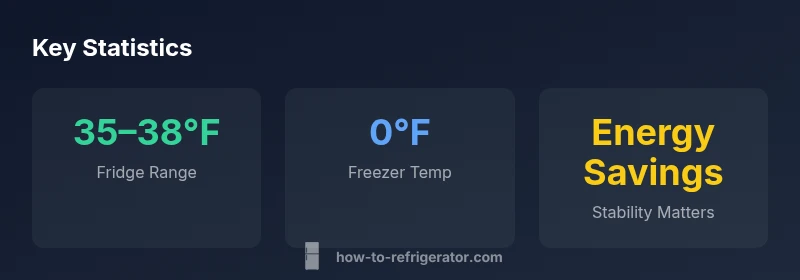
According to How To Refrigerator, the ideal temperature for refrigerator storage is typically between 35°F and 38°F (1.7°C to 3.3°C). This range slows bacterial growth, preserves freshness, and reduces energy use. Most households see the best results by staying within this band and avoiding frequent temperature fluctuations caused by door openings.
Understanding why temperature stability matters for your refrigerator
Temperature stability is the backbone of food safety and energy efficiency in any kitchen. When a fridge runs too warm, perishable items can enter the danger zone where bacteria multiply rapidly, dairy can sour, and leftovers lose texture. Conversely, excessive cold can freeze items that don’t belong in the freezer and force the compressor to work harder than necessary, wasting electricity and shortening component life. For the average household, a tight range minimizes both risk and cost. The ideal temperature for refrigerator storage is between 35°F and 38°F (1.7°C to 3.3°C). By avoiding large swings caused by door openings, hot groceries, or seasonal heat, you protect your food quality while keeping energy bills in check. In practice, a small monitoring routine—checking the temperature once a day and guarding the door against prolonged openings—delivers outsized benefits over months and years.
How to measure and set the ideal temperature for refrigerator reliably
Reliable measurement starts with a good thermometer and a thoughtful placement. Place an appliance thermometer in the center of the middle shelf, away from the back wall, vents, and the door where warm air enters. Keep the door closed for 24–48 hours after you set a new target to let the temperature stabilize. If readings stay above 38°F or below 35°F, adjust the thermostat one notch at a time and retest for another day. If your fridge has a digital display, use it as a quick reference, but confirm with a separate thermometer to account for potential sensor drift. Remember that items added from the grocery bag can alter the local cold zone for a day or two, so test after a full shopping trip for accuracy.
Common mistakes that ruin temperature control
Common missteps include leaving the door open for extended periods, overcrowding the shelves, and placing warm foods directly into the fridge. Air needs to circulate around items; blocking vents or cramming the refrigerator leads to temperature pockets and uneven cooling. Also, don’t rely on a worn door gasket or a loose seal as a fix for a high-temperature problem. Finally, frequent changes to the thermostat without allowing the interior to stabilize will keep nudging the temperature out of range and negate any energy savings.
Seasonal and usage considerations
Ambient temperature and usage patterns change with the seasons. In hot summer weather, outdoor heat can push the fridge to work harder to maintain the target, increasing energy consumption and risking brief excursions above the safe range. Holidays and busier households bring more entries of groceries and longer door openings, which can temporarily disrupt stability. In these periods, small tweaks—such as pre-cooling beverages, organizing items to improve airflow, or using the refrigerator’s energy-saving mode if available—help keep temperatures consistent without overtaxing the compressor.
Practical steps to maintain the ideal temperature without wasting energy
Commit to a routine that keeps the interior steady: clean condenser coils every 6–12 months, inspect and replace worn door gaskets, and avoid placing heat-producing items in the fridge. Keep the interior organized so air can circulate freely, and avoid storing too many items that block vents. Use the recommended range (35–38°F) as your baseline, and let the unit recover after every door opening before you add more items. Small habits—like waiting for leftovers to cool before refrigeration and letting groceries cool briefly—add up to meaningful energy savings over the year.
Using thermometers, thermostats, and smart features
Digital thermostats and built-in sensors provide more precise control than traditional dials, but they require periodic calibration and validation with a separate thermometer. If your model supports a smart app, use it to monitor temperatures remotely and receive alerts when a reading drifts outside the safe band. For older units, a simple thermometer check once a day remains a reliable method. Remember, technology helps, but consistent habits—like keeping the door closed and avoiding hot items—matter just as much.
Quick maintenance and when to call a pro
If you notice persistent warm spots, unusual frost buildup, or unequal cooling, investigate the door seals, vents, and defrost system. A slowly leaking gasket or a blocked evaporator can cause temperature swings that aren’t obvious at the dial. When basic checks don’t restore stability, call a qualified appliance repair technician. Timely professional assessment can prevent spoilage, extend the appliance’s life, and ensure energy efficiency remains high.
Key refrigeration temperature guidance
| Aspect | Recommended range | Why it matters |
|---|---|---|
| Fridge temperature | 35–38°F (1.7–3.3°C) | Slows bacteria growth and preserves freshness |
| Freezer temperature | 0°F (-18°C) | Keeps frozen foods safe and texture stable |
| Door-open impact | Frequent openings cause excursions | Avoid frequent door openings and ensure air can circulate |
FAQ
What is the ideal temperature range for a refrigerator?
The ideal range for most refrigerators is 35–38°F (1.7–3.3°C). This supports safety by slowing bacterial growth while conserving energy. Avoid frequent swings caused by door openings.
Keep it between 35 and 38°F for best safety and energy efficiency.
What happens if the fridge is too cold?
If it gets too cold, dairy and produce can freeze, texture and flavor degrade, and energy use can rise due to excessive cooling.
Dairy may freeze and energy costs go up if it’s too cold.
How can I test my fridge temperature accurately?
Place a calibrated thermometer in the center of the fridge away from the door, close it, and wait 24–48 hours before adjusting. Record readings to ensure stability.
Use a thermometer in the middle shelf and wait 24 hours to verify.
Does temperature vary with the seasons?
Ambient temperature and humidity can cause mild fluctuations. Maintain a stable setting and avoid large door openings during peak heat.
Yes, warmer days can push temps up a bit; keep the door closed and avoid hot foods in the fridge.
Is it safe to raise the temperature during holidays?
Try not to exceed the recommended range; if extra cooling is needed, use extra fridge space, pre-chill items, and monitor temps closely.
Don’t push the fridge out of the safe range; plan ahead and monitor temps.
“Maintaining the correct fridge temperature is foundational for food safety, energy efficiency, and appliance longevity.”
Top Takeaways
- Set a stable target: keep fridge at 35–38°F.
- Test after adjustments for 24–48 hours.
- Avoid door-swinging and overcrowding.
- Use thermometer to verify, not just a dial.
- Regular maintenance supports safety and energy efficiency.