Correct Temperature for Refrigerator: A Homeowner's Guide to Safe, Efficient Cooling
Discover the correct temperature for refrigerator and why it matters for safety and energy efficiency. This How To Refrigerator guide covers optimal ranges, practical checks, and maintenance steps.


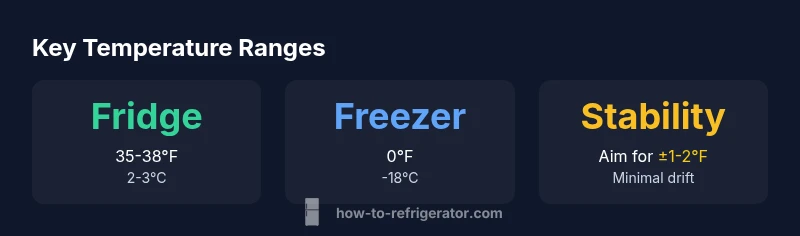
The correct temperature for refrigerator is 35-38°F (2-3°C) for the fridge compartment, while the freezer should sit at 0°F (-18°C). Keeping within this range slows bacterial growth, preserves texture, and minimizes energy use. If your model supports presets, set the fridge to 37°F as a safe default and adjust based on food load.
Why Temperature Control Matters
Temperature control is the quiet defender of freshness and safety in your kitchen. The correct temperature for refrigerator isn’t just about cooling beverages — it is a foundational step in food safety and appliance efficiency. When a fridge runs too warm, perishable items can slip into the so-called danger zone where bacteria proliferate and spoilage accelerates. Conversely, excessive cooling can waste energy, freeze sensitive produce, and shorten the life of seals and gaskets. A stable temperature also reduces the workload of the compressor, lowering energy bills and wear over time. For homeowners, understanding temperature control translates into practical steps you can take today: verify target ranges, monitor with a thermometer, and adjust placement of items to minimize drift. In short, correct cooling protects health, preserves flavor, and saves money. How you achieve that stability—through the right target ranges, smart loading, and regular checks—becomes a repeatable, home-friendly routine.
What Is the Correct Temperature Range for Everyday Use
In most homes, the fridge compartment should stay in the 35-38°F (2-3°C) range, while the freezer should be at 0°F (-18°C). These figures are widely recommended because they slow microbial growth without freezing delicate foods. If you own a model with a digital display or smart presets, aim for a default of 37°F and let the thermometer confirm stability across a typical week. Regional climate and kitchen ambient temperature can cause small fluctuations; the goal is to keep the interior within a narrow band, especially around high-humidity seasons or when the door is opened frequently. Remember that different foods have different ideal storage temperatures, but a single, well-chosen range for the main compartments covers most household needs. When in doubt, start at the middle of the recommended band and adjust by small increments.
Measuring and Verifying Temperatures with a Thermometer
Relying solely on an appliance’s built-in display can be misleading, so place a dedicated refrigerator thermometer in the middle of a representative shelf. Do not position it directly next to the door, cooling coils, or a large stack of items. Check readings at multiple times of day for a week to account for usage patterns. If the thermometer shows a drift beyond one or two degrees, investigate common culprits: door seals, frozen items blocking airflow, or a too-full bottle rack pressing against vents. Mark the thermometer results on a chart for easy reference and set a reminder to re-check after major changes—new groceries, seasonal shifts, or after power outages. Regular monitoring helps you catch drift early before food safety becomes an issue.
Common Causes of Temperature Drift in Domestic Fridges
Temperature drift is usually caused by a combination of simple factors. First, frequent door openings, especially during busy meal prep or grocery days, can let warm room air infiltrate the cabinet. Second, placing hot or warm foods inside can momentarily raise the interior temperature and stress the cooling system. Third, a worn or dirty door gasket lets cold air leak, forcing the compressor to work longer. Fourth, blocked vents, shelves jammed with tall containers, or a poorly packed fridge restrict airflow, creating cold and warm pockets. Finally, placing items too close to the rear coils can cause frost buildup, which insulates the coil and reduces cooling efficiency. Addressing these issues typically yields steady, reliable temperatures again.
Practical Settings for Different Food Scenarios
To maximize safety and quality, separate zones for different foods where possible. Keep dairy, eggs, and leftovers on the middle shelves at the recommended range. Raw meats should be stored in a leak-proof tray on the bottom to prevent drips. Produce benefits from consistent temperatures but may require higher humidity settings if your fridge supports them. Avoid overpacking; air needs to circulate to maintain uniform temperatures. If you regularly store many beverages or tall containers, consider reconfiguring shelves to maintain airflow. Small adjustments can prevent hot pockets that raise average interior temperatures.
Maintenance and Routine Checks That Keep Temps Steady
Regular maintenance is essential for sustained temperature control. Clean the condenser coils (usually located at the back or beneath the fridge) every 6–12 months to maintain efficient cooling. Check door seals for cracks or stiffness and replace them if the seal is compromised. Level the fridge so all doors seal evenly; an unlevel appliance can create gaps that undermine temperature stability. Finally, avoid placing heat-generating appliances near the fridge and ensure good clearance around the rear for heat dissipation. A simple quarterly routine can keep temperatures steady and extend the life of your appliance.
Temperature guidelines by compartment
| Area | Recommended Temperature | Notes |
|---|---|---|
| Fridge | 35-38°F | Aim for 2-3°C equivalent |
| Freezer | 0°F | -18°C; keep long-term items frozen |
| Thermometer placement | Center shelf, away from door | Use a dedicated fridge thermometer to verify readings |
FAQ
What is the correct temperature for refrigerator?
For most homes, keep the fridge at 35-38°F (2-3°C) and the freezer at 0°F (-18°C). This range covers safety and quality while balancing energy use. Use a thermometer to verify and adjust as needed.
Keep your fridge around 35-38°F and the freezer at 0°F; use a thermometer to verify and adjust as needed.
What should I do if my fridge isn’t cooling properly?
First, check the door seals and ensure the unit is level. Then verify there is no excess frost blocking vents and that items aren’t obstructing airflow. If the problem persists, consult a technician or reference the manufacturer’s guidelines.
Check seals and airflow first. If it still isn’t cooling, seek professional help.
How often should I check my fridge temperature?
Aim to check the temperature at least once a week using a dedicated thermometer. After groceries or seasonal changes, recheck to confirm the interior remains within the recommended range.
Check once a week, and after big changes, to ensure consistency.
Can opening the door frequently affect temperature?
Yes. Each door opening introduces warm room air that must be cooled again. Try to minimize openings during peak usage and organize shelves to reduce the need for frequent access.
Frequent door openings can raise interior temps; organize for fewer openings.
Is a higher ambient room temperature a problem for fridge temperature?
Hot room temperatures can place extra load on your fridge. Ensure good clearance around the back and top, and consider placing the fridge away from heat sources to maintain stable temperatures.
Very hot rooms can challenge cooling; place away from heat sources.
“Maintaining stable temperatures is the easiest, most effective way homeowners protect food quality and appliance life.”
Top Takeaways
- Set fridge to 35-38°F and freezer to 0°F for safety and efficiency
- Verify readings with a fridge thermometer, not just the built-in display
- Minimize door openings and ensure clear airflow for stability
- Regularly inspect seals and coils to prevent drift
- Match food storage with the right zones to maintain uniform cooling