Why Your Refrigerator Is Freezing Food: Troubleshooting and Fixes
Discover practical steps to fix why refrigerator is freezing food. This guide covers thermostat settings, defrost issues, door seals, airflow, and preventive maintenance for 2026.


Step 1: Verify thermostat is set to mid-range and allow the temp to stabilize for 6–12 hours. Step 2: Check for blocked vents and reorganize so air can circulate. Step 3: Inspect door seals and replace any cracked gaskets. Step 4: Check the defrost system and coils; if frost persists, schedule a professional inspection. See our detailed guide for safe, effective fixes.
Why a refrigerator might be freezing food
If you’re asking yourself, "why refrigerator is freezing food?", you’re not alone. The most common culprits are thermostat miscalibration, defrost system issues, and airflow problems inside the fridge and freezer. When temperatures drop below the intended range, items near vents or in the back can freeze, leading to fridge temperature swings and wasted food. According to How To Refrigerator, a methodical approach helps homeowners diagnose quickly and safely. In many cases, a simple thermostat adjustment or vent clear-out resolves the issue, but more persistent frost may signal a failing defrost cycle or a clogged drain. Consistency in temperature is key for food safety, so start with the lowest-risk fixes first and monitor for changes.
Check the thermostat and temperature settings
Temperature control is the first line of defense against unwanted freezing. Most modern fridges operate best when the fridge compartment sits around 37–40°F (3–4°C) and the freezer around 0°F (-18°C). If your settings are too low, cold air can quietly flow into the fridge, freezing moisture and foods near the back wall or shelves. Use a refrigerator thermometer to verify actual temps since digital displays can be misleading. After adjusting, give the unit 12–24 hours to stabilize before testing again. If temperatures remain inconsistent, note whether the issue worsens after doors are opened or if there’s excessive frost, which points to a defrost or airflow problem rather than a pure thermostat fault.
Inspect the defrost system and ice buildup
A faulty defrost system is a common hidden cause of freezing because frost can block airflow and overcool the refrigerator sections. Look for heavy frost buildup on freezer walls or along the back panel. If you see frost that doesn’t melt after a normal defrost cycle, this suggests a defective defrost timer, heater, or control board. Some models auto-defrost, while others require manual defrost. For safety, unplug the fridge before inspecting the interior components, and never use sharp tools on ice buildup. If the frost is extensive, a full manual defrost followed by an appliance service check is advised.
Examine the door seals and gaskets
A poor seal around the door lets cold air escape and forces the system to work harder, sometimes freezing food near the door. Inspect gaskets for cracks, tears, or stiffness, and test the seal by closing the door on a piece of paper. If you can pull it out easily, the seal isn’t tight. Replace damaged gaskets and wipe away any residue that keeps doors from sealing properly. Also check for misalignment that prevents a tight seal when closed. A simple gasket replacement can dramatically improve temperature stability and energy use.
Look for air leaks and improper loading
Airflow inside the fridge depends on clear vents and proper spacing. Overpacking or placing items in front of vents can disrupt cooling and create cold pockets where foods freeze. Empty or reorganize the shelves to maintain a clear path for cold air to circulate. Also ensure there are vents between the fridge and freezer compartments; if a panel is misaligned or a shelf is blocking a vent, adjust accordingly. Regularly reviewing item placement helps maintain even temperatures long-term.
Inspect the condenser coils and airflow
Dirty condenser coils and a faulty fan can cause the compressor to overcompensate, leading to excessive cooling in the fridge. Locate the coils (usually at the back or beneath the unit) and clean them with a vacuum or brush. Ensure the fan in the condenser area runs freely when the compressor is on. If you notice reduced airflow or unusual noises, this often signals a maintenance issue that warrants professional service. Regular coil cleaning improves efficiency and reduces the risk of frost formation.
Defrost drain blockages and frost accumulation
A clogged defrost drain creates water backups that refreeze into frost, which then disrupts the refrigeration cycle and can cause freezing in unexpected areas. Locate the drain hole and ensure it’s free from food debris or ice. Clear any blockage with a flexible pipe cleaner or warm water, being careful not to damage pipes. After clearing, run the auto-defrost cycle and monitor for continued frost. If blockages recur, a service visit may be needed to inspect defrost components and drainage channels.
When to call a professional
If you’ve tried the common fixes and the food in your refrigerator continues to freeze, it’s time to involve a professional. Defrost timer issues, defective heaters, compressor problems, or persistent refrigerant concerns require trained technicians and specialized tools. A professional diagnosis can prevent further damage and ensure your appliance is operating safely. Remember, attempting advanced repairs without proper training can void warranties or create hazards.
Preventive maintenance to avoid future freezing
Proactive care reduces the odds of freezing problems. Schedule periodic coil cleaning, inspect door seals, keep the interior organized to allow air flow, and verify temperature readings with a dedicated thermometer. Maintain a stable environment by avoiding frequent door openings, especially during peak hours. Keeping a simple maintenance log helps you notice patterns and schedule timely service before issues escalate.
Steps
Estimated time: 2-6 hours
- 1
Check thermostat and mid-range setting
Locate the temperature control and set it to a mid-range setting. Monitor for 12–24 hours, using a fridge thermometer to confirm the internal temperature remains near 37–40°F (3–4°C). If the temperature is still too cold, continue with the next steps.
Tip: Use a separate thermometer for accurate readings. - 2
Inspect door seals and gasket integrity
Close the door on a piece of paper; if it slips out easily, the seal needs replacement. Inspect for cracks and discoloration and ensure the door closes firmly without gaps. Replace any damaged gaskets and test again.
Tip: Wipe the gasket with warm, soapy water to improve seal performance. - 3
Clear vents and reorganize for airflow
Remove items that block vents between compartments. Ensure airflow is unobstructed, with space around foods and a clear back panel. After reorganization, observe temperature changes over 24 hours.
Tip: Avoid overpacking; leave space around containers. - 4
Check defrost system and frost buildup
If frost is visible, inspect the defrost timer and heater for faults. Run a manual defrost if applicable, or schedule service to verify auto-defrost operation. Return to normal settings after frost clears.
Tip: Never use sharp tools to remove ice; risk of damage. - 5
Inspect condenser coils and cooling fan
Clean coils with a vacuum or brush; ensure the cooling fan runs when the compressor is active. Dirty coils or a sluggish fan can cause overcooling of interior compartments.
Tip: Clean coils every 6–12 months to maintain efficiency. - 6
Evaluate need for professional service
If temperatures remain unstable after these steps, a professional should diagnose the defrost timer, heater, or compressor issues. They can perform advanced tests and verify refrigerant integrity.
Tip: Document symptoms and steps tried to aid the technician.
Diagnosis: Food in refrigerator freezing or frost buildup
Possible Causes
- highThermostat set too low or control malfunction
- highDefrost system failure or frost buildup blocking airflow
- mediumDamaged door gasket or poor door seal
- lowBlocked vents or overpacking reducing airflow
- lowDirty condenser coils causing inefficient cooling
Fixes
- easySet thermostat to mid-range and allow 12–24 hours to stabilize
- mediumInspect defrost system and clear frost if present; perform manual defrost if needed
- easyReplace damaged door gaskets and ensure a tight seal
- easyClear vents and reorganize items to improve airflow
- easyClean condenser coils and verify the fan is functioning
- hardIf frost persists or defrost components fail, contact a professional
FAQ
Why is my refrigerator freezing food even though the temperature is set correctly?
While it’s common to assume the thermostat is the sole culprit, freezing can also result from defrost system failures, blocked vents, or a compromised door seal. Start by validating actual temperatures with a separate thermometer, then inspect vents and seals before calling for service if the issue persists.
Freezing with the right settings can be caused by a failing defrost system, blocked vents, or a bad door seal. Start by checking temperatures and airflow, and call a technician if needed.
How can I tell if the defrost system is failing?
Look for persistent frost on freezer walls or ice on the back panel that doesn’t melt during a normal cycle. An erratic defrost timer or a faulty heater will prevent proper defrosting. If frost remains after a full cycle, professional testing is advised.
If frost sticks around after a defrost cycle, the defrost system may be failing and you should consider a professional check.
Is a damaged door gasket the main cause of fridge freezing?
A cracked or loose door gasket lets cold air escape, which can paradoxically cause other areas to overcool or frost. Inspect seals for cracks and replace if needed. Ensure doors shut fully and seals are clean.
A bad door gasket can cause cold air leaks, triggering frost. Check the seal and replace if needed.
What should I do if frost is heavy and blocking airflow?
Heavy frost indicates defrost or airflow issues. Defrost fully if your model allows manual defrost, inspect the drain, and ensure vents are clear. If frost recurs, a professional inspection is recommended.
If you have heavy frost, perform a full defrost and check vents; if it keeps returning, call a technician.
When should I call a professional for a freezing fridge?
If basic fixes don’t restore proper temperatures, or if you suspect defrost timer, heater, or compressor problems, a professional diagnose is warranted. Refrigeration work requires specialized tools and safety protocols.
Call a professional if simple fixes don’t help or you suspect underlying component failures.
Can overloading the fridge cause freezing, and how can I fix it?
Overpacking can impair airflow and create frost-prone zones. Remove excess items, reorganize for airflow, and monitor temperatures. This is often a quick fix, but persistent issues may indicate a larger cooling problem.
Overloading can block airflow and cause freezing; reduce items and recheck temperatures.
Watch Video
Top Takeaways
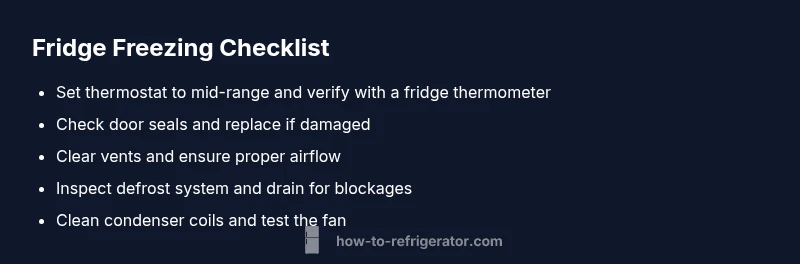
- Set thermostat to mid-range and confirm temperature with a thermometer.
- Inspect doors and seals to prevent cold air leaks.
- Ensure vents are unblocked for proper airflow.
- Clean condenser coils and verify the defrost system to prevent frost buildup.
- Call a professional if the problem persists after basic fixes.