Why Is Refrigerator Not Cooling But Freezer Works? A Home Troubleshooting Guide
Learn why your refrigerator isn’t cooling while the freezer stays cold, with a practical diagnostic flow, step-by-step fixes, safety tips, and prevention advice from How To Refrigerator.


Most likely, airflow to the fridge is blocked (often by a frozen evaporator or a stuck damper). Start by locating the freezer evaporator and listening for the fan, then check the fridge damper control to ensure cold air can enter. If airflow is limited, thaw the coil, clear ice, and confirm the damper moves freely. Reset controls and monitor for 24 hours.
Understanding the Symptom: Not Cooling but Freezer Works
Not cooling in the refrigerator compartment while the freezer remains cold is a common headache for homeowners. The cooling system relies on air moving from the freezer to the fridge through a damper and via an evaporator fan. When airflow is restricted—often due to ice buildup on the evaporator coil or a damper that isn’t opening—the fridge can miss the cold air it needs even though the freezer stays cold. According to How To Refrigerator, many of these scenarios start with airflow problems rather than a failed compressor. Recognizing this pattern helps you avoid unnecessary parts replacements and focuses your troubleshooting on airflow first. As you investigate, remember that temperature settings, door seals, and frost drainage can also influence performance. By understanding the airflow pathway, you’ll know where to look and what to test first, saving time and avoiding risky guesswork while keeping safety at the forefront. In 2026, homeowners frequently encounter this issue when seasonal usage peaks increase ice formation in the evaporator area. A methodical approach keeps you in control and reduces guesswork.
Why Ice Buildup Affects Cooling More Than Freezer Performance
Ice buildup on the evaporator coil is a frequent culprit when the fridge won’t cool but the freezer does. The defrost cycle is designed to melt frost and keep the coil clear; if it fails, ice accumulates and blocks the air passage that feeds the fridge. When the damper isn’t allowing cold air to enter or the evaporator fan isn’t circulating air, the fridge section lingers above its set point even as the freezer stays cold. This scenario often masquerades as a thermostat or sensor problem, but the root cause is airflow disruption. The fix is rarely glamorous, but it’s effective: thawing the ice, confirming the damper moves freely, and ensuring the evaporator fan is functioning. Regular maintenance—such as keeping the freezer clean of ice and ensuring proper door seals—helps prevent recurring ice buildup. The How To Refrigerator team emphasizes that consistent airflow is the backbone of even cooling across compartments, especially in mid- to late-life units.
Quick At-Home Checks (Safety-First)
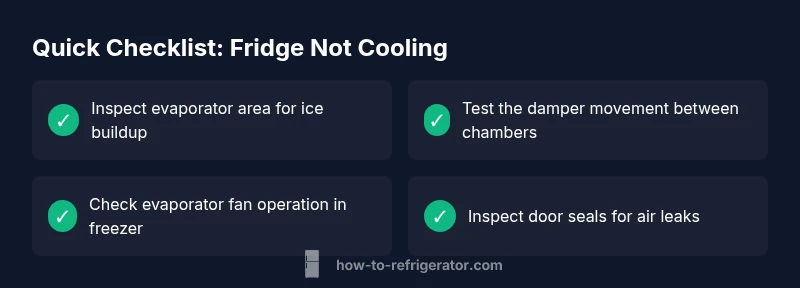
Before you dive into more involved diagnostics, perform these safe, simple checks. Start with the easiest tests: unplug the unit, locate the evaporator coil area inside the freezer, and check for visible ice buildup. Listen for the evaporator fan in the freezer when doors are closed and the freezer is on; a silent or noisy fan can indicate a problem. Inspect the damper control between the freezer and fridge to ensure it moves freely and isn’t obstructed by ice or debris. Check the door seals on both compartments to prevent warm air from sneaking in and altering cooling dynamics. Finally, dust the condenser coils (usually on the back or bottom) to improve heat dissipation. If any of these checks reveal an obvious issue, address it safely and re-test. If not, you’ve narrowed the scope to specific components that may require deeper inspection or replacement by a professional. Safety reminders: always unplug before touching electrical components, and never force a damper or fan mechanism beyond its natural range.
Diagnosing Components: Damper, Thermostat, Evaporator Fan
A fridge that won’t cool but a functioning freezer often points to the damper, thermostat, or evaporator fan. The damper controls how much cold air enters the fridge; if it’s stuck or the linkage is damaged, the fridge never receives adequate cooling. The thermostat or temperature sensor regulates compressor activity; a faulty sensor can misread the fridge temperature and prevent cooling. The evaporator fan circulates air from the evaporator coil to the fridge compartment; if it’s weak or dead, cold air stops reaching the refrigerator. To diagnose, listen for the evaporator fan on freezer defrost cycles, check the damper for smooth operation, and verify thermostat readings with a multimeter or a replacement check. If you identify a defective component, replacement is often necessary. If you’re unsure, consult a professional to avoid refrigerant exposure or electrical hazards.
Safety Practices and When to Call a Pro
This kind of repair can involve electrical components and, in some cases, refrigerant work. If you observe frost-free anomalies, buzzing noises from the compressor, refrigerant leaks, or if the unit is older and multiple troubleshooting steps fail, professional service is advised. For safety, unplug the unit before inspecting any internal parts, avoid melting ice with sharp tools, and never operate a visibly damaged unit. Regular maintenance—cleaning coils, checking door seals, and monitoring defrost cycles—helps prevent this scenario. If you decide to proceed on your own, stick to non-invasive checks first and escalate to professional help when you encounter unfamiliar wiring, suspected refrigerant issues, or compressor concerns.
Steps
Estimated time: 60-90 minutes
- 1
Confirm the symptom
Record that the fridge compartment isn’t cooling while the freezer remains cold. Listen for the evaporator fan in the freezer and observe airflow at fridge vents when doors are closed. This confirms the scope of the issue before you begin disassembly.
Tip: Document what you observe with photos to aid any professional repairs. - 2
Unplug and locate the evaporator area
Unplug the unit for safety. Open the freezer and locate the evaporator cover or panel. Remove any visible ice with a plastic tool if present, being careful not to damage the coils or wiring.
Tip: Work on a towel or tray to catch melted ice runoff. - 3
Check evaporator fan operation
With the unit still defrosted, plug back in and listen for the evaporator fan in the freezer. If the fan is quiet or doesn’t start when the freezer runs, the fan is likely faulty and must be replaced.
Tip: Fan replacement is simpler on models with accessible panels; consult your model’s service manual. - 4
Test the damper mechanism
Locate the damper between the freezer and fridge. Manually move the damper and feel for resistance or obstruction. If it sticks or doesn’t fully open, it may be misaligned or blocked.
Tip: Do not force the damper beyond its normal travel range. - 5
Inspect the thermostat and sensor
Check thermostat settings and any sensor readings listed on the display (if applicable). If readings don’t align with the observed temperatures, consider the sensor faulty and replaceable.
Tip: Only test with manufacturer-recommended tools or a professional meter. - 6
Run through defrost cycle
If your unit has a defrost function, manually initiate a defrost cycle or wait for the automatic cycle. Check for ice reaccumulation after thawing and ensure the cycle completes normally.
Tip: Continuous frost indicates a defrost heater issue and needs professional attention. - 7
Clean and reassemble
Clear any debris from the coils and ensure proper airflow paths are unobstructed once you reassemble the panels. Plug in the unit and monitor for 24–48 hours.
Tip: Keep coils clean to maintain efficient cooling and prevent future icing. - 8
Monitor performance
After reassembly, observe both compartments for cooling consistency. If the fridge still fails to reach set temperature while the freezer remains cold, escalate to professional service.
Tip: Record temperatures and symptoms to share with the technician. - 9
Safety check and escalation
If you detect refrigerant smells, hissing sounds, or exposed wiring, unplug immediately and contact a pro. Refrigerant handling and compressor work require licensed technicians.
Tip: Never attempt refrigerant recovery yourself.
Diagnosis: Fridge not cooling while freezer operates normally
Possible Causes
- highBlocked airflow due to ice buildup on evaporator coil
- mediumDamper between freezer and fridge not opening/freezing shut
- mediumEvaporator fan not running or weak
- lowThermostat or temperature sensor failure
- lowDefrost system malfunction
Fixes
- easyThaw evaporator ice and test damper movement; ensure air can flow to the fridge
- mediumInspect and replace the damper mechanism if obstructed or sluggish
- mediumTest evaporator fan operation; replace if silent or erratic
- hardCheck thermostat/sensor; replace if readings are unreliable
- hardIf defrost timer or heater is faulty, call a professional
FAQ
Why is my refrigerator not cooling but the freezer works?
This usually indicates airflow problems, ice buildup, or a faulty damper rather than a compressor issue. Start with the airflow path, check the damper, and listen for the evaporator fan. If the issue persists, investigate the thermostat and defrost system.
Most likely airflow or damper problems. Check the damper and evaporator fan, thaw ice, then re-test the airflow to the fridge.
Can I fix this myself?
Yes for basic checks like thawing ice, testing the damper, and cleaning coils. Avoid handling refrigerant or high-voltage components unless you are trained. If you’re unsure, seek professional help.
You can handle simple checks, but avoid refrigerant work if you’re not trained.
What should I check first when the fridge isn’t cooling?
First inspect the door seals, then verify airflow by feeling vents in the fridge. If you detect ice buildup, thaw it and recheck the damper and evaporator fan.
Check the seals and airflow first, then look for ice and test the fan.
Is it safe to clean condenser coils while plugged in?
No. Always unplug the unit before cleaning coils or handling back panels. Cleaning should be done with the appliance unplugged to avoid electrical hazards.
Unplug first, then clean the coils.
When should I call a repair service?
If you detect refrigerant signs, persistent ice buildup, unusual noises from the compressor, or no improvement after checks, professional service is advised.
Call a pro if you hear unusual noises or still have cooling issues after checks.
Watch Video
Top Takeaways
- Ensure airflow to the fridge is unobstructed
- Thaw ice and test the damper if airflow is blocked
- Test the evaporator fan for proper operation
- Call a pro for refrigerant, compressor, or persistent defrost issues