Where Is Refrigerator Drip Pan: Location, Access & Maintenance
Find the exact drip pan location, learn safe access steps, and clean or replace it to prevent leaks and odors. How To Refrigerator provides a homeowner-friendly guide with practical, step-by-step instructions.


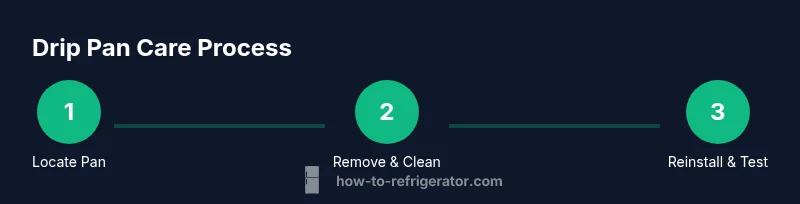
Goal: locate your refrigerator drip pan, inspect it for clogs or leaks, and clean or replace it if needed. Start by unplugging the unit, removing the toe-kick panel or rear access cover, and pulling out the pan. You’ll need a flashlight, towels, mild cleaner, a sponge, and basic hand tools. Follow these steps to prevent water damage and odors.
What is the refrigerator drip pan and why it matters
The drip pan, sometimes called a condensate pan, is a shallow tray located under or behind your refrigerator. It collects water that drips from the defrost cycle or from condensation produced by cooling coils. When the pan overfills or becomes clogged, you may notice water pooling on the floor, musty odors, or a damp kick plate. The How To Refrigerator team emphasizes that a well-maintained drip pan helps prevent leaks and reduces humidity around the base of the unit. Regular checks catch problems before they lead to costly water damage, mold growth, or unwanted repairs. In some models, the drip pan also houses parts of the defrost drain and guides liquid to a safe disposal area. If your fridge is in a basement, kitchen, or garage, the pan’s position can vary, but the underlying purpose remains identical: manage condensate efficiently and keep the appliance operating safely.
According to How To Refrigerator, the drip pan is a quiet guardian of your fridge’s interior environment. By catching condensate before it hits the floor, it helps protect floors and prevents odor buildup that can spread through the kitchen. This means a quick once-over every few months can save you from bigger headaches later.
Common drip pan locations and types
Drip pans are designed to be tucked away where gravity can do the work. In most top- or bottom-freezer models, you’ll find the pan behind a small toe-kick grille at the front bottom of the unit, accessible after removing that grille. In other models, the pan sits underneath the refrigerator, held in a shallow tray behind the rear access panel or against the back wall near the compressor. Some newer or compact models integrate the pan into the rear panel, making access possible only after detaching a decorative cover. Regardless of the design, the pan’s job stays the same: collect condensate from defrost cycles and prevent it from spilling onto floors. If you’re unsure about your model, consult the manual or the manufacturer’s website for the exact location. How To Refrigerator analysis shows that even among similar models, the pan’s exact location can vary, so a quick model-specific check helps avoid unnecessary disassembly.
How to locate the drip pan safely: plan and prepare
Begin with a plan: unplug the fridge to minimize shock risk, gather towels, a flashlight, and a shallow tray, then move the unit slightly to access the bottom area. If you have a shallow toe-kick grille, you’ll remove it with a screwdriver; if your model uses a rear access panel, you’ll depress the latch or remove a small cover plate. A careful approach prevents nicks on the cabinet and keeps refrigerant tubing intact. Keep a smartphone handy to reference your model’s diagram from the manual if you get stuck. In most cases, you’ll locate the pan once you reveal the bottom tray or panel behind the kick plate, ready for removal or cleaning.
Accessing the drip pan: removal steps you can follow
With the unit unplugged and the area clear, locate the pan’s edges and gently slide it out from its housing. Some pans sit on small glides or rails; others rest directly in a recessed cavity. When you remove the pan, place it on a towel to catch any residual liquid. If the pan is wedged or difficult to lift, inspect for screws or clips along the frame that may need to be released first. After removing the pan, inspect the defrost drain outlet for blockages and detach any hoses or fittings only if you’re comfortable doing so. Reinstall in the reverse order after you finish cleaning. How To Refrigerator recommends taking photos during disassembly to aid reassembly.
Cleaning and sanitizing the drip pan: best practices
Rinse the pan with warm water and a mild dish soap solution, using a sponge to scrub away residue. For persistent buildup, soak the pan for a few minutes and scrub again. Rinse completely and air-dry before reinstalling. If you notice signs of wear—cracks, warping, or discoloration—consider replacing the pan with an OEM-compatible model. After reinstallation, wipe down the area to remove any moisture and ensure the kick plate or rear panel sits snugly. Regular sanitizing helps prevent odors and keeps the defrost drain flowing freely. For maintenance, plan a quick wipe-down every 2–4 months and a full pan inspection twice a year.
Replacing a damaged drip pan: when and how to do it
If the pan shows cracks, chips, or visible corrosion, replacement is the safest option. A damaged pan can leak and defeat the purpose of this component. Use the model number on the fridge’s data plate to order the correct replacement from the manufacturer or an authorized parts distributor. Do not force fit a pan from a different model—the mounting points and pan size must match. After installing the new pan, run a quick check by pouring a small amount of water into the defrost drain to confirm it flows into the pan and does not back up.
Maintenance schedule and best practices
Create a simple maintenance routine that fits your household: quick pan checks every 2–3 months, a full cleaning every 6 months, and an annual replacement review if your unit is older than 10 years. Keep a small calendar reminder and log the date of each check. Use a soft cloth to wipe edges and seals around the pan area to keep everything moisture-free. If you notice increased condensation or frequent overflows, the issue may be beyond the pan and involve the defrost drain or seals, in which case seek professional help.
Safety considerations when working on a fridge
Always unplug the appliance before starting any work around the drip pan. Use a flashlight to avoid pinching fingers in tight spaces and wear insulated gloves if you’ll be handling metal edges. Avoid using abrasive cleaners that could scratch plastic pans or coatings. Do not tilt the fridge more than a few degrees to reach the pan, as this could cause refrigerant or compressor issues. If you’re unsure about any step, consult the user manual or a qualified technician. How To Refrigerator emphasizes following model-specific guidance to avoid voiding warranties or causing damage.
Quick-reference care checklist
- Locate the drip pan location in your model’s manual
- Unplug the fridge before handling
- Remove the toe-kick or rear panel as needed
- Clean and dry the pan thoroughly
- Reinstall and test drainage with a small amount of water
- Inspect seals and surrounding components for leaks
- Schedule semi-annual quick checks and annual full cleanings
Tools & Materials
- Insulated gloves(Protect hands from sharp edges and water exposure)
- Flathead and Phillips screwdriver(For toe-kick or rear panel screws)
- Flashlight(Improve visibility under/behind fridge)
- Towels or absorbent cloths(Catches spills and dries the pan)
- Bucket or shallow tray(Contains water during removal)
- Mild dish soap or non-abrasive cleaner(Gentle on plastic and metal surfaces)
- Sponge or soft brush(Scrubs residue without scratching)
- Replacement drip pan (OEM or compatible)(Keep on hand for older units or damaged pans)
Steps
Estimated time: 25-40 minutes
- 1
Power off and prep
Unplug the refrigerator or switch off the circuit at the breaker. Move obstacles and clear the floor. Set a towel to catch any stray liquid. This initial step reduces the risk of electrical shock and keeps your workspace clean.
Tip: Take a quick photo of the panel layout before you start to aid reassembly. - 2
Access the drip pan area
Determine whether your model uses a toe-kick grille or a rear panel. Remove the grille or panel as needed using the appropriate screwdriver. Keep track of screws so you don’t lose them during reassembly.
Tip: Work slowly; tiny screws can fall and roll under the fridge. - 3
Locate and remove the pan
Gently slide or lift the pan out of its housing. If it’s held by rails, slide along the rails rather than forcing it straight out. Place the pan on a towel and prepare for cleaning.
Tip: If the pan sticks, do not pry forcefully—check for clips or rails you may have missed. - 4
Clean and dry the pan
Wash with warm water and mild soap. Rinse thoroughly and dry completely with a clean cloth or allow to air-dry. Sanitize if needed and ensure there is no moisture before reinstalling.
Tip: Avoid harsh chemicals that could degrade plastic pans. - 5
Inspect the drain area
Look at the defrost drain outlet and nearby tubing for clogs or damage. Clear any blockages with a pipe cleaner or a gentle flush if suggested by the manufacturer and ensure drainage path remains unobstructed.
Tip: Only detach hoses if you’re confident; improper reassembly can cause leaks. - 6
Reinstall the pan
Place the pan back into its recess or rails and reattach any panels or grilles. Ensure the pan sits flat and fully seated to avoid tipping.
Tip: Screw torque should be snug but not over-tightened to avoid striping. - 7
Test the setup
Plug the fridge back in and run a defrost cycle or wait for normal condensation. Check that water flows into the pan properly and that there are no new leaks around the base.
Tip: Watch for a few minutes after powering on to confirm stability.
FAQ
Where is the drip pan located in most refrigerators?
Most drip pans sit under the fridge, behind the toe-kick grille, or at the back panel near the compressor. Location varies by model, so check the manual for specifics.
Most drip pans are under the fridge or behind a rear panel. Check your model’s manual for the exact spot.
Do I need to unplug the fridge to access the drip pan?
Yes. Always unplug or switch off the circuit breaker before removing any parts to prevent electric shock.
Yes—unplug the fridge or switch off the circuit breaker before you start.
Can I clean the drip pan without removing it?
You can wipe the exterior and accessible areas, but a thorough cleaning usually requires removing the pan. Reinstall it properly to avoid leaks.
You can wipe the accessible parts, but for a deep clean you’ll need to remove it.
What if the drip pan is cracked?
A cracked pan should be replaced with an OEM or compatible part to prevent leaks. Do not tape or attempt makeshift repairs.
If the pan is cracked, replace it with the correct part.
How often should I clean the drip pan?
Plan a light wipe-down every 2–4 months and a thorough cleaning every 6 months. Increase frequency if you notice odors or leaks.
Every few months, with a deeper clean twice a year.
Is the drip pan connected to the defrost drain?
In many models, yes. The pan collects condensate from the defrost drain; ensure the drain path is clear to prevent backflow.
Yes, it often collects condensate from the defrost drain.
Watch Video
Top Takeaways
- Locate the drip pan using model guidelines and manual.
- Unplug before handling and use proper tools.
- Clean and dry the pan thoroughly after removal.
- Replace damaged pans to prevent leaks and odors.