How to Remove Water from Refrigerator Drain Pan: A Homeowner's Guide
Learn how to safely remove water from your refrigerator drain pan, clean the pan, inspect the defrost drain, and prevent future buildup with step-by-step instructions and practical tips from How To Refrigerator.


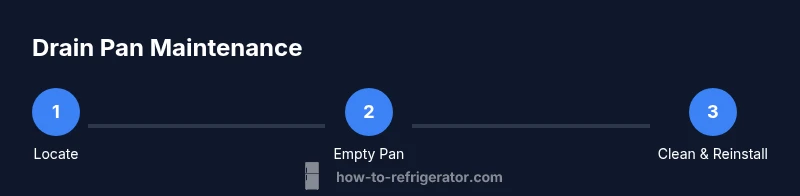
Goal: Remove standing water from your refrigerator drain pan to prevent odors and mold. This guide shows a safe, step-by-step method to locate the drain pan, drain the water, clean the pan, and reinstall it. You’ll learn how to handle defrost drain blockages and prevent future buildup. According to How To Refrigerator, a simple maintenance routine saves energy and extends appliance life.
Why water collects in the drain pan and what it means
Water in the drain pan is not inherently dangerous, but it signals that your fridge's defrost drain is carrying meltwater somewhere it shouldn't. Most modern refrigerators rely on a small evaporator to melt frost; that water normally flows through a drain tube into a shallow pan near the motor compartment. If the pan fills with standing water, you may have a partial clog, a misaligned pan, or a cracked drain basin. The result is not only a potential odor or mold risk but also a hint that the defrost cycle isn't draining as intended. The How To Refrigerator team notes that addressing this issue promptly protects your appliance's efficiency and avoids more costly repairs. When you learn how to remove water from refrigerator drain pan effectively, you also learn how to prevent odors and ensure the evaporator does its job. This section helps you diagnose typical failure modes and confirm you’re working with the right pan location before you start any disassembly.
Safety considerations before you start
Safety comes first. Unplug the refrigerator to eliminate the risk of electrical shock while you work around water. Clear the floor to prevent slips and have towels ready for spills. Wear protective gloves to keep your hands clean and use a plastic pry tool rather than metal tools to avoid damaging plastic trim or exposed tubing. If your model requires removing the toe-kick panel or an interior access cover, follow the manufacturer’s instructions. If you’re unsure about access panels, consult your fridge’s manual or seek guidance from a professional. How To Refrigerator emphasizes that a careful prep phase reduces the chance of accidental damage and speeds up the repair process.
Understanding your fridge's drain system
Most frost-free refrigerators route condensate through a defrost drain into a pan located either behind a toe-kick panel or at the bottom rear of the cabinet. The pan sits beneath the evaporator coil and is designed to collect water during defrosts. Blockages in the drain line or a misaligned pan can cause pooling. Recognize common failure modes: a clogged defrost drain, a pan that has shifted, or a cracked drain pan. Understanding these parts helps you troubleshoot efficiently and apply the correct fix when asking yourself how to remove water from refrigerator drain pan. The How To Refrigerator team recommends checking for mineral deposits, ice crystals, or slime that can constrict flow, especially in humid environments.
Locating the drain pan and access points
Access varies by model. In many units, the drain pan sits under the refrigerator, accessible by removing the toe-kick or a rear access panel. Look for a small drain tube running from the evaporator area toward the pan. If you can gently tug at the tube and see water emerge into the pan, you’re in the right spot. Snap-on covers may hide the pan; use a plastic tool to ease them off if needed. Do not force panels off, as this can damage seals or wiring. For safety, verify your model’s schematic in the user manual before continuing.
Removing standing water safely
Start by placing towels and a bucket under the pan area to catch the water. Use a cup or small scoop to transfer water into the bucket, then use a sponge to soak up residual moisture. Avoid rushing; take your time to prevent splashing onto nearby electrical components. If the drain line is blocked, do not use excessive force; instead, prepare to flush slowly with warm water. This is a good moment to observe how much water drains into the pan and whether additional water appears during defrost cycles.
Cleaning, drying, and inspecting the pan and drain line
Rinse the pan with warm water and mild soap or a diluted vinegar solution to break down mineral buildup. Scrub gently with a soft brush, then rinse and dry thoroughly. Inspect the drain tube for kinks or cracks and check connections at the pan inlet. Replace a damaged pan or cracked tubing; leaking components can create recurring water issues. After cleaning, ensure the entire path is dry before reassembly to prevent mold growth. How To Refrigerator recommends performing a quick odor check after drying to confirm proper drainage.
Reassembling, testing, and preventing future buildup
Reinstall the pan and any panels you removed, then restore power. Run a short defrost cycle or wait for the next cycle to observe whether condensate properly drains into the pan and evaporates. If you notice water pooling again, recheck for pan misalignment, tube blockages, or frost buildup at the evaporator. To reduce future problems, perform periodic checks, keep the drain area clear of debris, and consider a simple annual cleaning as part of fridge maintenance. The goal is to maintain a dry, odor-free interior and an efficient defrost system.
Common mistakes to avoid
Avoid using abrasive cleaners that can scratch plastics or damage gaskets. Do not yank wires or coils; never seal a drain with tape or glue. Don’t ignore warning signs like persistent pooling after a drain flush—these can indicate deeper issues. Finally, don’t skip safety steps like unplugging the unit or wearing gloves when handling cold water and exposed components.
When to call a pro
If you encounter a cracked drain pan, persistent leaks, refrigerant smells, or you cannot locate the drain path safely, contact a licensed technician. A professional can verify whether the defrost system is functioning correctly and diagnose hidden issues, such as a failing evaporator fan or refrigerant line concerns. The How To Refrigerator team recommends seeking help when measurements, tools, or model-specific steps fall outside your comfort zone.
Tools & Materials
- flashlight(Bright LED preferred for dark cabinets/back areas)
- absorbent towels or rags(Have several on hand for spills)
- bucket or shallow tray(To collect drained water during cleaning)
- cup, scoop, or small pitcher(For controlled transfer of water between pan and bucket)
- sponge(For wiping and drying surfaces)
- plastic pry tool(Gently lift panels without damage)
- screwdriver set (Phillips/flathead)(Model-specific panels may require screws)
- adjustable wrench(For any fittings or tubes secured with nuts)
- mild soap or vinegar solution(Gentle cleaner to avoid damage)
- protective gloves(Keeps hands clean and dry)
Steps
Estimated time: 30-60 minutes
- 1
Power down and prepare the area
Unplug the refrigerator and move it slightly away from the wall to access the bottom front or rear panel. Clear the area and lay down towels to catch any spills. This first step prevents accidents and makes the rest of the process safer and cleaner.
Tip: Have your camera or notebook ready to document panel positions for easier reassembly. - 2
Access the drain path
Remove the toe-kick panel or rear access cover as your model requires. Locate the drain pan and the defrost drain tube that leads to it. If unsure, consult the owner's manual to avoid damaging seals or electrical components.
Tip: Use a plastic pry tool to avoid scratching surfaces. - 3
Empty the standing water
Carefully scoop or pour water from the pan into a bucket. Use towels to absorb any remaining moisture around the area, then set the water aside. This reduces slip risk during cleaning and inspection.
Tip: Work slowly to prevent splashing toward electrical components. - 4
Inspect and clear the drain
Check the defrost drain for blockages. If you see mineral buildup or slime, flush with warm water or a mild cleaning solution. Do not use harsh chemicals that could damage plastics or tubing.
Tip: Flush slowly to avoid creating a splashing hazard. - 5
Clean and dry the pan and tube
Wash the pan with warm soapy water, rinse well, and dry completely. Inspect the drain tube for kinks or cracks. If you find damage, replace the affected parts before reassembly.
Tip: Drying fully prevents mold growth after reassembly. - 6
Reassemble and restore power
Reinstall any panels, plug the fridge back in, and push it back into place. Run a short defrost cycle or wait for normal operation and observe the drainage for one cycle.
Tip: If you see pooling again, re-check pan alignment and drain tube seating. - 7
Verify proper drainage and prevent mold
Monitor for odors or moisture buildup over the next few days. Keep the area clean and consider a monthly quick check as part of routine maintenance.
Tip: Set a reminder to check the drain area periodically.
FAQ
What causes water to accumulate in the drain pan?
Water accumulation usually points to a clogged defrost drain, a misaligned or cracked drain pan, or mineral buildup in the drain line. Identifying the source helps you apply the correct fix and reduce future blockages.
Water in the drain pan is typically caused by a clogged defrost drain or a misaligned pan; diagnosing the source makes fixing easier.
Can I use any cleaning solution in the drain pan?
Use a mild soap or a diluted vinegar solution. Harsh cleaners can damage plastics and corrode tubing. Rinse well and dry completely before reassembly.
Stick to mild cleaners like soap or diluted vinegar to protect plastics and tubing.
Is it safe to flush the defrost drain with hot water?
Flushing with hot water is not always recommended; use warm water to avoid cracking or warping plastic parts. If you suspect a stubborn clog, use a mild cleaner and flush gradually.
Use warm, not hot, water to flush the drain and avoid heat damage.
How often should I inspect the drain pan?
Inspect during every major cleaning cycle or every few months, especially in humid environments or if your fridge runs loudly or smells odd. Regular checks help catch issues early.
Check the drain pan every few months to catch clogs early.
What signs indicate a cracked drain pan?
Look for visible cracks, wet spots around the base, and persistent leaks beyond normal defrost cycles. A cracked pan should be replaced.
Visible cracks or repeated leaks mean you likely need a new pan.
When should I call a professional?
If you see refrigerant smells, frost around the evaporator, persistent leaks, or you can't locate the drain path safely, seek professional help. A pro can diagnose deeper issues beyond simple pan cleaning.
Call a pro if you notice refrigerant smells or if you can't safely access the drain.
Watch Video
Top Takeaways
- Unplug before starting to prevent shocks
- Identify the drain path to target the issue
- Clean and dry the drain pan to prevent odors
- Test the defrost cycle to confirm proper drainage
- Schedule regular checks to avoid future clogs