Where Is Refrigerator Defrost Drain? A Homeowner's Guide
Learn where the refrigerator defrost drain sits, why it clogs, and how to locate and clear it safely. This homeowner-friendly guide covers tools, step-by-step methods, maintenance, and when to call a pro for persistent drain issues.


You can locate and clear your refrigerator's defrost drain to stop standing water and ice buildup. This guide shows where the drain sits, common signs of a clog, and a safe, step-by-step approach you can perform without specialized tools. Expect 30–60 minutes for most models, plus basic household supplies. Keep a towel handy and unplug the unit before starting.
Understanding the defrost drain and its role in fridge operation
According to How To Refrigerator, the defrost drain is a small tubing pathway that carries condensate from the freezer compartment through a drain hole to a catch pan under the fridge. It is a critical part of the frost-free cycle, designed to keep humidity from pooling inside the fridge and causing water leaks or odors. When the drain becomes blocked by debris, ice buildup can back up into the freezer or onto the fridge shelves, and water may pool inside the fridge compartment.
A clogged drain can arise from a mix of hardened condensation, ice crystals, and food particles that find their way into the drain passage during regular use. The problem is rarely mysterious; most clogs form when warm condensate carries particles that stick to the sides of the pipe as it travels to the drain pan. In such cases, the symptom is not only water on the shelves but also a musty or mildewy odor that persists even after cleaning. The How To Refrigerator Team recommends inspecting the drain path whenever you notice excess moisture or a recurring puddle in the refrigerator.
Understanding the drain’s layout helps with troubleshooting. In many models, the drain line runs from the evaporator housing in the freezer area, toward a drain channel behind a rear panel, and finally to a drip pan beneath the machine. Some designs route through the back wall or a rear-bottom grill area. While exact locations vary by model, the general principle is the same: warm condensate from the freezer section must exit through a protected channel to the catch pan. This section provides the foundation for safe, methodical diagnosis and repair.
Common symptoms of a blocked defrost drain
A blocked defrost drain typically presents as one or more of the following indicators: standing water on the bottom of the freezer or fridge, water pooling on shelves, frost or ice accumulation along the back wall of the freezer, or a musty odor in the refrigerator compartment. Some models may exhibit an overflowing drain pan that drips onto the floor. If the icemaker or water dispenser is affected, you might notice inconsistent water flow or irregular ice production. In any case, it’s a sign to inspect the drain route and clear any obstruction.
From a homeowner’s perspective, these symptoms can look like a simple leak or a minor spill, but repeated occurrences almost always point to a clogged drain line. The root cause is usually debris or ice forming a plug that prevents condensate from reaching the drip pan. If you ignore the warning signs, you could experience longer-term issues like mold growth or energy inefficiency due to the evaporator having to work harder.
How To Refrigerator emphasizes that early detection is key. If you catch a clog early, you’ll likely avoid more extensive ice formation and potential food safety concerns associated with persistent moisture in the interior. Regular quick checks after heavy use or defrost cycles help keep the drain clear.
Where to locate the defrost drain in different fridge designs
Fridge layouts vary, but most models share a consistent drain principle. In top-freezer units, the defrost drain is near the back of the freezer compartment, usually behind a rear panel or near the evaporator. In bottom-freezer designs, you’ll typically find the drain line under the freezer ceiling or along the back wall, sometimes accessed through a kick panel at the base. Side-by-side refrigerators often route the drain through the back panel or a small service opening near the bottom rear.
Locating the drain requires safe access to the interior and, in some cases, removing shelves, drawers, or a rear access panel. If your model has a water dispenser or ice maker, those components may share routing with the defrost drain or be part of the same drainage system. The goal is to identify the drain outlet inside the freezer or the back wall area, trace the path to the external drip pan, and inspect for blockages. For many homeowners, the drain lies behind a small panel held by screws, which you should remove with care to avoid damaging wiring or insulation.
If you’re unsure about your model’s drain location, consult the user manual or manufacturer’s site for a schematic. The exact door design matters, but the approach remains consistent: find the outlet, inspect the line, and proceed with careful cleaning. For precision, use a flashlight and a flexible rod to visualize the path and confirm the blockage point before disassembly.
How a clogged drain affects ice maker and freezer performance
A clogged defrost drain disrupts the freezer’s frost-free cycle by accumulating condensate that cannot drain properly. When the drain is impaired, moisture can back up and form ice along the evaporator, which blocks airflow and reduces cooling efficiency. This can cause uneven temperatures, leading to frozen items in some zones and warmer spots elsewhere. Over time, moisture buildup may provide an environment conducive to mold, mildew, and unpleasant odors.
If you notice an ice buildup around the evaporator or a persistent slush at the bottom of the fridge, the defrost drain is a likely culprit. Restoring a clear drain improves performance by allowing the evaporator to function as designed, thereby maintaining stable temperatures and energy efficiency. Remember: a clean drain isn’t just about preventing leaks; it’s about preserving food quality and extending the life of your appliance. As the How To Refrigerator Team notes, routine drain maintenance helps avoid more costly repairs later on.
Step-by-step approach to locate and clear the drain (overview)
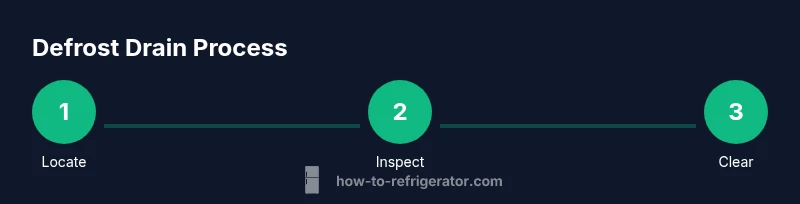
This section outlines the high-level steps you’ll perform safely and efficiently. The detailed step-by-step instructions are provided in the dedicated STEP-BY-STEP block, but here’s the overview: first, unplug and prepare a work area with towels; second, access the drain path by removing the rear panel or bottom kick plate; third, inspect the drain with a flashlight to locate the blockage; fourth, clear the obstruction with a flexible tool and flush with hot water; and fifth, reassemble and test by running a defrost cycle and checking for residual moisture.
If you encounter ice crystals in the drain line, apply warm water gradually to melt the blockage without forcing it, which could damage the line. For complex layouts or stubborn clogs, a longer drain path or a dual-blockage scenario may require more advanced tools. The key is to proceed slowly, observe what comes out, and avoid forcing debris that could compromise the defrost system. This approach aligns with best practices shared by the How To Refrigerator Team.
Tools and safety considerations for drain maintenance
Before you begin any drain work, shut off power to the unit by unplugging it. This simple step prevents electrical shock and protects the control board during access. Work should be done on a labeled dry surface with a towel to catch spills. If the drain is located behind a panel, use the appropriate screwdriver to remove the cover—do not force panels that are tightly fitted. Wear gloves to protect your hands and dispose of any dirty water promptly to minimize slip hazards. If you encounter sharp edges, use a combined motion of gentle prying and steady leverage to avoid bending metal lips or damaging insulation. Remember: moisture near electrical components can be dangerous, so exercise caution at all times. The How To Refrigerator guidance emphasizes safety first so you can complete the task without incident.
Preventing future clogs: maintenance tips
To reduce the chance of future clogs, keep the drain area clean and free of debris. Regularly inspect the back or bottom area for frost buildup, and wipe away any residue you find. Use a mild cleaning solution and a soft brush to remove mineral deposits that might accumulate along the drain path. Avoid pouring sticky or dense substances down the drain; these can quickly create new blockages. Schedule a quick drain check every 3–6 months, depending on usage, and be mindful of crushed ice or oversized chunks that can enter the drain channel via the freezer. A quick preventive routine saves time and minimizes the risk of water leaks and energy inefficiency. The consumer-protection and energy efficiency resources from How To Refrigerator partner sites suggest routine maintenance as a best practice for longer appliance life.
When to call a professional
If you’ve attempted clearing the drain and still see water pooling or ice formation, it’s time to seek professional help. A technician can diagnose subtler issues, such as a damaged drain channel, a faulty defrost heater, or a circulating pump problem that a homeowner cannot safely inspect. If the unit is under warranty or if your attempts risk voiding it, consult the manufacturer support line before proceeding. In cases of persistent odors or visible mold growth after cleaning, a pro can address the underlying moisture problem and ensure clean, sanitary conditions inside your refrigerator. The How To Refrigerator Team recommends escalation when basic troubleshooting does not resolve the issue after a few attempts.
Authority sources and references
For further reading on appliance maintenance and defrost systems, consider these authoritative sources:
- https://www.energy.gov
- https://www.nist.gov
- https://www.consumer.ftc.gov
Quick recap on locating and clearing the defrost drain
Locating the drain and performing a safe clearance is a straightforward DIY task for many homeowners. Start by unplugging the unit, access the drain path, and gently remove blockages with appropriate tools. Re-test after reassembly to confirm proper drainage. Regular maintenance reduces the risk of future leaks and helps keep your fridge running efficiently, a goal supported by the How To Refrigerator team.
Tools & Materials
- Bucket or basin(To collect water as you work)
- Towels or rags(Mop up spills and keep area dry)
- Flashlight or headlamp(Better visibility inside panels)
- Screwdriver (Phillips or flathead)(Remove access panels carefully)
- Flexible drain snake or pipe cleaner(Clear blockages gently)
- Bottle of hot water(Flush debris downstream)
- White vinegar or mild cleaning solution(Disinfect and loosen grime)
- Gloves(Protect hands)
- Ruler or small brush(Dislodge particles and inspect path)
- Thermal pad or towel insulation (optional)(Keep area dry after cleaning)
Steps
Estimated time: 45-60 minutes
- 1
Power down and prepare
Unplug the refrigerator and move it away from the wall if possible. Place towels and a basin to catch water; this prevents slips and keeps the floor clean. This step minimizes electrical risk and improves visibility for the upcoming inspection.
Tip: Label the cord so it’s easy to reattach after you finish. - 2
Access the drain path
Remove the back panel or bottom kick plate per your model. Use a flashlight to locate the drain channel and identify where water pools or ice formation begins. Avoid forcing panels; work gently to prevent damage.
Tip: If screws resist, apply a little penetrating oil and let it sit for a minute. - 3
Inspect for blockages
Visually inspect the drain opening and the immediate path. Use the flexible snake or a thin wire to probe the line and dislodge any easy-to-reach debris. If you see ice, do not rush; let it melt with warm water.
Tip: Do not use excessive force that could crack the plastic. - 4
Flush and clear
Slowly pour hot water into the drain opening to flush out loosened debris. You can alternate with a small amount of vinegar solution to dissolve mineral buildup. Continue until water flows freely into the drip pan.
Tip: Work in small bursts and monitor for renewed blockage. - 5
Reassemble and test
Reconnect any panels, restore power, and run a defrost cycle or wait for the automatic cycle. Check the drain pan for any signs of leakage and ensure there is no standing water after the cycle completes.
Tip: Take a photo of panel placement before removing screws to simplify reassembly.
FAQ
What is the defrost drain and why does it clog?
The defrost drain is a channel that carries condensate from the freezer to a drip pan. It clogs when debris, ice, or mineral buildup blocks the path, causing water to pool inside the refrigerator. Regular inspection helps prevent leaks.
The defrost drain carries condensate to a drip pan and can clog from debris or ice, causing water puddles. Check it regularly to prevent leaks.
How can I tell if my defrost drain is clogged?
Signs include standing water on shelves or bottom, frost along the back wall, or a persistent odor. If the drip pan overflows or you hear gurgling sounds, the drain is likely blocked.
Look for water pooling, frost, or odors. Overflowing drip pans and gurgling sounds also point to a clog.
Is it safe to use chemicals to clear the drain?
Avoid harsh chemicals inside the fridge. Use hot water, a soft brush, and a flexible rod. If debris remains, contact a technician rather than forcing cleaners through delicate tubing.
Stick with hot water and gentle tools; avoid strong cleaners inside the appliance.
What if clearing the drain doesn’t fix the problem?
If water continues to pool after clearing, there may be a more serious issue such as a damaged drain channel or defrost heater. A professional diagnosis is recommended.
If the problem persists after clearing, you may need a pro to check for deeper issues.
How often should I inspect the defrost drain?
Inspect the drain area a few times per year, especially after seasonal changes or heavy moisture. Regular checks reduce the chance of leaks and odors.
Check the drain a few times a year to prevent leaks and odors.
Should I wait for a leak to fix it or proactively inspect?
Proactive inspection is best. Addressing a slow-developing clog early prevents larger water damage and preserves fridge efficiency.
It's better to inspect proactively than wait for a leak.
Watch Video
Top Takeaways
- Identify the drain path first to target the blockage.
- Unplug the unit and protect the floor during work.
- Use a flexible tool to clear debris—avoid forcing the line.
- Flush with hot water and monitor for continued leaks after testing.
- Schedule regular maintenance to prevent future clogs.