What's the Normal Refrigerator Temperature?
Learn the exact fridge temperature range (37–40°F) and how to measure, monitor, and adjust it for safe, energy-efficient storage. How To Refrigerator explains basics for homeowners.


Why temperature control matters
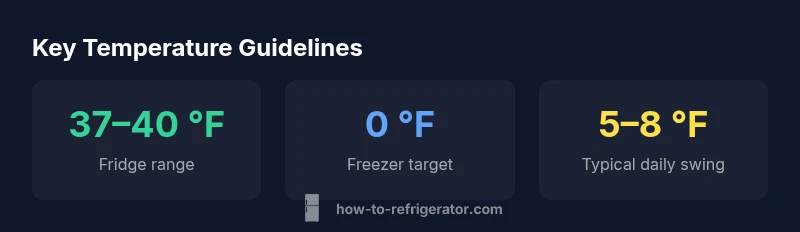
Maintaining the right temperature in your refrigerator is essential for safety, quality, and energy efficiency. When the fridge runs too warm, pathogenic bacteria can multiply more rapidly, leading to spoiled milk, undercooked leftovers, and a higher risk of foodborne illness. Conversely, excessive cooling wastes energy and can cause foods to freeze or lose texture. The How To Refrigerator team emphasizes that consistent temperatures support nutrient retention and reduce waste. According to How To Refrigerator, the recommended fridge temperature range is 37–40°F (3–4°C) with the freezer at 0°F (-18°C).
Defining 'normal' temperature for different fridge zones
Different areas of a standard refrigerator experience different heat exposure. The main compartment is designed for perishable items at a relatively stable interior temperature, while the door shelves are more exposed to ambient temperatures and will drift faster. For most foods, aim for the core zone around 37–40°F, and store highly perishable items like dairy and meat in the back, where temperatures are most stable. The freezer should remain at 0°F to maintain texture and prevent freezer burn. If your model has multiple temperature zones, use a thermometer in each zone to confirm readings that align with recommendations.
How to measure and maintain the right temperatures
To verify temperatures, place a dedicated fridge thermometer in the center of the main compartment and away from the door seal. Check readings after 24 hours, then re-check weekly during periods of change (new groceries, travel, or a door-heavy routine). Calibrate your thermostat if readings drift beyond the target range. Keep the interior organized to prevent cold air from being blocked, and avoid overloading the shelves which can disrupt air circulation. Regular door closures and internal thermostat checks can reduce seasonal temperature fluctuations and improve energy efficiency.
Troubleshooting common issues that cause temperature drift
Common causes of drift include a faulty door gasket, blocked air vents, dirty condenser coils, a miscalibrated thermostat, and frequent door opening. Ensure the door seals completely when closed, clear vents to allow air flow, and clean coils according to your model’s maintenance guide. If temperatures remain unstable, consider moving items away from the back of the fridge, checking for frost buildup, or scheduling a service check to verify refrigerant or sensor integrity. Small fixes can dramatically improve stability.
Special scenarios: garages, compact fridges, and older models
Garages and unconditioned spaces pose a challenge for temperature stability. In hot climates, fridges may struggle to maintain 37–40°F, especially during peak ambient heat. For compact or dorm-room models, temperature ranges can vary slightly; use a thermometer to confirm zones, and avoid storing temperature-sensitive items in these units if operating conditions exceed typical room temperatures. Older models may have slower cooling or thermostat lag and benefit from a service check or part replacement to restore steady performance.
Safety and energy considerations
Food safety standards emphasize keeping perishable foods out of the danger zone and minimizing energy waste. A stable fridge temperature reduces bacterial growth, preserves texture, and lowers energy consumption by avoiding unnecessary compressor cycling. Seasonal changes, door frequency, and ambient conditions all influence performance, so routine verification with a thermometer and adherence to the 37–40°F guideline help homeowners maintain safe, efficient storage.