What Is Average Refrigerator Temperature? A Homeowner’s Guide
Discover the ideal fridge temperature, safe ranges, and practical tips to measure and maintain it. Learn what is average refrigerator temperature and how to keep your food safe and energy-efficient.


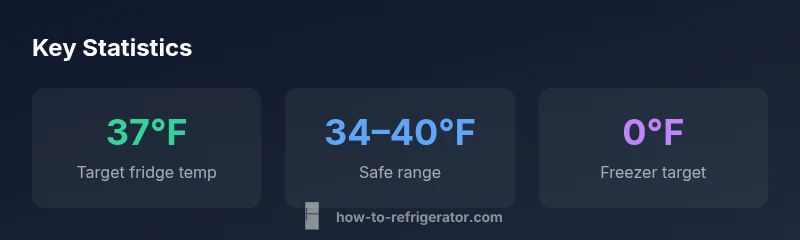
Typical refrigerator temperature sits around 37°F (3°C), with a safe operating range of 34–40°F (1–4°C). For best food safety and energy efficiency, keep a thermometer in the fridge and target a steady 37°F. The How To Refrigerator team notes that brief fluctuations are normal, but prolonged deviations can compromise safety and freshness. If you notice higher temperatures, inspect door seals, airflow, and defrost patterns to restore the ideal range.
Why Temperature Control in the Refrigerator Impacts Food Safety and Energy Use
In the kitchen, a measurable thing often separates a safe pantry from spoiled groceries: the temperature inside your refrigerator. What is average refrigerator temperature, really? For most homes, the target is about 37°F (3°C), with a safety margin to account for door openings and busy mornings. Keeping the fridge within the 34–40°F (1–4°C) range minimizes bacterial growth on perishables and helps preserve taste and texture. It also reduces energy consumption because the compressor cycles less aggressively when temperature fluctuations are moderate. The How To Refrigerator team emphasizes that maintaining a stable temperature creates a reliable environment for milk, meat, and produce, while avoiding frost buildup that can limit airflow. In addition, consistent temperatures help the appliance run more efficiently, extending its lifespan and reducing unexpected repairs. Monitoring with a thermometer is a small step with a big payoff for health and wallet.
From a homeowner’s perspective, the discipline of temperature control translates into practice: organize items to promote air circulation, avoid overpacking the shelves, and place cold items away from the door where thermal fluctuations are greatest. A simple routine—check the readings weekly and after a shopping trip—provides a guardrail against gradual drift. According to How To Refrigerator, visibility matters; a visible thermometer on a secondary shelf makes deviations obvious and easier to correct. The science behind this is straightforward: colder temperatures slow microbial growth, while warmer temperatures invite spoilage. The goal is a human-friendly compromise that keeps foods safe without wasting energy or money.
"## What Is the Right Range for Different Sections of the Fridge
Your fridge houses multiple temperature zones. The main compartment benefits from the 34–40°F (1–4°C) range, while the crisper drawers can tolerate slightly higher humidity and end up marginally warmer. The door shelves, however, tend to be warmer still; avoid storing highly perishable items there for long periods. If you have a modern multi-zone fridge, you may see separate temperature controls for dairy shelves or deli sections. In practice, set the main compartment to about 37°F (3°C) and use a separate thermometer for the crisper if you want to optimize humidity independently. By keeping the core temperature steady, you ensure safety for eggs, dairy, and leftovers while maintaining energy efficiency and preserving flavors over several days.
"## How to Measure and Monitor Accurately
A dedicated fridge thermometer makes temperature management reliable. Place the thermometer in the middle of the shelf away from the door, not directly against the cooling vent. Check readings at the same time each day, ideally during a quiet moment when the fridge has settled after a door opening. If you notice readings consistently above 40°F (4°C) or below 34°F (1°C), perform a quick diagnostic: verify door seals, clear any obstructed vents, and confirm there is adequate airflow around the condenser coils. If the temperature drifts, re-balance items to avoid blocking vents and adjust the thermostat in small increments (1–2 degrees at a time). Many homeowners also find that aligning the temperature control with the appliance manual results in a more predictable outcome, especially when seasonal temperatures fluctuate.
"## Common Mistakes That Throw Temps Off and How to Fix Them
Several everyday habits can undermine temperature accuracy. Leaving the door ajar while unloading groceries or placing hot dishes inside forces the compressor to work harder and increases temperature variability. Overstocking shelves and placing items directly in front of vents can create cold and warm pockets, which skin the average temperature away from the target. The wrong shelf placement for items like dairy or leafy greens can also cause premature spoilage. Temperature fluctuations are not just about safety; they affect texture, moisture content, and flavor as well. Fixes are simple and practical: ensure tight door seals, space items to allow airflow, and avoid frequent door opening. If a fridge is unusually warm during peak hours, consider lowering the thermostat by one degree and rechecking after 24 hours.
"## Temperature Patterns Across Different Fridge Configurations
Different fridge configurations have unique characteristics when it comes to temperature stability. A standard top-freezer model often settles near the same target as a newer bottom-freezer, though airflow can be more restricted in older designs. French-door and side-by-side models typically require attention to the cold air return and door seals due to their larger interior volume; temperature drift can be more noticeable if the door is used frequently. Regardless of type, the core principle remains: maintain the central cavity within the safe range, protect frozen food with a consistent freezer temperature, and use gaskets and seals as a first line of defense against leakage. The guidance remains consistent across configurations: keep the main compartment around 37°F (3°C) and check with a thermometer.
"## Keeping It Consistent: Maintenance and Practical Tips
Consistency is easier when you adopt small, repeatable rituals. Schedule a monthly check of both fridge and freezer temperatures, clean the condenser coils every six months to improve airflow, and ensure the door seals are intact. Clean seals prevent cold air leaks that push temperatures out of range. If you notice frost buildup or unusual noises, address them promptly, as they can signal airflow blockages or a failing component that shifts temperatures. Consider placing a dedicated thermometer on a shelf, away from the door, to provide continuous feedback. Finally, record the settings that work best for your family’s routine and adjust as seasons change; the goal is to minimize temperature fluctuations while maximizing energy efficiency and food safety.
"## Quick Setup Checklist for Everyday Use
- Place a thermometer on a middle shelf and verify 37°F (3°C) target.
- Keep door seals clean and fully closed.
- Do not overfill shelves; ensure airflow around vents.
- Regularly inspect condenser coils and clean as needed.
- Track readings weekly and after heavy usage, adjusting 1–2 degrees at a time if needed.
- Keep the freezer at 0°F (-18°C) or slightly lower to preserve frozen foods.
"## Putting It All Together: A Quick Setup Checklist for Homeowners
- Confirm main compartment is near 37°F (3°C).
- Use a thermometer and place it in the middle shelf.
- Inspect and replace damaged door seals.
- Ensure vents are unobstructed for proper airflow.
- Clean condenser coils every 6 months to maintain efficiency.
- Adjust temperature in small increments and re-test after 24 hours.
Temperature targets by common refrigerator configurations
| Appliance Type | Recommended Refrigerator Temp | Notes |
|---|---|---|
| Standard fridge (single-door) | 37°F (3°C) | Target for safety and energy efficiency |
| Top-freezer | 37°F (3°C) | Check airflow; older models may vary |
| French-door | 35–38°F (2–3°C) | Larger capacity; ensure even cooling |
| Bottom-freezer | 37°F (3°C) | Maintain consistent airflow from the main compartment |
FAQ
Why is temperature control important in the fridge?
Temperature control slows bacterial growth and preserves freshness, while reducing energy use. Consistent temps help dairy, meats, and produce stay safe longer.
Keeping the fridge at a stable temperature slows bacteria and keeps food fresher longer. If temps drift, it can lead to spoilage and waste.
What happens if my fridge runs too warm?
Warm temps accelerate spoilage and can increase the risk of foodborne illness. Use a thermometer to verify and adjust the thermostat or door seals as needed.
If it’s too warm, foods spoil faster and you could get sick. Check seals and temperature settings.
How often should I check fridge temperature?
Check readings weekly or after major shopping days. After any door-heavy periods or changes, recheck within 24 hours.
Weekly checks keep you on track. Do a quick read after big shopping or many door openings.
Is 37°F the same for all fridges?
37°F is a common target, but models vary. Use a thermometer and follow your appliance manual to dial in the right setting.
37 degrees is a good target, but your fridge might need a tweak. Check the manual and measure with a thermometer.
Should the freezer be kept at 0°F?
Yes, 0°F (-18°C) is a standard target for frozen foods. Keeping freezer temps stable helps prevent freezer burn and preserves quality.
Aim for 0 degrees in the freezer to keep foods safely frozen and avoid freezer burn.
What if I don’t have a thermometer?
Purchase a simple fridge thermometer for accurate readings. Relying on perceived temperature is unreliable and can lead to unsafe storage.
Get a thermometer. It beats guessing and helps keep food safe.
“Maintaining an accurate refrigerator temperature is foundational to safe food storage and energy efficiency.”
Top Takeaways
- Set the fridge to about 37°F (3°C).
- Monitor with a thermometer for consistent readings.
- Avoid door-ajar moments and overpacking to prevent drift.
- Inspect seals and vents regularly to maintain stability.
- Use data-driven checks to optimize energy use and safety.