Viking Refrigerator: Comprehensive Troubleshooting and Maintenance
Learn how to diagnose, troubleshoot, and maintain a Viking refrigerator. This How To Refrigerator guide helps homeowners resolve not cooling issues, frost buildup, and improve overall efficiency with practical, safe steps.


Learn how to diagnose and fix common Viking refrigerator issues, from not cooling to frost buildup, with a practical, step-by-step approach. This guide helps homeowners perform safe, effective maintenance, interpret symptoms, and decide when to call a professional. By following these steps, you'll extend your Viking refrigerator's life and avoid unnecessary service calls.
Viking Refrigerator: Brand Overview and Pro Tips
The Viking refrigerator line represents premium appliances designed for serious home kitchens, offering robust construction, ample storage, and durable seals. According to How To Refrigerator, Viking models emphasize high-grade components and careful airflow management, which translates to better performance when you keep coils clean and doors sealing properly. Understanding the design intent helps you diagnose problems more effectively, because many symptoms stem from routine maintenance gaps rather than catastrophic failures. For homeowners, the most important takeaway is to keep airflow unobstructed, ensure door seals are intact, and keep temperature controls within recommended ranges. In this section we explore typical design features that influence how problems appear, how to read common signals, and practical steps you can take to keep a Viking refrigerator performing at its best. While each model varies, the core principles of quiet operation, precise cooling, and even temperature distribution hold true across most Viking configurations. Recognizing these patterns helps you spot issues early and avoid unnecessary service visits, or at least prepare better questions for a technician.
Core Features of Viking Refrigerators Homeowners Should Know
Viking refrigerators typically include multiple temperature zones, adjustable shelves, and well-sealed doors to maintain consistent cooling. They often emphasize strong airflow paths, interior illumination, and quality gaskets that minimize cold air loss. From a homeowner perspective, these design choices affect how problems manifest: dusty coils reduce cooling efficiency, cracked gaskets increase condensation, and mis-set controls can throw temperatures off. While exact features vary by model, most Viking configurations share a focus on durability and ease of maintenance. Understanding these common features helps you interpret symptoms more accurately and implement practical fixes without unnecessary replacement parts. Regular maintenance, including coil cleaning and seal checks, can preserve performance and extend the appliance’s life. As you read on, you’ll see how to apply these principles to real-world troubleshooting scenarios.
Common Symptoms and What They Mean
Viking refrigerators, like many premium models, show issues through a handful of telltale signs. Not cooling or warm air near shelves often points to airflow problems or thermostat misadjustments. Noticeable frost on evaporator coils can indicate a defrost issue or blocked drainage. Frequent cycling, unusual buzzing, or rattling sounds may stem from fans or compressor-related components requiring inspection. Condensation or water pooling inside the crisper drawer can signal clogged drains or inefficient seals. By recognizing these symptoms early, you can prioritize checks on seals, coils, and temperature settings before phoning a pro. Remember, not every unusual sound means a major repair; many problems are resolved with a targeted maintenance task. This awareness, reinforced by careful observation, can save time and money.
Quick Diagnostic Checklist for Not Cooling Viking Refrigerators
If you notice the unit isn’t cooling, run through this quick checklist before scheduling service. First, confirm the unit is receiving power and is plugged in correctly. Next, verify the thermostat and temperature settings are within recommended ranges (fridge around 35-38°F, freezer 0-5°F). Inspect the door gaskets for cracks or gaps and test the door seal by closing over a thin sheet of paper; if the paper pulls out easily, the gasket needs replacement. Clean the condenser coils to remove dust and debris, as poor airflow lowers cooling efficiency. Finally, check for frost buildup on the evaporator and review the defrost drain path for clogs. If you complete these checks and still have cooling issues, you’ll be prepared to discuss specifics with a technician.
Troubleshooting Mindset: How to Approach Viking Refrigerator Issues
Approach troubleshooting as a systematic process rather than a grab-bag of quick fixes. Start with the simplest explanations (power, settings, seals) and move toward more complex possibilities (defrost systems, fans, compressors). Maintain a log of symptoms, temperatures, noises, and when issues occur, which helps you identify patterns and escalate only when needed. Use a structured method: confirm safe power, observe airflow, validate temperature readings, and then test components in a controlled sequence. This disciplined approach reduces guesswork and increases the likelihood of a first-time fix or a precise pro diagnosis. Always consult the user manual for model-specific guidance and observe all safety precautions when inspecting the appliance.
Maintenance, Cleaning, and Seasonal Checks
Proactive maintenance pays off. Clean condenser coils every 6 to 12 months, depending on usage and kitchen environment, and keep the surrounding area clear of heat sources and clutter. Wipe gaskets with warm soapy water and inspect for wear or cracking; replace if necessary to maintain an airtight seal. Vacuum available fans and check interior fans for unobstructed operation. Clear drainage paths to prevent standing water and monitor ice maker and water line connections if your model includes them. Document any changes you notice and schedule a seasonal check to preempt performance dips. Performing these routines not only maintains cooling efficiency but also reduces noise and extends the life of your Viking refrigerator.
When to Replace vs Repair and Cost Considerations
Deciding whether to repair or replace a Viking refrigerator depends on several factors, including the age of the unit, the extent of the fault, and repair costs. If a major component such as the compressor or evaporator coil fails and the repair would approach or exceed a significant portion of a new unit’s cost, replacement may be the wiser choice. On the other hand, simple fixes like sealing leaks, replacing a defrost timer, or clearing a drain can often be economical and extend service life. Consider long-term costs, energy efficiency, and the potential downtime when weighing options. Consulting a qualified technician for an initial assessment can provide a clear cost comparison and help you decide the most economical path.
Energy Efficiency, Safety, and Warranties
Energy efficiency matters in every Viking refrigerator. Regular maintenance, clean coils, and proper door seals contribute to lower energy use and steadier temperatures. Safety remains paramount when inspecting electrical components; unplug before work and follow all safety guidelines. Warranties vary by model and region, so review your specific coverage and the terms for service calls, parts, and labor. If your unit shows signs of significant failure or if you are unsure about the repair scope, contact a licensed technician to avoid voiding warranties or causing further damage.
Tools & Materials
- Flashlight(Inspect hard-to-see areas like behind coils and under shelves)
- Screwdriver set (Phillips and flathead)(For removing panels or accessing components)
- Multimeter(Test electrical resistance and continuity where applicable)
- Soft cloth and mild dish soap(Clean gaskets and interior surfaces)
- Coil brush or small vacuum with brush attachment(Clear condenser coils without bending fins)
- Gloves(Protect hands during inspections)
- Bucket of warm water and towel(Rinse rags after gasket cleaning)
- Defrost-safe ice scoop or wooden stick(Use to dislodge minor frost build-up carefully)
Steps
Estimated time: 45-75 minutes
- 1
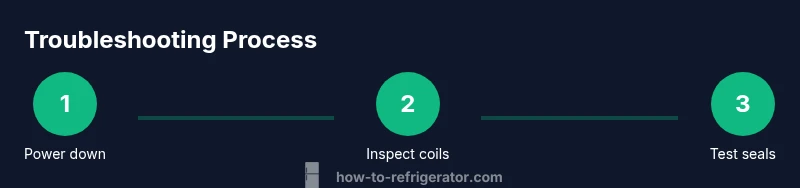
Power down and unplug the unit
Safely disconnect the refrigerator from power to prevent electrical shock while you inspect components. This is the essential first step before touching any internal parts.
Tip: Keep a record of any unusual noises or smells you notice after powering back on. - 2
Locate and inspect condenser coils
Find the condenser coils (usually on the back or beneath the unit) and remove dust with a coil brush or vacuum. Dirty coils reduce cooling efficiency and can cause overheating.
Tip: Do not use metal tools; they can bend fins and impair airflow. - 3
Inspect door gaskets for wear
Check seals around all doors for cracks or gaps. A poor seal lets cold air escape, forcing the compressor to run longer. Clean the gaskets to remove debris that inhibits sealing.
Tip: If you can slide a thin sheet of paper out with ease, consider gasket replacement. - 4
Verify temperature settings
Ensure the fridge is maintained around 35-38°F and the freezer around 0-5°F. Incorrect temperatures can mirror symptoms of more serious faults.
Tip: Avoid placing hot foods directly into the fridge, which can temporarily elevate temperatures. - 5
Inspect for frost and run a defrost check
Frost on the evaporator suggests an issue with the defrost cycle or drainage. If your model has a defrost feature, run it according to the manual. If frost is heavy and no cycle exists, do not force defrost.
Tip: Manual defrost should only be attempted if your manual allows it. - 6
Check drainage path and defrost drain
Look for clogs in the defrost drain or condensation channels. Clear with a soft tool or recommended method from the user manual to prevent water pooling.
Tip: Never use corrosive chemicals through the drain; this can damage internal parts. - 7
Reconnect power and test operation
Plug the unit back in and monitor cooling performance for 1-2 hours. Note temps and any unusual noises; if problems persist, prepare for professional service with a detailed symptom log.
Tip: Prepare a list of observed symptoms to share with the technician to speed diagnosis.
FAQ
What should I do first if my Viking refrigerator stops cooling?
Begin with safety: unplug the unit, check basic power, and verify the thermostat settings. Then inspect seals and coils for obvious issues before calling a technician.
First unplug the unit, check the power and thermostat, then inspect seals and coils before you call a technician.
Is frost buildup in a Viking refrigerator normal?
Some frost can occur during normal use, but persistent frost usually signals a defrost or drainage problem. Check for blocked drains and inspect the defrost cycle according to your manual.
A little frost can happen, but recurring frost usually means a defrost or drainage issue.
How often should I clean the condenser coils?
Clean coils at least once or twice a year, more often in dusty kitchens. Regular cleaning improves efficiency and cooling performance.
Clean the coils once or twice a year, or more in dusty kitchens.
When should I call a professional?
If the issue involves the compressor, refrigerant, or major electrical components, or if repairs exceed a practical portion of a new unit’s cost, contact a licensed technician.
Call a pro when the compressor or major electrical parts are involved, or if repair costs are high.
Does warranty cover typical repairs?
Warranty terms vary by model and region. Check the user manual or warranty card for coverage details, and keep service records for future claims.
Warranty terms vary; check your manual and keep service records.
Can I delay refrigeration repairs to save money?
Delaying can lead to spoiled food and greater damage. If you notice persistent issues, seek a professional assessment to avoid further losses.
Delaying repairs can cause more problems, so get an assessment if issues persist.
Watch Video
Top Takeaways
- Inspect coils and seals regularly for optimal cooling
- Follow a structured diagnostic checklist before calling a pro
- Maintain temperatures within recommended ranges
- Record symptoms to guide repairs and warranty considerations
- Regular maintenance improves efficiency and longevity