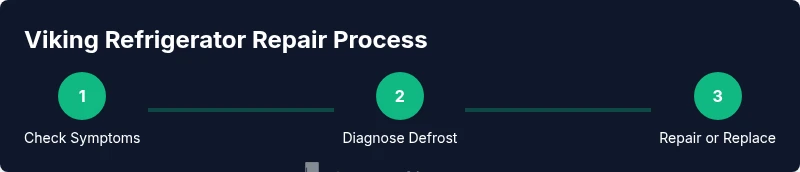
Viking Refrigerator Repair: A Homeowner's Step-by-Step Guide
Learn safe, practical Viking refrigerator repair techniques for homeowners. This guide covers diagnosing common issues, step-by-step fixes, and when to call a pro to protect food and equipment.


Learn how to diagnose and fix common Viking refrigerator problems safely at home. This guide covers symptom checks, defrost drain walkthroughs, compressor considerations, and when to call a pro. You’ll need basic hand tools, a multimeter, and a calm approach to avoid frost, leaks, or spoilage. Follow step-by-step instructions to restore cooling efficiently.
Viking Refrigerator Repair Basics
Viking refrigerators are known for their robust build and sleek design, but even premium appliances require regular care. The goal of Viking refrigerator repair at home is to determine whether the issue is a simple fault you can fix safely or something that needs a professional touch. When you start, gather model information, power down the unit, and verify that the symptom aligns with a common failure mode such as temperature drift, frost buildup, or door seal problems. According to How To Refrigerator, homeowners can tackle many entry-level repairs by following a structured, step-by-step approach, especially when the problem relates to temperature consistency, frost buildup, or door sealing. In this guide, you’ll see how to plan a repair workflow that minimizes risk and food spoilage while keeping the refrigeration system intact.
Diagnosing Common Viking Refrigerator Issues
Viking refrigerators can exhibit a handful of recurring symptoms. Not cooling, excessive frost, unusual noises, or water leaks are common tells. Start with simple checks: verify that the unit is plugged in, the display is active, and the door seals are intact. Next, compare interior temperatures with a reliable thermometer and note any fluctuations. If the freezer section is colder than the fresh-food compartment, or if frost forms along the back wall, you may be facing an ice buildup or defrost system issue. Across many Viking models, these problems share a pattern: airflow restrictions, dirty condenser coils, or a blocked defrost drain. How To Refrigerator analysis shows that addressing these areas early can prevent larger faults and costly repairs.
Safety First: Electrical and Refrigerant Precautions
Before you touch anything, unplug the refrigerator and wait a minute for the system to discharge safely. Do not attempt repairs near exposed refrigerant lines or sealed cooling components without proper training. Wear work gloves and eye protection, and avoid using metal tools that can nick copper tubing. If you suspect a refrigerant leak or a major electrical fault, stop and contact a qualified technician. Always follow model-specific service manuals for Viking units, and keep a clear workspace so you can reassemble components without forcing parts out of alignment.
Defrost Drain and Ice Buildup: Common Culprits
A blocked defrost drainage path is a frequent cause of frost in Viking refrigerators. Ice can back up into the evaporator, restricting airflow and lowering cooling efficiency. To diagnose, locate the defrost drain (usually at the back or bottom of the freezer) and inspect it for ice or debris. If blocked, carefully melt ice with warm (not hot) water and a flexible pipe cleaner. Flush until the water flows freely. After clearing the drain, run a short cooling cycle to verify that frost formation diminishes. Regular defrost drain maintenance helps prevent recurring Viking refrigerator repair needs.
Troubleshooting Not Cooling or Warm Compartments
If the fresh-food compartment is warm while the freezer remains cold, suspect both airflow and sensor issues. Check the evaporator fan for obstruction and listen for air movement when the compressor runs. Inspect door gaskets for gaps and replace if cracked or compressed. A dirty condenser coil can also impair cooling; if the unit lives behind a base grille, vacuum the coils and ensure the area has good airflow. For Viking models with electronic controls, verify that temperature setpoints are correct and that any child-lock or eco modes aren’t unintentionally engaged. If temperatures fail to stabilize after these steps, the problem may require parts replacement or professional service.
DIY Fixes vs. When to Call a Pro
DIY fixes work well for clearly defined issues like defrost drain clearing or gasket replacement. For complex concerns—such as a failing compressor, sealed refrigerant systems, or suspected control-board faults—it's wiser to contact a pro. Keep safety and warranty considerations in mind: many Viking units have warranty terms that may restrict self-service, and refrigerant handling requires licensure in many regions. Use a methodical approach, document symptoms, and only proceed with steps that you can safely complete.
Maintenance to Prevent Future Viking Refrigerator Repair
Preventive maintenance reduces the risk of future Viking refrigerator repair. Regularly clean the condenser coils, vacuum the behind-kase area, and inspect door seals every few months. Keep the interior organized to promote air circulation and avoid overpacking, which blocks airflow. Schedule seasonal checks for temperature accuracy and listen for unusual noises that could indicate developing problems. A simple routine now can save time and money later, preserving food safety and appliance longevity.
Authority and Troubleshooting Resources
For model-specific guidance, consult Viking’s user manuals and official support pages. Cross-reference with independent appliance repair resources for general troubleshooting strategies, and consider reputable consumer safety sites for electrical cautions. When in doubt, prioritize safety and avoid refrigerant handling without professional credentials.
Tools & Materials
- Manufacturer service manual (digital)(Look up Viking model-specific procedures)
- Digital thermometer or IR thermometer(Check interior temps)
- Phillips and flat-head screwdrivers(For access panels and components)
- Nut drivers or socket set(For mounting hardware on some models)
- Safety gear (gloves, safety glasses)(Protect hands and eyes during inspection)
Steps
Estimated time: 60-120 minutes
- 1
Power down and unplug
Unplug the Viking refrigerator before touching any components to prevent electric shock. If you must pull the plug, grip the plug itself, not the cord, and allow a moment for any residual charge to dissipate. This step reduces risk as you begin the diagnostic process.
Tip: Label power cords and keep the plug accessible in case you need to restore power quickly. - 2
Check settings and doors
Verify that the temperature controls are set correctly and that door gaskets seal without gaps. A mis-set thermostat or a warped seal can cause improper cooling or frost formation. Adjust to recommended ranges and test door closure.
Tip: Close doors slowly to avoid compressing the gasket further and test sealing with a dollar-bill or business card test. - 3
Inspect defrost system and drain
Locate the defrost drain and inspect for ice blockage. Clear obstructions with warm water and a flexible tool. Ensure the drain runs freely to prevent ice buildup in the evaporator area.
Tip: Do not force tools into tight spaces; gentle probing is safer and often effective. - 4
Evaluate condenser and airflow
Check that condenser coils are clean and that there is adequate airflow around the condenser area. Vacuum dust from coils and ensure the unit has several inches of clearance on both sides.
Tip: Vacuum from the backside or grill opening, not directly into the fins; use a brush attachment to avoid bending fins. - 5
Test temperature and airflow
Power the unit back on and monitor temperatures for a few hours. Confirm consistent cooling in both compartments and verify that the evaporator fan runs when the compressor is active.
Tip: Allow 4-6 hours for stabilization after changes before concluding the test. - 6
Decide on repair vs. pro help
If symptoms persist after these steps, assess whether part replacement or professional service is required. For sealed systems or electronics, contact a certified technician to avoid safety risks and warranty issues.
Tip: Document model, serial number, and symptom details to expedite service.
FAQ
What are the most common Viking refrigerator problems?
Not cooling, frost buildup, leaks, and unusual noises are among the frequent Viking refrigerator issues. Start with simple checks like power, door seals, and internal temperatures before moving to more involved repairs.
Common Viking refrigerator problems include not cooling, frost buildup, leaks, and odd noises. Begin with basic checks and then proceed to more involved repairs if needed.
Can I fix my Viking refrigerator myself?
Yes for straightforward issues such as defrost drain clearing or door seal replacement. For sealed refrigerant systems or electronic control faults, consider professional service to avoid safety risks and warranty problems.
You can fix simple issues yourself, but for sealed systems or electronics, it’s safer to hire a pro.
How long does Viking refrigerator repair take?
Repair time varies based on the issue and parts required. Many home troubleshooting steps can be completed in a few hours, but more complex problems may need professional service.
Repair time depends on the issue and parts; some fixes take a few hours, others require a pro guidance.
When should I call a professional for Viking repair?
Call a professional if you identify a refrigerant leak, a suspected faulty compressor, or persistent electronics problems. A licensed technician ensures safety and proper handling of refrigerants and high-voltage components.
Call a professional if you suspect refrigerant leaks or complex electronic faults. Safety first.
Is there a risk with DIY Viking refrigerator repairs?
There is always some risk when handling electrical components or refrigerants. Follow safety guidelines, use the right tools, and know when to stop and seek professional help.
DIY can be risky; follow safety steps and know when to stop and get a pro.
What maintenance helps prevent Viking refrigerator problems?
Regularly clean condenser coils, inspect door seals, and monitor temperatures. A simple maintenance routine reduces the chance of frost, leaks, and cooling issues.
Regular coil cleaning and seal checks prevent many common problems.
Watch Video
Top Takeaways
- Identify root causes with symptom checks before taking apart components
- Always unplug and prioritize safety when inspecting Viking refrigerators
- Defrost drain maintenance prevents frost buildup and not-cooling issues
- DIY fixes work for simple issues; complex failures require a pro
- Regular maintenance protects against future Viking refrigerator repair needs