RV Refrigerator Norcold Parts: Troubleshooting and Replacement Guide
Comprehensive guide to identifying, sourcing, and replacing Norcold parts for RV refrigerators. practical steps, OEM sourcing, safety precautions, and maintenance tips for long-lasting performance.


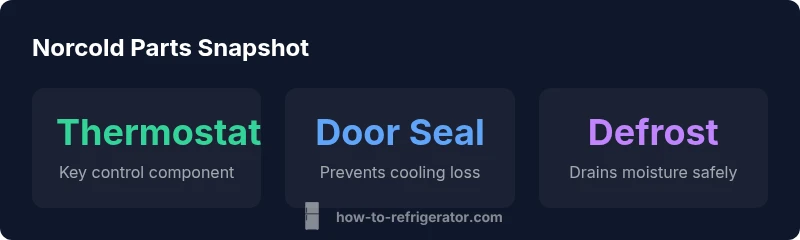
An essential quick guide for homeowners: Norcold parts include cooling units, thermostats, control boards, door seals, igniters, and defrost components. This snippet outlines how to identify the correct parts for your model, verify compatibility, source authentic Norcold components, and perform safe replacements. Following these steps helps minimize downtime and keep your RV refrigerator reliable on the road.
Understanding rv refrigerator norcold parts
When a homeowner starts diagnosing an issue with an RV fridge, the phrase rv refrigerator norcold parts comes up frequently. Norcold manufactures components specifically for mobile use, and the parts are designed to withstand vibrations, outdoor temps, and propane operation. According to How To Refrigerator, the set of parts typically includes the cooling unit, thermostats, control boards, defrost components, door seals, and igniters. Identifying the right parts requires matching model families and part numbers, which we'll cover in detail. Knowing which parts are likely to fail and how they interact helps you plan replacements with minimal downtime on the road. For many RV owners, this is not just a repair—it's a way to extend days on the road between service visits. The brand’s guidance emphasizes using authentic Norcold parts to preserve safety standards and warranty coverage. The focus here is on practical, owner-friendly steps to avoid guesswork when you search for rv refrigerator norcold parts.
Common Norcold fridge components and their functions
A typical Norcold RV refrigerator relies on several core components. The cooling unit, which drives the cooling cycle, is paired with a thermostat or sensor that regulates temperature. The control board coordinates power to the compressor (or burner in absorption models) and fans. Door seals prevent warm air from entering and moisture from condensing inside the cabinet. An igniter or flame sensor may be present on propane-fueled models, while defrost components manage meltwater and ice buildup. Understanding each part’s role helps you pinpoint which component is failing. When you search for rv refrigerator norcold parts, you’ll see terminology like thermostat sensor, inverter, cooling unit, and defrost drain. Always check compatibility with your model number and refer to the official Norcold diagrams to avoid mismatches. Routine inspection focuses on seals, venting clearances, and electrical connections, as these are common points of degradation in RV environments.
How to identify the right Norcold parts for your model
Start by locating the model number and serial information plate on your Norcold refrigerator. The model number determines which parts are compatible, and many Norcold parts lists cross-reference with specific series such as NRVF or NRSE styles. Use the model to verify part numbers against official diagrams or customer support resources. If you are uncertain, contact an authorized dealer or Norcold support for confirmation before ordering rv refrigerator norcold parts. When shopping, prefer OEM (original equipment manufacturer) parts to maximize fit, safety, and longevity. If OEM parts are unavailable, compare reputable aftermarket options that provide equivalent specifications, but always verify warranty implications and compatibility notes. Document the model and revision history for future repairs and ensure you are purchasing the correct thermostat, gasket, or control board.
Where to source Norcold parts and how to verify authenticity
Trusted sources for Norcold parts include official distributors, authorized service centers, and well-established RV supply retailers. When evaluating rv refrigerator norcold parts, check the part number and packaging for authentic branding, holograms, and clear labeling. Avoid gray-market listings that lack traceability. OEM parts carry specific performance standards intended for mobile use, including vibration resistance and propane safety ratings. If a price seems too good to be true, it probably is, and you risk compatibility issues or counterfeit components that compromise safety.
How To Determine Authenticity:
- Confirm the part number exactly matches your model’s diagram
- Buy from authorized dealers or direct Norcold channels
- Inspect packaging for brand marks and serial verification
- Request documentation or a warranty card with every purchase
For rv refrigerator norcold parts, documentation and provenance matter as much as price. The How To Refrigerator team recommends sticking to OEM or officially sanctioned suppliers to minimize the risk of mismatched components and to preserve warranty coverage.
Safe replacement steps for typical parts
Before starting any replacement, power down the unit and disconnect the battery or 12V supply. If you are operating on propane, shut off the propane valve and ensure there is adequate ventilation. Wear eye protection and gloves, and have a fire extinguisher nearby as a precaution. Replacement steps vary by part, but general best practices apply:
- Door seals/gaskets: Remove the old seal, clean surfaces, and press the new gasket into place, ensuring a snug, even seal.
- Thermostats and sensors: Disconnect harnesses, remove mounting screws, and replace with the exact part number. Reconnect connectors in the correct order and test temperature control.
- Control boards: Note connector orientation before removal, replace board, and re-seat all plugs. Clear any code or fault indicators with a proper reset.
- Defrost components: Inspect defrost heater and drain lines; replace as needed and test defrost cycle.
- Cooling unit/igniters: These are higher-risk replacements; consult a professional if you’re not confident in handling refrigerant lines or propane safety.
Once installed, verify proper operation by powering the fridge through its normal modes (AC, DC, and propane). Listen for unusual sounds, check for leaks, and monitor temperature stability for 24 hours. Keeping a log of rv refrigerator norcold parts replacements helps you track longevity and anticipate future maintenance needs.
Maintenance checklist to prevent future part failures
Prevention is easier than repair when it comes to rv refrigerator norcold parts. Establish a monthly inspection routine focusing on seals, vent clearance, and coolant lines. Practical steps include:
- Check door seals for cracks or gaps and replace worn gaskets promptly
- Clean condenser coils and vents to maintain efficient heat exchange
- Inspect wiring harnesses for wear or corrosion and repair as needed
- Test thermometers or temperature sensors against a known standard
- Schedule annual professional checkups to verify propane safety and electrical integrity
- Keep a maintenance log with part numbers, purchase dates, and service notes
A proactive approach reduces the likelihood of unexpected failures and keeps the RV fridge running reliably on long trips. The goal is stable temperatures and safe operation across all power modes, which is essential for rv refrigerator norcold parts stewardship.
Extra notes on sourcing and compatibility
When searching for rv refrigerator norcold parts, ensure you’re selecting components designed for RV use and compatible with your specific model. Norcold units vary by generation, and even small mismatches in the series can affect cooling efficiency or safety. If you are unsure about a replacement, compare the part numbers against the manufacturer’s schematics and seek guidance from a certified RV technician. Remember that the best outcome comes from using authentic parts and following the installation instructions precisely to maintain safe operation.
Common Norcold RV fridge parts and replacement cadence
| Model family | Common part | Trouble area | Typical replacement interval |
|---|---|---|---|
| NRVF Family | Thermostat sensor | Temperature control issues | 1-3 years |
| NRSE Family | Door gasket | Leaking/inefficient seal | 2-5 years |
| NRCC Family | Cooling unit | Cooling faults | 5-10 years |
FAQ
What are the most common Norcold parts that fail in RV refrigerators?
In many cases, thermostat sensors, control boards, and defrost components fail first due to vibration and temperature fluctuations. Door seals can also degrade with frequent opening. Regular inspection helps catch symptoms early.
Thermostats and control boards fail most often, plus door seals wear out with use.
How can I tell if a part is genuine Norcold?
Check model numbers, order through official retailers, verify OEM part numbers, and beware of counterfeit labeling. If in doubt, contact Norcold support or your trusted repair provider.
Look for OEM numbers and buy from trusted sources.
Can I replace Norcold parts myself?
Some parts are DIY-friendly (door seals, basic thermostats) with proper safety precautions. More complex items like cooling units or control boards may require professional service.
Yes for simple parts, but more complex replacements should be handled by a pro.
Where can I source Norcold parts for an RV refrigerator?
Official Norcold distributors and authorized service centers are the safest options. You can also find reputable third-party suppliers, ensuring the part numbers match your model.
Buy from official distributors or authorized service centers to ensure fit and safety.
What maintenance steps help prevent future Norcold part failures?
Regular cleaning, door seal inspection, proper venting, and periodic professional checks help extend part life. Document model numbers and part revisions for quick future repairs.
Clean vents, check seals, and schedule annual checks.
“A proactive maintenance approach and using genuine Norcold parts minimizes downtime and ensures safe operation in RV environments.”
Top Takeaways
- Know your model number before shopping for parts
- Prefer OEM Norcold parts to avoid compatibility issues
- Check door seals and thermostat first for common failures
- Always disconnect power before working on the fridge
- Maintain a preventive maintenance schedule to extend part life