RV Refrigerator Troubleshooting Guide for Mobile Living
A comprehensive, safety-first guide to diagnosing and fixing common RV refrigerator issues. Learn propane/electric troubleshooting, maintenance routines, and when to hire a pro.


You will learn how to diagnose and repair common RV refrigerator problems, including not cooling, cycling on/off, and venting issues. This guide covers propane and electric operation, safety precautions, and practical, step-by-step maintenance you can perform on the road. By following these instructions, you can restore reliable refrigeration in your RV and protect perishable goods.
Understanding the RV refrigerator landscape RV refrigerators are designed for mobility. They are typically absorption units that use a heat source (gas propane or electric) to drive cooling. Some newer models use compressor technology, which behaves more like a household fridge but may demand different power and venting requirements. The How To Refrigerator team notes that these devices face unique challenges when you’re on the road: tilt sensitivity, inconsistent power, and limited ventilation in compact RV spaces. The How To Refrigerator guidance emphasizes that RV refrigerators require careful venting and level installation to operate properly. Key factors that influence performance include access to a steady power source, proper ventilation, and clean door seals. If any of these are compromised, the fridge may struggle to reach or sustain the correct temperature. Diagnosing RV refrigeration issues means thinking through three domains: power/electric, fuel source, and physical condition of the cabinet. In practice, you’ll find practical steps to verify each domain and perform safe, on-board maintenance.
Common Problems and Quick Diagnostics Not cooling is the most common complaint with rv refrigerator units on the move. In many cases the problem isn’t a failed compressor but something simpler: a tripped circuit, a propane supply issue, a dirty condenser, or a door seal that’s letting cold air escape. Other frequent symptoms include cycling on and off too often, frost buildup, or unusual noises. Start with a quick visual inspection: check the exterior vent openings for obstruction, confirm the door closes firmly, and listen for fan or compressor sounds. Keep a thermometer in the fridge to verify actual temperatures and compare them to the manufacturer’s recommended range. If you notice frost or ice buildup on the evaporator, that can indicate an air leak or defrost failure. Document observations with dates and photos to help if you need to call a technician later. For RV owners, the interplay of LP gas safety and electrical power adds layers of complexity, so approach each check methodically and with safety in mind.
Safety First: Handling Propane and Electrical Systems Working with propane and high-voltage systems requires strict safety discipline. Do not attempt gas repairs if you smell gas, hear hissing, or suspect a leak—evacuate and call emergency services, then your propane supplier. When working on the electrical system, unplug from shore power or switch off the generator, and use a properly rated multimeter to measure voltages. Use a gas detector when testing LP connections near the fridge, and never bypass safety shutoffs or pressure regulators. If you’re unsure about any step, stop and seek professional help. Protective gloves, eye protection, and a clean, dry workspace reduce risk. When in doubt, consult the manufacturer’s service manual for model-specific cautions.
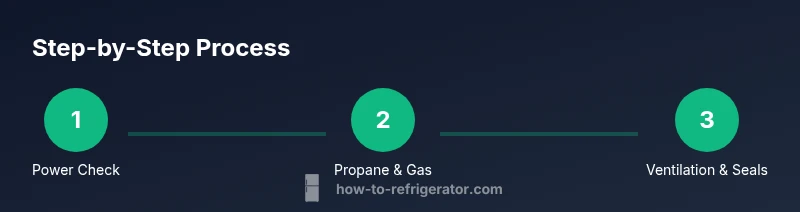
Step-By-Step Troubleshooting for Not Cooling Verifying power availability is the first action. Confirm the fridge is connected to the correct power source (AC shore power or 12V). If you’re on propane, ensure the gas valve is open and that the unit’s LP safety switch is engaged. Without steady power, the cooling cycle cannot function reliably. Check the circuit breaker or fuse on the RV panel. Next, inspect the propane supply and gas line for cracks or leaks, and replace any damaged lines as needed. Test the regulator setting per the manufacturer’s specification and never work near open flames. Then, test the thermostat and temperature settings; ensure the thermostat isn’t frozen or stuck, and reset to factory defaults if needed. Inspect exterior vents and interior airflow, ensuring vents are clear and louvers move freely. Check door seals for tears or stiffness and replace damaged gaskets. Clean evaporator coils and condenser fins to improve airflow, using a soft brush or compressed air. If frost is present, perform a cautious defrost and clear the drain. Finally, power the unit and observe for 24–48 hours; if issues persist, plan diagnostic steps with a professional.
Defrost Drain and Ice Buildup: Clean and Clear Frost buildup blocks airflow and can trigger a defrost cycle that never fully clears the evaporator. Locate the defrost drain and flush with warm water using a flexible wand to reach the drain. Remove ice carefully and dry the area to prevent quick re-freeze. Avoid metal tools that could puncture lines. After clearing, reassemble the panel and monitor cooling for the next 24 hours, repeating defrost if frost returns.
Maintenance and Preventative Care for RV Refrigerators Consistent maintenance reduces surprises on the road. Schedule routine inspections of seals, vents, and panels, and keep the interior at a stable temperature. Clean door gaskets annually and replace cracked seals promptly. Keep exterior vents clear of dust, leaves, and debris, and ensure air clearance around the unit. Check leveling and confirm there’s no tilt that could affect refrigerant circulation, especially in older absorption units. Consider a short annual service by a qualified technician as cost-effective preventive care.
When to Seek Professional Help and How to Choose a Repair Service If you encounter gas leaks, persistent cooling failures, or refrigerant handling concerns, contact a licensed RV technician or appliance service. Gas-related issues are hazardous and require proper certification; refrigerant handling is regulated and should be performed by trained professionals. When choosing a repair service, verify licenses, request a written diagnostic, compare quotes, and confirm the technician has RV refrigeration experience. If the unit is under warranty, check warranty terms before paying for service.
Tools & Materials
- Multimeter (with DC and AC capability)(Essential for voltage checks and continuity tests around 12V and 120V circuits)
- Propane gas leak detector(Use near LP connections; replace if outdated)
- Screwdrivers (Phillips and flathead)(For panel screws and terminal access)
- Non-marring trim tool(Helpful to pry panels without scuffing surfaces)
- Flashlight(Shine into vents and corners; use headlamp for hands-free light)
- Soft cloths and mild soap(Gently clean gaskets and exterior surfaces)
- Bucket and warm water(For defrost drain and interior cleaning)
- Level or Wright level app(Ensure RV is level for proper fridge operation)
Steps
Estimated time: 2-3 hours
- 1
Verify Power Availability
Confirm the fridge is connected to the correct power source (AC shore power or 12V). If you’re on propane, ensure the gas valve is open and that the unit’s LP safety switch is engaged. Without steady power, the cooling cycle cannot function reliably. Also check the circuit breaker or fuse for the RV panel.
Tip: If you’re relying on a generator, run it at a steady speed to stabilize voltage. - 2
Check Propane Supply and Gas Line
Inspect the propane hose for cracks, kinks, or leaks using a soap-bubble test. Replace any damaged lines and ensure the regulator is set per the manufacturer’s specification. Never perform propane work near open flames.
Tip: Always have a functional propane detector before working near gas components. - 3
Test Thermostat and Temperature Settings
Make sure the thermostat is set within the recommended range and that the control knob isn’t frozen or stuck. If your fridge has a digital display, reset to factory defaults before reprogramming.
Tip: Record target temperatures for future reference. - 4
Inspect Exterior Vents and Interior Airflow
Ensure roof vents are clear, louvers can move, and nothing blocks air paths inside the cabinet. A fan can help in hot conditions to boost airflow when needed.
Tip: Avoid obstructing vents with towels or bulky items. - 5
Check Door Seals and Gaskets
Look for tears, cracks, or stiff seals that don’t clamp shut. Clean with mild soap and water; replace damaged gaskets. Use the door-bill test to verify a snug seal.
Tip: Replace seals promptly to prevent cooling loss. - 6
Inspect Evaporator Coils and Fins
Dust and lint reduce heat transfer. Use a soft brush or compressed air to clean fins; avoid bending fins. A dirty coil reduces efficiency and cooling performance.
Tip: Clean every 6–12 months depending on dust exposure. - 7
Clear Defrost Drain and Frost Buildup
If you see frost, perform a cautious defrost and clear any ice blocking the drain. Flush with warm water and use a flexible wand to reach the drain.
Tip: Never use heated metal objects to melt ice; risk of damaging lines. - 8
Reset, Observe, and Decide Next Steps
Power the unit after checks and monitor for 24–48 hours. If issues persist, plan a diagnostic with a professional and gather observations.
Tip: Keep a log of temperatures and notes for the technician.
FAQ
Why isn’t my RV refrigerator cooling when on propane?
Check that the propane valve is open, the regulator is functioning, and the LP safety switch hasn't tripped. Confirm there is no gas leak and that the ventilation path isn't blocked. If the unit still won't cool, use the electric option while you diagnose more deeply.
Check propane flow, switch, and venting. If it still won’t cool, switch to electric and inspect vents.
Why does my RV fridge cool on AC but not on propane?
Some RV refrigerators switch modes; propane operation depends on fuel supply and venting. Check the valve, regulator, and the flame sensor. If any step fails, the unit may not start the cooling cycle on propane.
Propane mode may fail if gas supply or vents are blocked.
What causes frost buildup inside an RV fridge?
Frost usually results from air leaks, thermostat settings too low, or blocked vents. Inspect door seals and interior airflow, and perform a controlled defrost if necessary.
Frost comes from leaks or wrong settings; fix seals and ventilate.
How do I clean a defrost drain in an RV refrigerator?
Locate the drain and flush it with warm water using a flexible wand. Remove ice carefully and dry the area to prevent quick re-freeze. Recheck after 24 hours of operation.
Flush the drain with warm water and clear ice carefully.
Can I fix an RV refrigerator myself?
Many basic maintenance tasks are doable on the road, but gas systems and refrigerant handling require licensed technicians. If unsure, contact professional service and avoid risky repairs.
Some fixes are DIY-safe, but gas and refrigerants need pros.
Is it safe to transport an RV refrigerator during travel?
Avoid heavy impact on the appliance; secure all panels and keep doors closed. Let the appliance settle after a move before testing. If the fridge was recently serviced, follow the manufacturer’s guidelines for re-commissioning.
Secure the fridge and follow setup steps after moving.
Watch Video
Top Takeaways
- Check vents and seals regularly
- Verify power and propane supply before troubleshooting
- Follow safe defrosting and drainage procedures
- Know when to call a pro for gas or refrigerant work