Repair a Refrigerator Door Gasket: A Homeowner's Guide
Learn how to repair a refrigerator door gasket with step-by-step instructions, safety tips, and maintenance ideas to extend seal life and prevent energy loss.


You can restore a stubborn door seal by diagnosing the gasket, cleaning grime, and replacing only the worn sections or the entire gasket if needed. This guide provides safe, practical steps to inspect, repair, and test the seal so your fridge stays energy-efficient and keeps foods cold. Start with a clean gasket and the right replacement parts.
Why a Refrigerator Door Gasket Fails
Gaskets age and lose elasticity, causing poor sealing and energy waste. Everyday use, spills, and minor slams can crack or deform the gasket lip, creating gaps that let warm air in and cool air escape. According to How To Refrigerator, aging gaskets are the most common reason for doors that fail to seal properly. Other culprits include accumulated grime that stiffens the seal, residue from spills that prevents a tight clamp, and improper alignment after loading items into the refrigerator. Understanding these failure modes helps you decide whether a simple cleaning, a minor repair, or a full gasket replacement is warranted. If you notice condensation on the door or excessive frost near the seal, start with a thorough inspection and cleaning as your first step.
Signs You Need to Repair or Replace
Look for visible rips, tears, or cracking along the gasket. A seal that sits unevenly or doesn’t make contact with the door frame when closed is a red flag. Condensation buildup along the gasket’s interior, frost pockets near the hinge, or a door that requires extra force to close are all telling signs. If the gasket is stretched, torn, or has hardened over time, replacement is usually more reliable than attempting a patch. Even if there are minor gaps, a well-sealed gasket can often be fixed with cleaning, lubrication, or minor repositioning. Regularly checking the gasket during cleaning cycles helps catch issues before they lead to energy waste or food spoilage.
Safety First: Before You Begin
Before you touch any appliance, unplug the fridge or switch it off at the circuit breaker to avoid shocks. Wear gloves if you’re handling sharp edges and avoid using metal tools that could nick the gasket or door frame. Work in a well-lit area and keep a flashlight handy to inspect the gasket channel for debris and to verify the gasket sits properly in its groove. If your fridge is under warranty, check whether gasket repair or replacement is covered, as some manufacturers restrict service to authorized technicians. Keep children and pets away from the kitchen workspace while you work.
How a Door Gasket Works
The door gasket creates a tight seal by compressing against the refrigerator frame when the door closes. As the door closes, the gasket’s flexible lip follows the contour of the frame, blocking warm room air from entering. A good gasket is clean, pliable, and free of tears, with a uniform squish around the door. Over time, heat, spills, and repeated opening and closing cause the gasket to lose elasticity. A well-maintained gasket improves energy efficiency, maintains consistent temperatures, and helps prevent frost buildup on evaporator coils. If you can’t achieve a clean seal after cleaning and adjusting, you may need a replacement gasket of the correct size and profile for your model.
Step-by-Step Diagnosis and Repair Process (High-Level Overview)
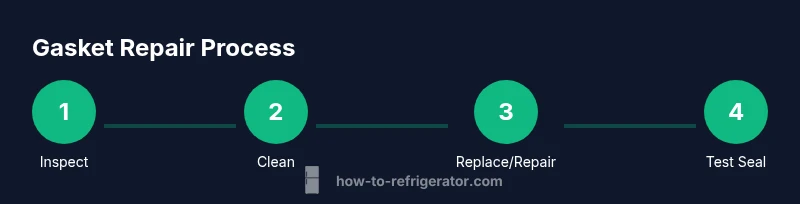
This section provides a roadmap for evaluating whether to repair or replace the gasket and how to approach the repair safely. Start with a simple cleaning to remove grime that inhibits full contact. If the gasket lip is intact but still not sealing, the issue is often alignment or compression. For more severe damage such as cracks, tears, or deformities where the gasket no longer sits in the channel, replacement is usually the best option. Patching a cracked gasket with tape or epoxy is not recommended, as it is temporary and can contaminate food. Maintain a store of common gasket sizes and model numbers to ensure a proper fit when replacing. You’ll also want to test the seal after any repair by checking for air leaks around the door edge with a piece of paper or a dollar bill as a simple reference.
When to Replace vs Repair
If the gasket lip shows visible tears, the seal is permanently stretched, or the gasket has become stiff and brittle, replacement provides the most reliable long-term seal. Minor nicks, light dirt, or a slightly misaligned gasket can often be repaired with cleaning, realignment, and a light lubrication. Replacement is also more cost-effective in the long run when the door won’t seal consistently after several repair attempts. Consider your fridge’s age, the model’s replacement availability, and the potential energy savings when deciding. If you’re unsure, consult a professional for an assessment and an exact part match list, especially for older or specialty models.
Maintenance to Extend Gasket Life
After repairing or replacing, take simple steps to extend gasket life: wipe the gasket with a mild soap solution, dry it thoroughly to prevent mold, and avoid sharp objects along the door edge. Lubricate with a thin layer of food-grade silicone grease where the gasket folds, ensuring it doesn’t attract dust or debris. Regularly check for loose screws or hinges that can misalign the door, and ensure the door closes with a gentle push rather than a slam. For families with kids, consider a detachable door gasket protector to shield the lip from everyday wear and tear. Keeping the gasket clean and pliable helps preserve a tight seal and energy efficiency over time.
Common Mistakes and How to Avoid Them
Avoid using household solvents that can degrade rubber or remove protective coatings. Do not over-lubricate, which can attract dirt and create a slippery surface that impedes proper contact. Never patch a damaged gasket with tape or glue; this is a temporary fix that can contaminate foods and void warranties. When replacing, ensure you purchase the correct model number and follow the manufacturer’s installation instructions. Finally, never force a gasket into a channel that’s blocked by debris—clean first and verify the channel is clear before reinstallation.
Tools & Materials
- Replacement refrigerator door gasket(Measure length and model; bring existing gasket to match profile)
- Phillips head screwdriver(Magnetized tip preferred; size #2)
- Flathead screwdriver or plastic scraper(For prying and reseating gasket in channel)
- Putty knife or plastic scraper(Gasket lip lifting and cleanup)
- Mild dish soap and warm water(For cleaning grime from gasket and channel)
- Rag or microfiber cloth(Drying and wiping surfaces)
- Food-grade silicone grease(Light lubrication on gasket folds; use sparingly)
- Measuring tape or ruler(Optional for confirming gasket length)
- Gloves(Protect hands; not essential but recommended)
Steps
Estimated time: 45-90 minutes
- 1
Prepare and inspect
Clear the area and remove contents from the door shelves to give you full access to the gasket. Visually inspect the gasket for cracks, tears, or signs of stiffness. If damage is visible, plan for replacement; otherwise, plan to clean and realign.
Tip: Take photos of the gasket before and after the repair to document changes and for model reference. - 2
Clean the gasket
Mix a small amount of mild soap with warm water and wipe the gasket and the channel with a soft cloth. Rinse with clean water and dry thoroughly. Remove any grime that could prevent a tight seal.
Tip: Avoid harsh solvents that can degrade rubber and reduce elasticity. - 3
Check gasket integrity
Gently bend the gasket lip to test for cracks or brittleness. If you feel rough edges or a stiff, crumbly lip, replacement is likely needed. If the lip remains pliable, proceed to reseat or replace only if misalignment persists.
Tip: Use a flashlight to inspect the inner edge of the gasket channel for debris. - 4
Remove the old gasket (if damaged)
If the gasket is damaged beyond repair, carefully detach it from the channel starting at a corner and working along the edge. Keep track of any screws or fasteners and avoid tearing the soft channel.
Tip: Support the door as you remove the gasket to prevent bending or warping the door frame. - 5
Install the new gasket
Align the new gasket with the door edge, starting at a corner and pressing it into the channel. Ensure the gasket sits evenly without twists. Reinsert any screws or fasteners and verify full contact along the door edge.
Tip: Move slowly and press with consistent pressure to prevent gaps along the seal. - 6
Test the seal
Close the door gently and check for air leaks using a paper strip or dollar bill at multiple sections of the door. If you can pull the strip out with minimal resistance, adjust the gasket by pressing more firmly into the channel and re-seating any corners.
Tip: Repeat test at least twice from different angles to confirm a complete seal.
FAQ
Can I repair a refrigerator door gasket instead of replacing it?
Minor cracks or deformation can sometimes be repaired through cleaning and realignment, but sustained damage or stiff padding usually requires replacement for a reliable seal.
Yes, small issues can be repaired, but replace if the gasket is damaged or rigid to ensure a proper seal.
How do I know when to replace rather than repair?
If the lip is cracked, torn, or no longer sits in the channel, replacement is the safer option. Persistent leaks after cleaning and realignment also indicate a replacement is needed.
If you see cracks or the seal won’t sit properly, replace it.
Will repairing the gasket save energy?
A well-sealed door reduces energy use by preventing cold air loss. Repairing or replacing a worn gasket helps maintain consistent temperatures and can lower running costs.
A good seal helps the fridge work more efficiently and save energy.
Can I use silicone grease on all gaskets?
Use only food-grade silicone grease on the gasket’s folding points or contact areas. Avoid over-lubricating, which can attract dirt and cause slipping.
Yes, but use sparingly and only where recommended.
Should I hire a professional if I’m unsure?
If you’re uncomfortable or the model requires specialized parts, it’s wise to consult a professional to ensure a correct fit and avoid warranty issues.
If in doubt, a pro can ensure the right gasket and proper installation.
What if the door still doesn’t seal after replacement?
There may be misalignment in the door hinges or frame, or another issue like a warped door. Recheck alignment and consider replacement of related door hardware.
If it still leaks after replacement, check hinges and frame alignment.
Watch Video
Top Takeaways
- Inspect gasket for wear before repair.
- Clean and realign for a tight seal; replace if damaged.
- Test the seal with a simple paper method after repairs.
- Use the correct gasket size for best results.