How to Fix Refrigerator Door Seal: DIY Guide for Homeowners
Learn how to fix a refrigerator door seal with practical, step-by-step instructions. Inspect, clean, realign, and replace gaskets as needed to stop leaks and keep your fridge cooling efficiently.


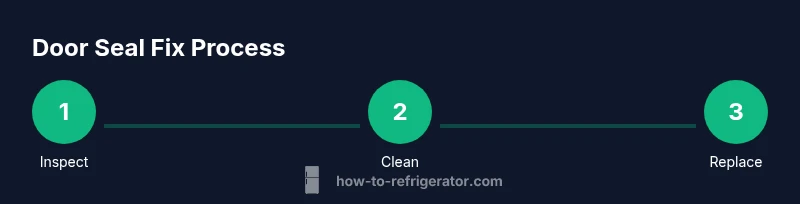
You can fix a refrigerator door seal by cleaning and re-sealing minor gaps or replacing worn gaskets. Start by inspecting the gasket for cracks, deformation, or debris, then dry and clean with a mild solution. If the seal is still loose, adjust the door alignment or replace the gasket. Unplug the unit when replacing and test for a tight seal.
What the refrigerator door seal does and how it wears
According to How To Refrigerator, the door gasket forms the airtight barrier that keeps cold air in and warm air out. Most models use a flexible rubber or vinyl seal that runs along the door's edge. Over time, repeated opening and closing, temperature fluctuations, and exposure to moisture can cause the gasket to flatten, crack, or lose elasticity. A damaged or misaligned seal lets warm air seep in, causing the compressor to run longer and the fridge to work harder, which wastes energy and can cause frost buildup on the evaporator. By understanding how the seal works and recognizing the signs of wear, you can plan a practical DIY fix rather than a costly service call. Keep in mind that even small gaps add up across the door perimeter, especially on larger units, and regular inspection helps extend the door seal's life.
According to How To Refrigerator, a well-sealing door saves energy and helps maintain consistent internal temperatures. Simple habits—such as not leaving doors ajar for long periods and cleaning the gasket regularly—can prevent accelerated wear. If you notice moisture or frost near the door, that’s a clear cue to inspect the seal more closely. A proactive approach reduces the risk of compressor strain and keeps your fridge operating efficiently for longer.
Signs your door seal needs attention
You don’t need to be a fridge technician to spot common warning signs. Look for visible cracks or tears along the seal lip, areas that have become flat or deformed, or gaps when the door is closed. Warped corners, sticky residue, or debris lodged in the gasket groove can prevent a proper seal. If the door doesn’t stay closed on its own, if you feel warm air around the door, or if there’s condensation along the door frame, these are indicators the seal isn’t doing its job. Temperature inconsistencies inside the fridge, excess frost on the evaporator, or an unusually loud running compressor can also point to a seal issue. Addressing these signs early prevents bigger problems and saves energy costs.
Quick diagnostic checks you can perform
A quick, at-home test confirms whether the seal is functioning. Use the dollar bill test: close the door on a dollar bill and try to pull it out with the door slightly ajar; if you can remove the bill easily, the seal isn’t sealing properly. Do this around all four edges and at every corner to identify weak spots. Inspect the gasket for soft spots, tears, or hardening. Clean any debris from the gasket and the groove, and dry thoroughly before testing again. If the seal feels slack in multiple places, replacement is likely the best long-term fix; otherwise, cleaning or realignment may suffice.
Cleaning the gasket and maintaining the seal
Start with mild cleaning to avoid damaging the gasket. Mix a small amount of dish soap with warm water and use a soft microfiber cloth to wipe the gasket surface and the sealing groove. Rinse with clean water and dry completely to prevent moisture from accumulating behind the seal. Remove any tricky grime with a soft brush or a plastic scraper if needed, but avoid sharp tools that could puncture the gasket. Regular cleaning helps maintain elasticity and extends the life of the seal, especially in kitchens with high humidity or heat exposure.
Check door alignment and hinges
Even a slightly misaligned door can cause imperfect sealing. Use a carpenter’s level to verify that the fridge sits level from front to back and side to side. If the front edge sits too high, the door will press the gasket unevenly and may fail to seal properly. Tighten hinge screws as needed and verify that the door closes fully without rubbing. If you notice the door sagging, shims or hinge adjustments may be required. After realigning, re-test the seal with the dollar bill method to confirm improvement.
When to replace the gasket
If you find deep cracks, tears along the lip, significant curling, or the gasket feels brittle or stiff, replacement is the most reliable fix. Before buying a replacement, verify the model number, and source a gasket that matches the original profile and dimensions. After installation, retest the door seal in all positions to ensure a complete seal. Replacement is often straightforward and yields long-lasting results when the correct gasket profile is used.
Replacing the door gasket: an overview
Replacing the gasket is usually a straightforward process, though model-specific steps vary. Remove the old gasket by disconnecting any retaining screws or prying out clips, clean the gasket channel, and align the new gasket carefully before snapping or screwing it into place. Some gaskets slide into a groove, others clamp along the edge. It’s common for the gasket to be slightly longer than the channel—trim carefully if needed. Always consult your appliance manual or manufacturer’s website for model-specific instructions and the recommended gasket type before starting.
Tools & Materials
- Mild dish soap(for cleaning gasket surface and surrounding area)
- Warm water(for diluting soap)
- Soft microfiber cloth(lint-free; safe on gasket)
- Replacement door gasket(only if damaged beyond cleaning)
- Screwdriver set (Phillips and flat-head)(for removing hinge covers if present)
- Small putty knife or plastic scraper(to ease gasket removal without damage)
- Carpenter's level(used to check front-to-back and side-to-side level)
- Isopropyl alcohol (70%)(optional for residue cleanup if needed)
- Gloves(protect hands when handling sharp edges)
Steps
Estimated time: 45-75 minutes
- 1
Inspect the gasket for damage
Carefully inspect the entire gasket for cracks, tears, or deformities; check the corners and the channel for wear. Look for hardening or brittleness, which indicates age. If you find any significant damage, plan for replacement rather than attempting a temporary fix.
Tip: Use a bright light to illuminate edges and folds so you don’t miss tiny splits. - 2
Clean the gasket surface and channel
Prepare a mild cleaning solution and wipe down both the gasket and the groove it sits in. Rinse with clean water and dry thoroughly to prevent moisture from getting trapped behind the seal.
Tip: Avoid soaking the gasket; excess moisture can cause swelling and longer drying times. - 3
Check door alignment and hinges
Place a level on the top edge of the fridge to confirm it sits evenly. Tighten any loose hinge screws and adjust alignment as needed. If the door drags or rubs, misalignment may be the root cause of a poor seal.
Tip: Take a quick photo of the hinge area before making adjustments to guide reassembly. - 4
Replace a damaged gasket
If the gasket shows substantial damage, remove the old one and clean the channel. Fit the new gasket into the groove, ensuring it sits evenly without stretching. Secure any retaining screws or clips as required by your model.
Tip: Do not over-stretch a new gasket; let it settle into position for a few minutes before final tightening. - 5
Reinstall and test the seal
Reattach any covers, reseat the door, and close firmly. Run the dollar bill test around all edges to verify a tight seal. If the test fails, recheck the gasket seating and alignment.
Tip: Test after a brief cooldown period; cold hinges sometimes require a moment to settle. - 6
Observe post-repair performance
Give the fridge 24 hours of normal use and monitor for any air leaks or frost buildup. If issues persist, consider professional service or model-specific guidance for gasket selection.
Tip: Keep a small note of symptom changes to share with a technician if needed.
FAQ
What causes a refrigerator door seal to fail?
Gaskets wear with age, exposure to temperature changes, and door-use stress. Misalignment and debris can also prevent a proper seal. Regular inspection helps you catch small issues before they become leaks.
Gasket failure usually results from wear and misalignment; regular checks help you spot issues early.
Can I fix a door seal without replacing it?
Yes, minor issues like surface dirt, small deformations, or slight misalignment can sometimes be corrected with cleaning, reseating the gasket, or realigning the door. If cracks or tears are present, replacement is typically necessary.
Sometimes cleaning or realigning works, but cracks usually mean you need a new gasket.
Is it safe to operate the fridge while repairing the door seal?
For safety, unplug the unit before any gasket work. If you must work with the door open briefly, avoid handling electrical cords and ensure the fridge is on a dry surface away from water.
Best practice is to unplug first; if you must work briefly with the door open, stay safe and dry.
What tools do I need to replace the door seal?
A screwdriver set (for hinges or clips), a replacement gasket, a plastic scraper or putty knife, and a level are typically sufficient. Some models may require model-specific hardware.
Usually a screwdriver, level, and the right gasket; refer to your model’s manual.
How long does it take to fix a door seal?
A basic seal repair or replacement typically takes less than an hour, depending on your model and whether you need to remove hinges or hardware.
Most repairs take under an hour, depending on the model and what’s needed.
When should I call a professional?
If the fridge is under warranty, you’re unsure about the model-specific steps, or you encounter refrigerant or electrical concerns, consult a trained technician for safe and proper service.
If you’re unsure or the job involves electrical work, it’s best to hire a professional.
Top Takeaways
- Inspect the seal for damage before replacing.
- Clean and realign before replacing the gasket.
- Test the seal around all edges after any adjustment.
- Replace only when the gasket is visibly damaged or no longer seals.
- Unplug the unit for any gasket work and follow safety precautions.