How to Replace a Door Seal on Your Refrigerator
Learn how to replace the door seal on your refrigerator with a clear, safe method. This guide covers tools, gasket selection, a detailed step-by-step process, tests, maintenance tips, and troubleshooting for a tight, energy-efficient seal.


Replacing the door seal on your refrigerator restores a tight, energy-efficient seal and prevents air leaks. You'll need a compatible gasket, basic tools, and a clean workspace. This step-by-step guide walks homeowners through removal, installation, and testing for a secure fit. Follow the steps and safety tips to minimize downtime and avoid damaging the refrigerator door or grooves.
Why replacing a door seal matters
Replacing the door seal on your refrigerator is one of the most cost-effective repairs you can perform to improve energy efficiency and food safety. If you replace door seal on refrigerator, you can stop cold air from escaping and reduce the workload on the compressor. According to How To Refrigerator, a worn or damaged gasket can allow warm air to enter the cabinet, causing the compressor to run longer and groceries to spoil more quickly. A good seal also helps prevent frost buildup around the door frame, which can worsen gaps over time. When the door closes, a properly seated gasket forms a continuous barrier that keeps temperature more stable, protects milk and produce, and lowers energy use. This section lays the groundwork for understanding what you’ll replace and why it matters for long-term performance.
Signs your door seal is failing
Look for visible damage like cracks, tears, or missing chunks in the gasket. A door that doesn’t close easily, frequent frost on the door edge, or condensation along the door can indicate a compromised seal. If you notice warm air near the gasket or increased energy bills, the seal is likely failing. Also check for a warped door or a loose gasket at the corners where the seal should meet. How To Refrigerator notes that even small gaps can let air escape and cause the fridge to struggle to maintain temperature. Identifying these cues early helps prevent bigger issues and keeps food fresh.
Understanding gasket types and compatibility
Gaskets come in several styles, including snap-in, screw-in, and plain push-in designs. The best choice depends on your model and door setup. Before you buy, verify the fridge’s model number and door type so you select a gasket that fits the groove and seal profile. Measure the door from hinge to hinge and check the gasket thickness to ensure a snug fit. Some seals are designed for specific door configurations (left-hinged vs. right-hinged, french door vs. top-freezer), and compatibility matters more than brand. By understanding gasket types and matching them to your model, you’ll avoid returns and have a smoother installation.
Safety and prep: before you start
Safety first: unplug the fridge and remove any contents near the door. Clear the work area and lay down a soft cloth to protect the door finish. If you have glass shelves or crisper drawers in the door, remove them temporarily to prevent accidental damage during gasket work. Gather your replacement gasket, a clean cloth, warm soapy water, and basic hand tools. Reading the manufacturer’s instructions is wise, as some models may require a specific sequence for removing the old gasket or securing the new one. Plan for a light, patient approach—rushing can bend the door or tear the gasket groove.
Common mistakes to avoid
Rushing the installation or choosing an incompatible gasket are common mistakes. For example, overtightening any screws can distort the door or damage the hinge; forcing a gasket into a groove that’s too small causes leaks and uneven seals. Skipping cleaning the groove can leave debris that prevents a clean seat, and skipping a test after installation might miss leaks you could have detected earlier. Take your time to thoroughly inspect the groove, verify compatibility, and gently work the gasket into place. Remember that some brands require the gasket to sit at room temperature for a short period before installation to improve flexibility.
Maintenance habits to extend gasket life
After a replacement, keep the door seal clean and free of food residue by wiping with a mild soapy solution weekly. Avoid harsh cleaners that can deteriorate rubber. Periodically check the seal’s edge for nicks or tears and replace promptly if you notice any damage. A lightly lubricated finger run along the gasket helps verify it’s seated properly and not stretched. Regular inspections save you from larger repairs later and help maintain energy efficiency.
How to test the new seal for leaks
Close the door firmly and examine the seam from the inside and outside for any gaps. A quick light test—shine a flashlight along the door edge at night—can reveal hidden gaps where light leaks through. If you still feel air coming in, recheck the gasket seating and corners; some doors require a few hours to settle, especially on thicker gaskets. If the test shows ongoing leaks, verify the gasket is fully in the groove and that the corners are properly aligned. How To Refrigerator analysis shows that small air leaks are commonly caused by misalignment or debris in the groove.
Brand verdict and final recommendations
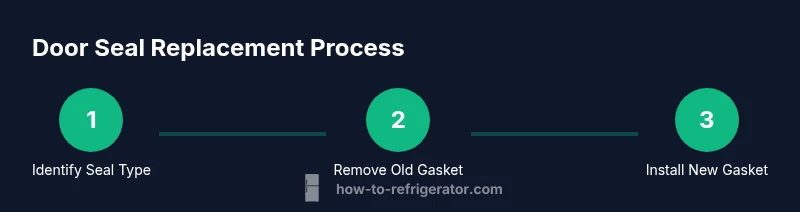
The How To Refrigerator team recommends taking a methodical approach: confirm compatibility, prepare the area, replace with care, and test thoroughly. A properly installed door seal on refrigerator should be nearly invisible when the door is closed and should hold temperature more consistently. By following this guide, homeowners can regain energy efficiency and reduce the risk of freezer burn or spoiled foods. The installation may vary slightly by model, but the core steps—identify, replace, seat, test—remain universal.
Wrap-up: a concise review of the process
Summary: identify the issue, select a compatible gasket, follow safe prep steps, install with attention to corners, test for leaks, and perform routine maintenance. This approach keeps your fridge efficient and extends its life, while saving money on energy costs over time.
Tools & Materials
- Replacement door gasket compatible with model(Check model number and door type before purchase; gasket length and groove shape must match)
- Flathead or Phillips screwdriver(Needed if screws hold the gasket in place or if you need to remove hinge cover screws)
- Measuring tape(Use to confirm gasket length and door thickness)
- Mild dish soap and warm water(For cleaning the groove and gasket surfaces)
- Soft cloth or microfiber towel(Dabs and dries surfaces without scratching the metal)
- Putty knife or plastic pry tool(Optional tool to help release a snap-in gasket without damaging the groove)
- Gloves (optional)(Protect hands from sharp edges during removal)
- Room-temperature gasket (if required by model)(Some gaskets become more pliable when warmed to room temp)
Steps
Estimated time: 60-120 minutes (plus up to 24 hours for full seating)
- 1
Power down and prepare
Unplug the refrigerator and remove any items from the door area. Detach shelves if necessary to access the gasket groove and avoid damage during removal.
Tip: Take photos of the door before removing any hardware to guide reassembly. - 2
Remove the old gasket
Gently pry the gasket from the door groove or unscrew any retaining screws. Do not force the gasket; avoid bending the door frame in the process.
Tip: Work from one corner and move along the edge to minimize tearing. - 3
Clean the groove
Wipe the groove with warm soapy water and a clean cloth. Rinse with plain water, then dry completely before installing the new gasket.
Tip: A dry groove ensures the new gasket seats evenly. - 4
Dry-fit the new gasket
Lay the new gasket against the door to check its fit around corners. Ensure there are no kinks and that the gasket sits evenly in the groove.
Tip: If the gasket is stiff, bring it to room temperature for easier maneuvering. - 5
Install the new gasket
Starting at the corners, push the gasket into the groove or secure with screws as required. Work slowly along the edge to ensure a continuous seal.
Tip: Avoid pinching the gasket; use your fingers to seat every segment fully. - 6
Reassemble and test
Reinsert any shelves and doors. Close the door firmly and perform a leak test (light or feel for air).
Tip: Perform a light test after a few minutes of closure—grease-free edges indicate proper seating. - 7
Let it settle and recheck
Allow the gasket to settle for up to 24 hours; recheck for light leaks or drafts at the door seam. If leaks persist, readjust seating or consult the model’s guidance.
Tip: Keep the door closed as much as possible for the first several hours to help seating.
FAQ
Will a bad door seal waste energy?
Yes. A damaged seal lets cold air escape, causing the fridge to run longer and use more energy to maintain temperature.
Yes. A damaged seal wastes energy by letting cold air escape, so the fridge has to work harder.
Do I need to unplug the fridge before replacing the gasket?
Yes, unplug the unit and remove items from the door area to prevent accidents and to work safely.
Yes, unplug the fridge before starting and clear the door area.
How do I know the new gasket fits my model?
Double-check the model number and door type, then confirm the gasket profile matches the groove. If in doubt, contact the manufacturer or retailer for confirmation.
Double-check your model number and door type to ensure compatibility with the new gasket.
Can I replace the gasket myself, or should I hire a technician?
Many homeowners can replace gaskets themselves with the right gasket and basic tools. If the door is misaligned or you encounter wiring or hinge issues, consider a professional.
DIY is usually fine for gasket replacement, but call a pro if you see hinge or electrical concerns.
What if the door still leaks after replacement?
Re-check seating, corners, and grooves. Sometimes the door needs minor adjustments or the gasket needs a few hours to settle.
If leaks persist, recheck the seating and give the gasket time to settle; adjust as needed.
Are there warranty considerations after a DIY gasket replacement?
DIY gasket replacement generally doesn’t void a warranty unless the work caused damage. Always check your appliance warranty terms.
DIY gasket replacement usually doesn’t void warranties, but verify terms for your model.
Watch Video
Top Takeaways
- Identify the correct gasket for your model
- Install slowly and test for leaks after installation
- Clean the groove before seating the new gasket
- Allow seating time and recheck the seal