Gasket on Refrigerator Door: DIY Fix Guide
Learn to diagnose, clean, and replace a gasket on refrigerator door to restore cold performance. This How To Refrigerator guide covers test methods, tools, step-by-step replacement, safety tips, and budgeting for a gasket that seals reliably.


You will learn how to diagnose a gasket on refrigerator door for leaks, clean and inspect the seal, and replace it if needed. The guide covers test methods, the exact tools to gather, an actionable step-by-step process, and safety tips to prevent further damage. By the end you’ll know when to repair, replace, or seek professional help.
Understanding Refrigerator Gaskets and Why They Fail
The gasket on a refrigerator door is more than a simple rubber ring; it acts as the first line of defense against warm air entering the fridge. A healthy gasket keeps cold air inside, reduces energy use, and helps maintain consistent temperatures that preserve food. Over time, gaskets can wear, crack, or warp due to regular opening, door misalignment, temperature fluctuations, or exposure to cleaners. When the seal isn’t tight, you may notice frost buildup, higher energy bills, or foods that spoil faster. According to How To Refrigerator analyses in 2026, homeowners report that gasket problems are a common source of poor cooling performance, especially on older models. Identifying a failing gasket early can save money on energy and avoid full door replacements. In this guide, we’ll focus on the gasket on refrigerator door, its role in efficiency, and practical fixes you can perform safely.
Common Causes of a Worn or Damaged Gasket
Gasket damage typically arises from physical wear (aging rubber loses elasticity), cracks or tears from rough handling, warping caused by heat exposure, or compression failure from repeated door trips. Improper alignment or a misadjusted hinge can cause the door to press unevenly on the gasket, allowing air to leak. Harsh cleaners can deteriorate rubber, making it brittle and less effective. Condensation on the inside edge may signal an imperfect seal. Regular condensation or frost near the gasket is a telltale sign of a seal issue. By understanding these culprits, homeowners can distinguish between a simple cleaning issue and a true gasket replacement need. In some cases, the entire door frame or hinge may contribute to sealing problems, requiring deeper inspection or professional service.
How to Check If Your Gasket Is Sealing Properly
A quick, practical test is the dollar-bill seal test: close the door with a dollar bill halfway inserted; if you can pull the bill out easily with the door closed, the gasket isn’t sealing properly. Do this test at multiple points around the door’s perimeter and check for air drafts. Inspect the gasket visually for cracks, tears, or sections that look compressed or deformed. Use a flashlight to look inside the gasket groove for debris or food residue that could prevent a tight seal. Measuring gasket width and ensuring the gasket sits flush against the door are essential checks. If you notice a gap that doesn’t close with gentle pressure, it’s likely time to repair or replace the gasket.
This section uses broad, general guidelines suitable for typical home refrigerators and is not model-specific. If your model has special mounting hardware or a nonstandard seal, consult the manufacturer’s instructions or a technician.
Cleaning and Maintaining the Gasket
A clean gasket seals better. Start by turning off the area around the door and removing any loose debris from the gasket and groove with a soft brush or cloth. Mix warm water with a small amount of mild dish soap, then wipe the gasket and door edge gently. Rinse with a clean cloth to remove soap residue, and dry completely to prevent mold growth. Inspect for cracks after cleaning; tiny cracks may be repairable with sealant designed for rubber, but bigger damage usually requires replacement. Avoid harsh chemicals or alcohol-based cleaners that can degrade rubber. If you are unsure about the chemical compatibility, test a small area first. Regular cleaning can extend gasket life and help maintain an energy-efficient seal.
Inspecting the Hinge and Door Alignment
Sometimes the seal fails due to door misalignment rather than gasket wear. Check that the door closes evenly along all edges; if one side sits higher or lower, you may need to adjust the hinge screws or shims. A misaligned door can compress the gasket unevenly, causing gaps. Tighten screws gradually, testing the seal after each adjustment. If the door still doesn’t align properly, inspect for bent hinges or warped mounting brackets. In some cases, the refrigerator may have settled over time, requiring professional adjustment to restore a proper seal.
When to Repair vs. Replace the Gasket
If the gasket shows surface cracks but still seals well after cleaning, you can consider a cosmetic repair; however, if the crack is deep or the rubber has lost elasticity, replacement is usually the better option. Puffy or stretched edges indicate the gasket has aged and no longer adheres to the door, resulting in leaks. If the gasket tears when you remove it or difficult to reattach, replacement is recommended. Compare the cost and effort of replace versus repair, considering the age of the refrigerator and its energy efficiency. In instances of extensive damage or warped doors, replacement of the entire door gasket assembly may be more cost-effective in the long run.
How to Replace a Refrigerator Door Gasket
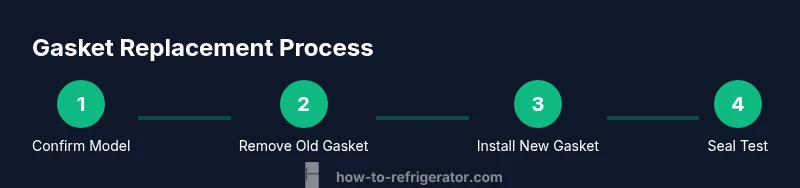
Replacing a door gasket starts with confirming the exact gasket model for your fridge. Remove the old gasket by turning off the fridge and carefully pulling it away from the door channel. Clean the channel to remove debris. Align the new gasket along the door edge, press it firmly into the channel, and work around the perimeter to ensure a snug fit. Some gaskets are held by screws or retainer strips, while others are friction-fit. If screws are present, loosen them just enough to install the new gasket, then re-tighten gradually to avoid bending the door. After installation, close the door gently and check for any gaps. A properly installed gasket should seal with minimal effort.
Re-Testing the Door Seal and Final Adjustments
After installing a new gasket, recheck the seal using the dollar-bill test at multiple points. If you still detect air leakage, rework the gasket alignment or adjust door hinges to ensure uniform pressure around the edges. Allow the door to settle for a few minutes and re-test; sometimes the gasket needs time to seat properly. If there are persistent leaks, consider additional adjustments to the door frame or hinge mounting, or call a professional for a precise alignment. Proper testing ensures you avoid repeated failures and preserve energy efficiency.
Safety, Tools, and Prep for DIY Gasket Work
Before you begin, unplug or disconnect power to the refrigerator to avoid any electrical hazards, especially if removing interior panels or manipulating components near wiring. Use the correct size gasket designed for your model and wear protective gloves to avoid skin irritation from rubber edges. Gather all necessary tools and have a clean workspace. Keep a labeled container for screws and small parts to avoid misplacing them. Finally, read your appliance’s manual for specific gasket installation notes and safety cautions. This prep helps ensure a smooth, safe repair.
Common Myths and Quick Fixes You Should Avoid
Many quick-fix tips—like applying tape or sealant to the gasket—offer temporary relief but do not address the root cause of a worn seal. Avoid using silicone-based sealants meant for other types of rubber; these can degrade the gasket over time. Do not force a misaligned door back into position without addressing hinge wear or door sag. Rely on model-specific guidance when available and consider professional help for complex problems such as warped doors or faulty hinges. Quick fixes can be enticing, but a proper gasket replacement is the most durable solution.
Cost, Time, and How to Budget for a Gasket Replacement
Budgeting for a gasket replacement involves considering the cost of the gasket itself plus potential labor or service charges if you hire a technician. Replacement gaskets vary in price depending on the model, size, and material quality, and installation time typically ranges from 30 minutes to 2 hours, depending on whether the gasket is simple to install or requires hinge and door alignment. If you’re comfortable with DIY, you can save on labor costs; However, if your fridge is under warranty, check whether door seal replacement is covered. How To Refrigerator’s 2026 analysis suggests planning for an additional 1-2 hours if you decide to inspect the door frame and hinges as part of the job.
Maintenance Schedule to Keep Gaskets Healthy
Set a regular maintenance routine to prolong gasket life. Inspect gaskets quarterly for signs of wear, clean them monthly, and reseal or replace as needed. Keep the door alignment checked annually, especially if you notice rising energy bills or frost buildup. Store food properly to minimize bulk opening that strains the seal. A proactive maintenance schedule can help sustain food safety, reduce energy use, and extend the life of the gasket on refrigerator door.
Tools & Materials
- Replacement refrigerator door gasket (correct size for your model)(Match model number; verify dimensions and mounting style before purchase)
- Screwdriver set(Phillips #2 for most door hinges; flathead for some retainer strips)
- Soft cloths and a mild dish soap(For cleaning gasket groove and door edge)
- Warm water(Gentle cleaning solution dilution)
- Plastic scraper or old credit card(To help ease gasket into the channel without tearing edges)
- Masking tape or painter’s tape(If you need to align hinge or hold gasket in place temporarily)
- Measuring tape or ruler(To confirm gasket length and door edge alignment)
Steps
Estimated time: 1-2 hours
- 1
Verify gasket model and order the correct part
Start by locating the fridge model number and checking the original gasket type. Confirm compatibility with the door design and hinge arrangement. Ordering the exact gasket now saves time and avoids mismatches later.
Tip: Double-check the model number on the inside wall or door jamb; this reduces the risk of receiving the wrong gasket. - 2
Disconnect power and prep the workspace
Unplug the refrigerator or switch off the circuit breaker to avoid any electrical hazards. Clear the area around the door and lay a soft tarp or towels to catch any debris. Remove items from the door shelves to prevent damage during gasket removal.
Tip: Use a flashlight to inspect the gasket groove before removal; note the orientation of the gasket for reinstallation. - 3
Remove the old gasket
Gently pull the gasket away from the door channel, working from one corner around the perimeter. If screws or retaining strips hold the gasket, loosen them just enough to free the seal without bending the door. Keep track of screws in a labeled container.
Tip: Do not force the gasket out; if it sticks, check for hidden fasteners or clips along the edge. - 4
Clean the gasket groove and door edge
Wipe the groove with warm soapy water to remove residue and old adhesive. Dry thoroughly to prevent mold growth. Check for deep cracks in the groove that could prevent a proper seal even with a new gasket.
Tip: If debris remains in the groove, use a wooden stick or plastic gently to avoid scratching the door surface. - 5
Prepare the new gasket for installation
Lay the new gasket flat at room temperature for several minutes before installation to relax the material. Check that the gasket’s straight edge aligns with the door edge. If the gasket has a foam insulation strip, ensure it sits evenly along the door edge.
Tip: If the gasket is stiff at first, warm it slightly with a hair dryer on low heat for a minute; avoid overheating. - 6
Install the gasket into the door channel
Starting at a corner, press the gasket into the channel or groove, working gradually around the entire door. If screws or clips are used, reinstall them loosely first to allow minor adjustments, then tighten securely. Ensure the gasket sits flush and that there are no twists or kinks.
Tip: Use the edge of a soft cloth to press the gasket into the channel to prevent tearing. - 7
Check alignment and hinge if needed
Close the door slowly to verify even contact around the edges. If you notice misalignment, slightly adjust hinge screws or the door position. Test multiple times to ensure the door closes with even pressure on all sides.
Tip: A small adjustment may make a big difference; avoid over-tightening hinges which can warp the door. - 8
Conduct a seal test after installation
Perform the dollar-bill test again and check for uniform resistance along the seal. If the bill slides out easily in any location, re-seat that section of the gasket. Make sure there are no gaps along the bottom edge where moisture might enter.
Tip: Test with a cell phone screen light to spot any gaps that aren’t visible under normal lighting. - 9
Reassemble and run a cooldown check
Plug the fridge back in and allow 30-60 minutes for the interior to reach normal temperatures. Re-check the seal after the interior has stabilized; a fresh seal should show minimal air leakage. Document any issues you observed during installation.
Tip: Keep a record of the installation date to guide future maintenance and potential replacement timing. - 10
Assess energy efficiency after replacement
Compare the current energy usage to typical baseline levels for your model. If you still see frost buildup or higher energy consumption, re-evaluate gasket seating or consider door frame issues. A well-seated gasket can substantially reduce energy costs over time.
Tip: Take photos of the seal overnight to compare against future sightings of leaks. - 11
Document maintenance and future plan
Record the installation details, parts used, costs, and any observed performance changes. Schedule periodic checks every 3-6 months, and plan to replace the gasket every 5-10 years depending on usage and model quality. This proactive approach keeps the fridge operating efficiently.
Tip: Set calendar reminders for gasket inspection to prevent energy waste. - 12
Know when to call a professional
If the door and gasket seem properly installed but the seal remains ineffective, suspect deeper issues such as warped door frames, hinge damage, or condenser issues. In these cases, a professional repair can prevent further damage and ensure safety.
Tip: Warranty status may cover seal replacements—check before paying out-of-pocket.
FAQ
What is the function of a refrigerator door gasket?
The gasket seals the fridge interior from warm air, maintaining cold temperatures and energy efficiency. A damaged gasket allows air leaks, frost, and uneven cooling.
The gasket seals the fridge to keep cold air in and energy costs down.
How can I tell if my gasket is worn out?
Look for cracks, tears, or a loose fit. Perform the dollar-bill test around the door; if the bill slides out easily, the seal may be failing.
Check for cracks or gaps and test the seal with a dollar bill.
Can I fix a gasket without replacing it?
Minor cleaning and reseating can restore some seals, but significant wear or warping usually requires replacement for a reliable seal.
Sometimes cleaning helps, but often you need a replacement for a solid seal.
How long does gasket replacement take?
DIY gasket replacement typically takes 30 minutes to 2 hours, depending on the model and hinge access.
Most DIY replacements take under a couple of hours.
Should I hire a professional for gasket issues?
If the door is warped or hinges are damaged, a professional service is recommended to avoid further damage and ensure proper alignment.
Consider a pro if the door alignment is off or hinges are damaged.
Will replacing the gasket save energy?
Yes. A tight seal reduces cold air loss, improving efficiency and potentially lowering energy bills over time.
A good seal helps the fridge use less energy.
Watch Video
Top Takeaways
- Inspect the gasket regularly for cracks and warping.
- Use the dollar-bill test to quickly verify seal integrity.
- Choose the correct gasket model; installation quality affects energy efficiency.
- Adjust door alignment if a seal issue persists after gasket replacement.