How to Fix a Refrigerator Door Gasket: Step-by-Step Guide
Learn how to inspect, clean, and replace a refrigerator door gasket to restore a tight seal, improve energy efficiency, and keep food fresh with our How To Refrigerator guide.


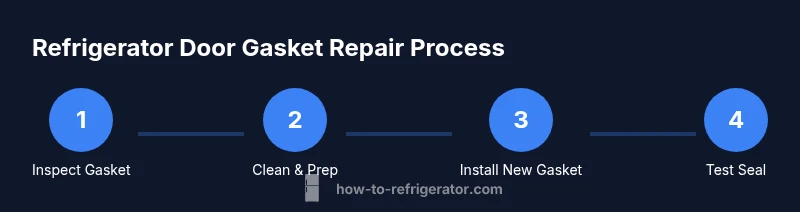
By addressing the refrigerator door gasket, you restore a tight seal, cut energy use, and prevent excess frost. The fastest path is to inspect the gasket for cracks, clean the surface, and replace worn sections or the whole gasket as needed. Follow a step-by-step approach to measure, remove, and install the correct gasket and re-test the door.
Why the refrigerator door gasket matters
A tight door gasket is essential for maintaining correct temperatures and energy efficiency. According to How To Refrigerator, a properly sealed door helps the fridge run efficiently and protects food quality. The gasket itself is the flexible seal around the door; when it becomes worn, deformed, or dirty, cold air leaks out and warm air leaks in. Over time, this forces the compressor to work harder, increasing energy use and potentially shortening the appliance's life. Regular inspection and timely maintenance of the gasket can help maintain a stable interior temperature and prevent frost buildup on the evaporator. In many homes, improving the door seal is a quick win for kitchen energy savings and comfort.
In this section, we’ll cover practical signs of a failing gasket, how to inspect it, and how to approach cleaning, repair, and replacement in a safe, homeowner-friendly way. The How To Refrigerator team emphasizes that most fixes are doable without professional service, provided you follow clear steps and safety precautions.
Common causes of gasket failure
Gasket failure is often not a single event but a combination of wear and use. Age and repeated temperature cycling can cause the seal to lose elasticity and curl away from the door frame. Dirt, food spills, and sticky residues reduce the gasket’s ability to seal cleanly. Physical damage such as cracks, tears, or deformation around the corners is another common cause. Harsh cleaners can degrade rubber over time, so mild cleaning solutions are recommended. Misaligned doors or sagging hinges from heavy loads can also compromise the seal. Lastly, frequent door openings and slamming can accelerate wear and invite frost or heat exchange at the seal. Regular inspection helps you catch these issues early and plan repair before a bigger problem arises.
How to inspect your refrigerator door gasket
Begin with a thorough visual check in good lighting. Look for cracks, tears, hardening, or pieces that have lifted away from the chassis. Run a flashlight along the gasket’s inner edge to spot subtle gaps. Use the dollar bill test: close the door with a dollar bill halfway tucked in; if you can pull it out easily at multiple points, the seal may be failing. Check all corners and along the full length of the gasket, including where the door aligns with the cabinet. Don’t forget to inspect the hinge area for sagging that could pull the door out of alignment. If you see any persistent gaps or the door doesn’t stay closed reliably, plan for cleaning or a gasket replacement as needed.
Cleaning and maintaining your door gasket
Cleaning is a simple, effective way to extend gasket life. Remove loose debris with a microfiber cloth, then wash with warm water and a small amount of mild dish soap. Rinse with a clean cloth and dry thoroughly to prevent mold. Avoid caustic cleaners, solvents, and abrasive tools that can wear down the rubber. After cleaning, inspect for any remaining stiffness or cracks. Even when a gasket looks fine, a light application of a gasket conditioner or silicone spray (sparingly) can help restore flexibility; use only products recommended for rubber seals. Regular maintenance, such as cleaning every few months and addressing minor wear early, helps preserve a good seal over time.
Replacing a door gasket: when and how
If the gasket shows cracks, tears, significant deformation, or won’t seal despite cleaning, replacement is often the best option. Start by removing the old gasket from its channel, then measure its length to ensure you buy the correct size. Install the new gasket starting at the top center and work your way around, pressing firmly into the channel to seat it evenly. Re-check corners and areas near hinges, ensuring the gasket sits flat with no bunching. After installation, close the door and perform the dollar bill test again at several points to confirm a proper seal. If the door rubs or won’t align after installation, hinge leveling or door alignment might be necessary. Allow the gasket to settle for a few hours and re-test.
Choosing the right gasket: sizes, compatibility
Gasket compatibility depends on your fridge model. Always match the gasket with the exact model number or part number; this information is usually printed on a sticker inside the refrigerator or on the old gasket itself. Decide between OEM (original equipment manufacturer) and aftermarket options based on price, availability, and warranty considerations. Confirm the gasket cross-section and thickness, as well as the mounting method (snap-in vs. screw-in). Some gaskets require a brief heat-softening step with a hair dryer to ease installation. When ordering, check the return policy in case the fit isn’t perfect.
Preventive maintenance and long-term care
To extend gasket life, perform regular cleanings and check the seal every few months. Keep the door aligned; if the door seems to rub or skim against the frame, adjust hinges or the door alignment screws as needed. Minimize aggressive cleaning, which can wear rubber, and avoid over-tightening screws in the hinge area, which can distort the door. Store items away from the door edge to reduce pressure on the gasket and prevent deformation. By keeping the gasket clean and the door properly aligned, you reduce energy waste and prolong the life of the fridge.
Troubleshooting tips and common mistakes
Do not force a gasket into a damaged channel or use tools that could gouge the rubber. Avoid harsh chemicals and bleach on rubber seals. If the door still doesn’t seal after cleaning and replacement, re-check the gasket seating and door alignment, as a misaligned door is a common culprit. Don’t skip testing corners after installation, since a hidden gap can be enough to cause leaks. If in doubt, consult a professional, especially for models with complex hinges or integrated ice makers.
Tools & Materials
- Replacement refrigerator door gasket (exact size/model)(Order by model number or gasket part number; check model inside fridge or owner’s manual.)
- Plastic trim removal tool or plastic card(Use to loosen gasket channels without scratching.)
- Screwdriver set (Phillips #2 and flathead)(For hinge screws or frame fasteners.)
- Measuring tape(To confirm gasket length and door dimensions.)
- Mild dish soap and warm water(For cleaning dirt and residue.)
- Soft microfiber cloths(For cleaning and drying surfaces.)
- Hair dryer (optional)(Warm the gasket for easier installation.)
- Isopropyl alcohol or vinegar solution (optional)(Use for stubborn residue in crevices.)
- Soft brush or old toothbrush (optional)(Scrub tight corners and grooves.)
Steps
Estimated time: 45-75 minutes
- 1
Inspect the old gasket
Visually inspect the gasket for cracks, tears, stiffness, or obvious deformation. Note any areas of the seal that pull away from the door frame. This helps you decide if cleaning will fix the issue or if replacement is needed.
Tip: Take a photo of the gasket in good light to guide matching replacement parts. - 2
Gather tools and prepare the area
Collect all required tools and place a towel along the bottom of the fridge to catch any debris. Ensure the fridge is unplugged or powered down if you’ll be working near electrical components or fans. Clear space around the door to work safely.
Tip: Have a helper hold the door if it’s heavy during gasket removal. - 3
Remove the old gasket
Gently pull the gasket away from the channel. Use the plastic card or trim tool to work along the seam and release any clips or fasteners without tearing the seal. Keep track of screws or fasteners in case you need to reuse them.
Tip: Do not pry aggressively; small motions around the corners reduce risk of damage. - 4
Clean the gasket channel
Wipe the channel with warm soapy water, removing old adhesive residue and dust. Rinse with a clean cloth and dry completely. A clean channel helps the new gasket seat evenly.
Tip: For stubborn grime, use a soft brush and a mild cleaner. - 5
Install the new gasket
Start at the top center and press the gasket into the channel around the door. Work steadily around the perimeter, ensuring corners seat flat and there’s no visible gap. If needed, warm the gasket slightly with a hair dryer to ease installation.
Tip: Press firmly along the entire edge to ensure a good seal. - 6
Test the seal and adjust
Close the door and perform the dollar bill test at multiple points around the door. If the bill pulls out easily at any location, reseat that section or adjust hinges if necessary. A proper seal should resist easy removal and be consistent around the door.
Tip: Repeat the test after any minor reseating for accuracy. - 7
Final checks and acclimation
Let the gasket settle for a few hours and monitor the door for any misalignment. Check that the door closes smoothly without rubbing and that the interior temperature remains stable. Reinstall any removed components and tidy the area.
Tip: Keep a small checklist to ensure you don’t miss a step.
FAQ
How do I know if the door gasket is faulty?
Look for visible damage such as cracks or tears, or a seal that won’t stay closed. Use the dollar bill test at multiple points around the door to confirm if air leaks are present. If the door won’t stay closed or temperatures rise, the gasket is likely faulty.
If you see cracks or can’t keep the door closed, you probably need to replace the gasket.
Can I repair a cracked gasket with sealant or adhesive?
Temporary fixes with sealants are not reliable for a door gasket. Cracks usually indicate replacement is the safer and longer-lasting option. If in doubt, consult the manufacturer’s guidance or a repair professional.
Sealants aren’t a reliable fix for cracks; replacement is usually best.
Is it safe to DIY replace a refrigerator door gasket?
Yes. Replacing a gasket is a common DIY project for homeowners with basic tools. Follow manufacturer instructions, disconnect power if needed, and handle doors carefully to avoid injury or damage to the unit.
Yes, it’s usually a DIY task if you’re careful and follow the steps.
How long does a new gasket last with proper care?
Lifespan varies with usage, climate, and maintenance. With regular cleaning and proper installation, a gasket can last for several years in typical household use.
With good care, a gasket can last for several years.
What affects the cost of replacing a refrigerator door gasket?
Costs depend on model compatibility, OEM versus aftermarket options, and whether you replace it yourself or hire a technician. Prices vary with these factors, so evaluate options before purchasing.
Cost varies by model and whether you DIY or hire a pro.
Watch Video
Top Takeaways
- Inspect the gasket for wear before cleaning or replacing
- Clean the channel and gasket surfaces to restore a seal
- Replace worn gaskets to restore efficiency and prevent leaks
- Test the seal at multiple points around the door
- Ensure proper door alignment after installation to maintain long-term performance