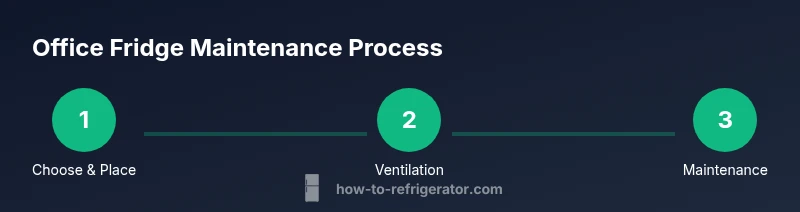
Office Refrigerator Setup and Maintenance: A Practical Guide
Learn how to set up and maintain a refrigerator office that runs quietly, stays cool, and keeps staff stocked. This guide covers selection, placement, safety, organization, and a simple maintenance routine.


Goal: Set up a dedicated refrigerator office that runs quietly, stays within safe temperatures, and remains organized. You’ll learn how to select a compact model, position it for proper airflow, connect to a safe outlet, manage daily use, and implement a simple cleaning and defrost routine to minimize downtime. These steps help prevent spoilage, reduce energy waste, and keep the workspace hygienic.
Why a dedicated refrigerator office matters
A refrigerator in the office isn’t just about beverages; it supports lunch storage, medicine keeping, and even meal-prep for busy teams. A purpose-built, office-friendly fridge reduces trips to shared break rooms, minimizes cross-contamination, and helps you control the environment around sensitive items. The How To Refrigerator team notes that a properly sized and placed office fridge can improve productivity by keeping perishables within easy reach and reducing lunchtime delays. In addition, a dedicated unit often operates more predictably than a borrowed appliance, which translates to fewer interruptions during important work blocks. When you’re designing a refrigerator office, focus on quiet operation, reliable temperature control, and easy cleaning access to maintain a professional workspace.
How to choose a compact, office-friendly fridge
Choose a compact model that fits your available space without crowding walkways or creating cramped corners. Look for a unit with a small footprint, adjustable shelves, and a simple control panel that’s easy to read from a standing position. Energy efficiency matters in an office setting because it directly affects operating costs and indoor air quality. Prioritize models with low noise output, good door seals, and reliable compressors. If you need frost-free operation, verify whether the model has auto-defrost to minimize manual maintenance. Shortlisting options based on size, noise, and energy use helps ensure the fridge blends into the office environment rather than dominating it. The office refrigerator should feel like a functional part of the workspace, not an afterthought.
Placement and ventilation for office fridges
Place the fridge on a stable, level surface with clearance around the sides and back for air circulation. Avoid heat sources like radiators, stoves, or direct sunlight, and don’t block any vents or the toe-kick area. A well-ventilated unit runs more efficiently and lasts longer, which is important for a busy office where the appliance runs many hours per day. If possible, position the fridge near a charging station or pantry to minimize clutter and accidental spills. Periodically check the vents for dust buildup and vacuum them as part of a quarterly maintenance routine. Proper placement also reduces noise transmission into the main workspace and keeps the appliance out of high-traffic zones.
Safety and power considerations
Use a dedicated, grounded outlet for the fridge to prevent circuit overloads and nuisance tripping. If you must share a circuit, ensure the branch circuit isn’t overloaded and avoid running high-draw appliances on the same outlet. Consider a Ground Fault Circuit Interrupter (GFCI) outlet if the fridge is near a sink or beverage preparation area. Keep cords out of traffic paths and use a cord protector if the floor surface is bumpy. Do not use extension cords as a long-term solution; they can overheat and create a fire hazard. Regularly inspect the plug and cord for signs of wear and replace components as needed to protect staff and equipment.
Organizing inside the fridge
Create a simple labeling system and group items by category (breakfast, lunch, beverages, medicines). Use clear bins or shelf organizers to maximize space and prevent cross-contamination. Place frequently used items in the front or at eye level to avoid rummaging, which can lead to spills or failures in temperature control. Avoid overfilling the shelves, which can obstruct airflow and create uneven cooling. Rotate items so older items stay at the front, reducing waste. By keeping the interior organized, staff spend less time searching for items and more time being productive.
Maintenance and cleaning routines
Develop a lightweight cleaning protocol: wipe shelves with a mild sanitizer weekly, check door seals monthly for cracks or gaps, and remove any spoiled items immediately. Vacuum the condenser coils every few months if accessible, since dirty coils can raise energy use and reduce cooling efficiency. Keep a small kit handy (lint-free cloths, mild cleaners, a thermometer) to perform quick checks between regular cleanings. A straightforward routine reduces the risk of odor buildup and ensures the fridge continues to perform well in a professional setting. Consistency is key to keeping the appliance reliable and safe for all staff.
Defrosting and frost management
If your model is manual-defrost, plan a quarterly defrost cycle to prevent excessive frost build-up, which can impede airflow and cooling. For auto-defrost models, periodic checks are still needed to ensure defrost timers and drainage channels remain clear. During defrost, remove all items and temporarily relocate them to another cold area, then follow the manufacturer’s instructions to melt the ice safely. After defrosting, wipe the interior dry and resume normal operation. Regular maintenance helps preserve energy efficiency and prolongs the fridge’s lifespan in a busy office environment.
Energy efficiency and cost considerations
Office fridges should balance capacity with energy consumption. Smaller units typically consume less energy, especially when kept well-organized and not constantly opened. Favor models with adjustable thermostats, humidity-controlled bins, and door-ajar alarms if available. Even modest energy savings add up in a busy office, so compare models based on their standby power and annual energy estimates rather than just the upfront price. Implementing a routine like turning the fridge off during extended shutdown periods (e.g., weekends) can reduce energy use without sacrificing food safety when staff return.
Common office fridge issues and quick fixes
Not cooling or warm sections may indicate dirty coils, a blocked vent, or a faulty thermostat. Leaking water can be caused by a blocked defrost drain or door seal problems. A loud hum or vibration often points to improper leveling or a loose compressor cover. Check door seals for wear, test the thermostat, and clean coils when these issues arise. If a problem persists after basic checks, schedule a technician visit rather than attempting risky repairs. Early intervention minimizes downtime and protects stored items.
What to do when problems persist
If your office fridge continues to underperform after basic troubleshooting, document the symptoms and maintenance performed, then contact a repair service. Rely on a trusted provider with experience in residential-grade appliances used in a commercial environment. Keep a service log and set expectations for downtime and replacement parts. For ongoing issues, evaluate whether the current model meets the office’s load and noise requirements; if not, consider upgrading to a unit better suited for continuous use and busy break rooms.
Tools & Materials
- Compact refrigerator (office-friendly, quiet model)(Under-counter or apartment-size; low decibel rating preferred)
- Dedicated grounded outlet(On its own circuit if possible; GFCI near sink area)
- Thermometer or fridge-friendly thermometer(Place inside to monitor temperature consistently)
- Shelf organizers or bins(Keeps items tidy and air circulating)
- Leveling tool (spirit level)(Ensures stable placement and reduces vibration)
Steps
Estimated time: 60-90 minutes
- 1
Verify outlet and space
Check that the chosen location has a dedicated grounded outlet and enough clearance to allow airflow around the back and sides. Measure the footprint of the fridge and compare it to the available space, ensuring at least a few inches of breathing room. This prevents overheating and allows coils to vent heat effectively.
Tip: Use a level to confirm the fridge sits evenly; an uneven surface increases vibration and wear. - 2
Position the fridge for airflow
Place the fridge away from heat sources and direct sunlight. Keep it away from the edge of counters or doors that swing open toward the unit, which can bump the door and cause spills. Ensure there is unobstructed space in front for the door to open fully.
Tip: Leave at least a couple of inches of clearance on all sides to maintain airflow and reduce noise. - 3
Plug in and test cooling
Plug in the unit and set its thermostat to a mid-range setting. Allow the fridge to stabilize for several hours before loading items. Confirm that the compressor cycles normally and no unusual noises occur.
Tip: Avoid loading items immediately; give the system time to reach a stable temperature. - 4
Set temperature range and load groceries
Use the mid-range thermostat setting for new installations and monitor for a few days to confirm stable cooling. Organize items by type and ensure meat and dairy have dedicated shelves to prevent cross-contamination. Label and rotate foods to maintain freshness.
Tip: Keep a simple inventory list on the door to track items and their expiry dates. - 5
Create a maintenance schedule
Establish a routine for weekly quick cleanups and monthly checks of seals, shelves, and coils. Designate a staff member to log issues or unusual noises so you can address problems quickly. Consistency reduces the chance of unexpected downtime.
Tip: Set calendar reminders and attach a short checklist for quick daily/weekly tasks. - 6
Document issues and plan escalation
If you notice persistent cooling issues, document symptoms, steps taken, and the model’s data. Contact a repair service with this history to shorten diagnosis time and minimize downtime. Reassess whether the unit meets current office needs if problems recur.
Tip: Keep a service log near the fridge for rapid reference during troubleshooting.
FAQ
What size fridge should I use in an office?
Select a compact, office-friendly model that fits the available space and minimizes noise. Consider staff needs and the amount of perishable items stored.
Start with a compact model that fits your space and isn’t noisy.
Is a dedicated outlet necessary for an office fridge?
Yes. A dedicated, grounded outlet reduces overload risk and prevents tripping circuits. If near water, use a GFCI outlet for safety.
Yes—use a dedicated grounded outlet, preferably on a GFCI if near a sink.
How often should I defrost a fridge in the office?
Auto-defrost models require little manual defrosting. Manual defrost units should be defrosted according to the manufacturer’s guidance and when frost builds up.
Auto-defrost needs little manual work; manual defrost when frost builds up.
How can I reduce fridge noise in an office?
Choose a low-noise model and ensure the unit is level. Use vibration-absorbing pads if needed and keep it away from heavy traffic or seating areas.
Pick a quiet model and ensure it sits level to minimize noise.
What should I do if the fridge isn’t cooling?
Check that vents aren’t blocked, the door seals are intact, and the thermostat is set correctly. If issues persist, contact a repair service with the model details and symptoms.
Check vents, door seals, and thermostat first; call for service if it still won’t cool.
Can an office fridge be used in a small kitchen instead?
Office fridges are designed for workspace use; they’re typically smaller and quieter than kitchen models. If the space doubles as a kitchen area, ensure the unit still meets load and noise requirements.
Office fridges are designed for deskside use and quiet operation; consider space needs.
Watch Video
Top Takeaways
- Choose a compact, quiet fridge with good airflow.
- Place the fridge away from heat and ensure proper ventilation.
- Organize items to prevent spoilage and optimize cooling.
- Establish a simple cleaning and defrost routine.
- Document issues and escalate when needed.