Little Refrigerator Troubleshooting and Repair Guide
Learn practical, safe steps to troubleshoot a little refrigerator, covering door seals, coils, thermostat settings, defrosting, and maintenance to restore cooling.


If your little refrigerator isn’t cooling, you can troubleshoot common causes in minutes: inspect door seals for gaps, clean condenser coils, verify the thermostat setting, and listen for unusual noises. This quick guide shows practical, home-safe steps to restore cooling, reduce frost buildup, and extend appliance life without expensive service calls.
Understanding the Little Refrigerator in Your Kitchen
A little refrigerator, often called a compact or apartment fridge, is designed to occupy small footprints while delivering dependable cooling for beverages, snacks, and compact meals. Despite a smaller interior, these units share core components with full-size models: a compressor, condenser coils, evaporator, thermostat, and fans. The key differences are interior layout, insulation, and defrost cycles. For homeowners, recognizing these basics helps you diagnose why a fridge isn’t cooling as expected. When you see the term little refrigerator in guides like this, think about how its size affects airflow, frost buildup, and cycle times. According to How To Refrigerator, compact models rely on consistent airflow and clean coils to maintain even cooling. As you troubleshoot, keep a simple log of what you check and what changes you observe.
This guide is crafted to empower homeowners with clear, actionable steps—no special tools required for common fixes.
Diagnosing Cooling Problems in a Small Fridge
If a compact fridge runs but doesn’t stay cold, start with a quick symptoms check. Common issues include door seals that leak air, blocked vents that restrict airflow, frosty coils from frequent opening, and thermostat misadjustments. Less obvious culprits can be improper leveling, overloading, or placing hot foods inside. In many cases, the solution is simple maintenance rather than a full repair. By focusing on the most likely causes first, you can recover cooling quickly and prevent further frost buildup. How To Refrigerator emphasizes a patient, methodical approach to avoid unnecessary disassembly.
Remember: each small fridge is unique. A gentle, step-by-step process tailored to your model yields the best results without risking damage.
Safe Visual Checks You Can Do (No Tools Required)
Begin with non-invasive inspections. Look for obvious signs of wear on the door gasket—cracks, loose corners, or gaps where air escapes. Check the exterior for warmth near the compressor housing, which might indicate an overload or blocked ventilation. Inspect interior vents for obstructions from bulky containers, ensuring air can circulate. If you notice frost buildup in the freezer area or around the evaporator, note that this can indicate humidity ingress or a faulty defrost cycle. These checks are easy to perform and often point to the right fix without taking the appliance apart.
Cleaning and Regular Maintenance for Longevity
Regular maintenance keeps a little refrigerator operating efficiently. Remove shelves and wipe down interior surfaces with a mild soap solution, then rinse and dry. Use a condenser coil brush or a soft brush to remove dust from exterior coils; a vacuum can help remove stubborn debris. Clean the door gasket with a gentle wipe to remove residue that could hamper sealing. Periodically clear the interior vents and ensure there is space around packaged items to prevent blocking airflow. Keeping a simple cleaning schedule can dramatically reduce the risk of efficiency loss over time.
Defrosting, Frost Management, and Ice Control
Frost buildup is a common issue in compact fridges, especially in humid climates or with frequent door openings. If you notice thick frost, consider defrosting in a safe, controlled manner. Unplug the unit, remove perishable items, and allow ice to melt at room temperature on a towel. Do not use sharp tools to scrape ice or operate the appliance while disassembled. After defrosting, wipe dry and reassemble. A properly defrosted freezer helps the evaporator function more efficiently and can improve cooling overall.
Airflow and Interior Organization for Best Performance
Proper airflow is essential for even cooling. Place items so air can circulate around the interior; avoid packing tightly around the vents. Keep the back area of the fridge clear to prevent overheating of the motor and compressor. Use sturdy shelf organizers to optimize space and maintain consistent air paths. An uncluttered interior reduces the need for excessive cooling cycles, saving energy and reducing wear on components.
A Practical Troubleshooting Flow: Quick, Doable Steps
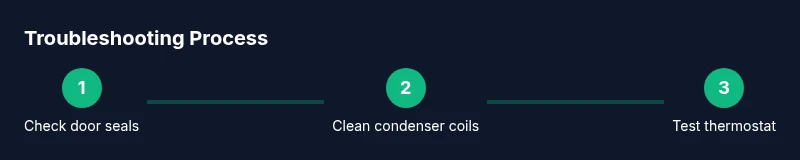
- Check the door gaskets for leaks and reseal if needed. 2) Inspect interior vents and clear obstructions. 3) Clean condenser coils and ensure the unit is not dusty. 4) Verify thermostat setting is appropriate (not too warm). 5) Test with a fridge thermometer after reassembly. 6) If still not cooling, reassess placement and power supply. This flow focuses on small, repeatable actions that prevent minor issues from becoming bigger problems.
When to Call a Professional and What to Expect
If your little refrigerator remains warm or cold only intermittently after basic maintenance, professional help may be warranted. Electrical faults, compressor problems, or sealed system leaks require skilled service. Before calling, note the model number, age, and a brief history of the issue. A technician can diagnose refrigerant leaks, electrical faults, or motor problems and provide a repair estimate. If the unit is older or inefficient, professional guidance can help you decide whether repair or replacement offers better value.
Safety First: Warnings and Best Practices
Always unplug the fridge before cleaning or maintenance. Wear gloves when handling coils or sharp metal edges. Do not pour water into electrical components or use aggressive cleaners. If you suspect a refrigerant leak or electrical fault, avoid attempting to repair and contact a qualified technician. By following basic safety rules, you minimize the risk of injury and prevent further damage to the appliance.
Tools & Materials
- Phillips head screwdriver(Use for removing access panels on some models)
- Flathead screwdriver(Optional for prying if needed)
- Nut driver (size appropriate)(May be needed for some door hinges)
- Condenser coil brush(Gentle bristles to avoid coil damage)
- Vacuum with brush attachment(Capable of cleaning loose dust)
- Soft cloths (lint-free)(For interior wiping)
- Mild dish soap(For interior cleaning as needed)
- Thermometer (fridge-safe)(Check internal temperature accurately)
- Replacement door gasket (optional)(If you notice air leaks)
- Gloves (rubber or nitrile)(Protect hands during maintenance)
Steps
Estimated time: 45-90 minutes
- 1
Unplug and prep
Power off the unit and unplug from the outlet. Remove perishable items and prepare a safe workspace. This first step reduces shock risk and sets the stage for safe inspections.
Tip: Always unplug before any cleaning or disassembly. - 2
Check door seals for gaps
Inspect the gasket around the door for cracks, tears, or misalignment. A leaky seal lets warm air enter and can prevent proper cooling.
Tip: Run your finger along the gasket and feel for air leakage when the door is closed. - 3
Clean condenser coils
Locate and gently brush away dust from exterior coils. Dirty coils reduce cooling efficiency and can cause the compressor to work harder.
Tip: Use a low-suction vacuum or brush; avoid bending delicate fins. - 4
Verify thermostat settings
Ensure the thermostat is not set too high. A typical range for cooling is cool but not freezing; adjust gradually and recheck after a short period.
Tip: If you have a digital control, note the current setting before changing it. - 5
Ensure proper airflow inside
Arrange items so air can circulate; avoid overfilling shelves and blocking vents. Poor airflow is a common cause of warm temperatures.
Tip: Leave some space around containers and avoid stacking on the vents. - 6
Defrost if necessary
If you detect thick frost, defrost safely by unplugging and allowing ice to melt. Do not use metal tools to remove ice or operate the unit while disassembled.
Tip: Lay towels to absorb melting ice and wipe dry before reassembling. - 7
Test temperature
Plug back in and wait for the unit to reach a stable temperature. Use a fridge thermometer to verify the cooling level after a short run.
Tip: Record the temperature reading for future reference. - 8
Plan next steps if cooling remains poor
If temperatures don’t improve after these checks, reassess placement, power supply, and potential mechanical issues. Consider professional assessment if the issue persists.
Tip: Document symptoms and steps taken to share with a technician.
FAQ
Why isn’t my small fridge cooling?
Common causes include a faulty door seal, obstructed vents, frost buildup, or a misadjusted thermostat. Start with the basics: check seals, clear vents, and verify the thermostat.
Most small fridge cooling problems come from seals, vents, or thermostat settings. Start with the basics and proceed step by step.
How do I defrost a frost-filled compact fridge?
Unplug the unit, remove food, and allow ice to melt on a towel. Do not use sharp tools or plug the fridge back in until fully dry.
Unplug, remove items, let ice melt safely, then dry before reconnecting.
Is it safe to DIY repair a fridge?
Basic maintenance and cleaning are safe for most homeowners. For electrical faults or refrigerant concerns, consult a licensed technician.
DIY is fine for simple tasks, but electrical or refrigerant issues need a pro.
How often should I clean the condenser coils?
Clean coils as part of a regular maintenance routine, typically every 6-12 months, depending on usage and environment.
Clean coils a few times a year, especially if you notice reduced cooling efficiency.
What if my fridge runs but isn’t cold enough after checks?
Re-check the thermostat, ensure proper airflow, and inspect for frost. If unresolved, there may be a compressor or seal issue requiring professional diagnosis.
If it still isn’t cold, there might be a compressor or seal problem that needs a pro.
When should I replace a tiny fridge?
Consider the age, repair cost, and energy efficiency. If repairs exceed a practical portion of a new unit’s price or energy savings, replacement is wiser.
If it’s old or costly to fix, replacement might be best.
Watch Video
Top Takeaways
- Check door seals first and fix leaks.
- Clean condenser coils regularly for efficiency.
- Use a thermometer to verify proper cooling.
- Avoid overloading shelves to maintain airflow.
- Know when to call a professional for electrical issues.