Appliances Refrigerator Repair Guide: DIY Troubleshooting
Learn practical, homeowner-friendly steps to diagnose and fix common refrigerator problems. This guide covers power checks, seals, airflow, condenser maintenance, and when to call a pro.


This guide helps homeowners diagnose and fix common appliance refrigerator issues by following a step-by-step process, checking power, seals, airflow, and condenser cleanliness. You’ll learn safe testing methods, when to reset or replace components, and how to prevent future problems. This approach emphasizes preventative maintenance, proper tool use, and identifying signs that require a professional repair.
Common Refrigerator Issues and Quick Diagnostics
According to How To Refrigerator, the most common problems with appliances refrigerator involve not cooling, frost buildup, noisy operation, leaks, or moisture. By starting with safe checks and simple tests, you can identify whether the issue is electrical, thermodynamic, or airflow related. This section outlines the typical symptoms, plausible causes, and a diagnostic flow you can follow before deciding on any repair. We will cover not only not cooling, but also frozen coils, warm air from vents, and unusual odors, with practical steps you can take today.
Key symptoms to note as you begin:
- Not cooling or warm sections, which may indicate thermostat or compressor issues.
- Excessive frost in freezer, suggesting defrost or door-seal problems.
- Unusual noises (buzzing, humming, ticking) that point to fan or compressor components.
- Water leaks or damp ceiling near the fridge, hinting at drainage or gasket concerns.
- Bad odors, often a sign of spoiled food or mold growth from poor airflow or drainage.
This block sets the stage for a structured diagnostic flow you can perform safely. It emphasizes that most fixes are straightforward once you isolate the subsystem (power, seals, airflow, coils) and that complex electrical work should be handled by a professional. Remember, safety first and always unplug before inspecting electrical components.
Safety First: Power, Ventilation, and Electrical Checks
Before you touch any internal parts, ensure you are operating safely. Disconnect power by unplugging the unit or flipping the dedicated breaker. If you must test outlets, use a simple lamp or a multimeter set to a voltage range you know. Confirm the outlet is grounded and not shared with high-load devices that might cause voltage drops. When you reapply power, listen for the compressor start and note if the motor runs continuously or cycles normally. If you notice frequent trips, burns, or smells like burnt plastic, stop immediately and seek professional service. This step protects you from electrical shock and prevents further component damage. If your model has a dedicated on/off switch for defrost or internal fans, ensure it is in the correct position as a quick troubleshooting measure.
What to test:
- Outlet voltage: 110-120V in most regions, checked with a multimeter or a lamp test.
- Breaker status: No tripped breakers when the fridge is plugged in.
- Visible wiring: Look for loose connections, melted insulation, or scorch marks only after power is removed.
Pro tip: Always have a dry, non-conductive surface and wear protective gear when handling electrical components. This minimizes risk and keeps you on the right side of safety guidelines.
Temperature Control: Not Cold vs Not Cool vs Freezer Issues
Temperature control is the heart of any refrigerator’s performance. If the fridge is not cooling, you must first verify that the temperature setting is appropriate and stable. Most residential fridges perform best around 37-38°F (3-3°C) in the main compartment and 0°F (-18°C) in the freezer. If temps drift, focus on the thermostat, damper controls, and airflow. Start by moving the thermostat to a mid-range setting and monitor for 24 hours. If temperatures remain high, inspect the damper (which controls cold air entering the fridge) and ensure it isn’t stuck open or closed, which can starve or flood the compartments.
When you observe frost-free operation, ensure the defrost cycle is functioning. A malfunctioning defrost timer or heater can cause frost buildup that blocks airflow and throws off temperatures. If you notice inconsistent cooling, track outdoor ambient temperatures as extreme heat or cold can influence compressor cycles. Always document temperature readings at multiple times of day to identify patterns.
For persistent problems, check door-open events and ensure gaskets seal properly, as small air leaks can significantly affect temperature stability. A tight seal reduces moisture ingress and stabilizes interior temperatures.
Door Seals, Gaskets, and Airflow
Door seals are the first line of defense against warm air exchange. A compromised gasket allows humid air to infiltrate, causing frost and higher energy use. A quick seal test involves closing the door on a dollar bill or a piece of paper; if you can pull it out easily with the door closed, the gasket is not sealing properly and needs replacement or adjustment. While inspecting seals, look for tears, cracks, or deformities in the gasket material. If gaps persist after cleaning, you may need to reseal or replace the gasket. Inside the fridge, ensure vents are clear and that shelves or containers aren’t obstructing air channels. Blocked airflow can create hotspots that alter temperature distribution, leading to cold spots and condensation.
Maintenance tip: Clean gaskets with mild detergent and warm water; avoid solvents that degrade rubber. When replacing, choose genuine or compatible gaskets designed for your model. A properly sealed door and clear airflow keep the interior temperature stable and reduce the load on the compressor.
Condenser Coils: Cleaning for Efficiency
Dirty condenser coils reduce cooling efficiency and force the compressor to work harder, increasing energy use and wear. Coils are typically located at the back or beneath the fridge, sometimes behind a grille. Regular inspection and cleaning every 6-12 months can dramatically improve performance. Begin by unplugging the fridge, then carefully vacuum dust from the coils with a brush attachment. A soft brush can dislodge stubborn debris without bending coil fins. If you see stubborn grime, wipe gently with a damp cloth and let the coils dry before reassembling.
After cleaning, run the fridge for 24 hours and monitor interior temperatures and energy noise. A reduction in noise and more stable temperatures often indicates successful cleaning. If you cannot access the coils safely, or if the coils are significantly damaged, contact a professional technician.
Defrost System: When and How to Defrost
Frost buildup is a common culprit for not cooling and airflow disruption. If you notice heavy frost or ice buildup on evaporator coils, your defrost system may be malfunctioning. Defrost timing is controlled by a timer, a defrost heater, and a defrost thermostat. If frost persists beyond the normal defrost cycle, manual defrost may be necessary as a temporary measure. To manually defrost, unplug the unit and leave the doors open in a controlled environment for several hours, placing towels to catch water. Reconnect power and monitor performance.
Constant frost indicates a possible door seal leak, defrost timer failure, or heater fault. A professional should verify electrical components and confirm that the defrost cycle is advancing and terminating correctly.
Note: Do not use sharp tools to remove thick ice; this can damage evaporator lines.
When to Repair vs Replace: Reading the Signs
Deciding between repair and replacement depends on the age of the appliance, the frequency of problems, and the cost of parts and labor. If your unit is over 8-10 years old and requires multiple major components (compressor, sealed system, evaporator) within a short period, replacement may be more economical in the long run. For newer models or those under warranty, professional repair is often preferable to preserve performance and efficiency. When budgeting repairs, consider energy efficiency gains from newer models; modern fridges use significantly less energy and can reduce operating costs over time.
If you’re unsure, obtain a written quote from a reputable service provider and compare it to the cost of a replacement unit with similar capacity and features. The decision should balance reliability, safety, and total cost of ownership.
Preventative Maintenance Plan for Appliances Refrigerator
A proactive maintenance plan helps prevent most common problems and extends the life of your refrigerator. Create a simple calendar with reminders for cleaning coils, inspecting gaskets, and testing temperature settings. Schedule a thorough interior clean every 3-6 months and a coil cleaning every 6-12 months. Keep a log of observed issues, temperatures, and any noises. Use this data to identify patterns and mitigate recurring problems.
Recommended regimen:
- Monthly: Check door seals, clean interior shelves, and wipe condensation.
- Quarterly: Inspect condenser coils and clean if dusty.
- Semi-annually: Test thermostat accuracy and perform a quick defrost check if frost appears.
- Annually: Schedule professional inspection for refrigerant levels and sealed system integrity.
By following a structured maintenance plan, you’ll minimize surprises and maintain optimal performance for your appliances refrigerator.
Common Mistakes to Avoid During DIY Repairs
DIY repairs carry risk if you skip safety steps or attempt tasks beyond your skill level. Avoid these common errors:
- Ignoring unplugging and locking out power before touching any components.
- Using metal tools that can puncture refrigerant lines or damage coils.
- Over-tightening fittings or misconnecting wires during reassembly.
- Assuming all noises indicate a single problem; many sounds have multiple causes.
- Neglecting to document wiring diagrams or take photos before disassembly, leading to miswiring after reassembly.
Sticking to step-by-step safety guidelines minimizes risk and helps you achieve reliable results.
Final Thoughts and Next Steps
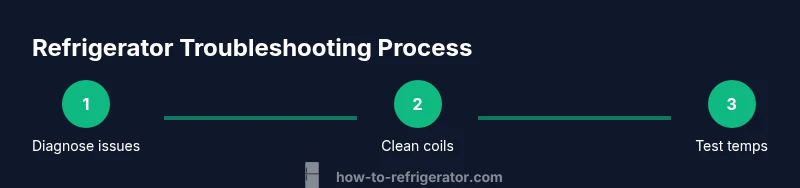
Whether you’re troubleshooting an appliances refrigerator or tackling a seemingly minor inefficiency, a methodical approach yields better results. Start with power checks, then inspect seals and airflow, followed by coils and defrost systems. Use a thermometer to establish stable temperatures and keep a maintenance log for future reference. If the problem persists or involves refrigerant handling or sealed system components, don’t hesitate to seek professional service. The goal is to restore reliability safely while maximizing energy efficiency and lifespan.
Quick Maintenance Checklist You Can Use Today
- Verify power supply and outlet health.
- Inspect door seals and test door closure.
- Check interior airflow and clear vents.
- Clean condenser coils and remove dust.
- Measure temperatures in both compartments.
- Schedule a professional check if symptoms persist beyond a day or two.
Tools & Materials
- Digital multimeter(measure voltages and continuity)
- Screwdriver set (Phillips and flathead)(for access panels)
- Nut driver or socket set(for compressor access panels)
- Cleaning cloths and mild detergent(for exterior and interior cleaning)
- Vacuum with brush attachment(for condenser coils)
- Soft brush or old toothbrush(for coil fins)
- Plastic or rubber gaskets/tape(for door seals inspection)
- Bucket and towels(catch drips during defrost)
- Thermometer or refrigerated thermometer(verify temperatures)
Steps
Estimated time: 60-90 minutes
- 1
Power down and verify outlet
Unplug the refrigerator or switch off the dedicated breaker. Test the outlet with a simple device or a multimeter to confirm voltage is present and stable. This ensures you can safely proceed with diagnostics without risking electric shock or short circuits.
Tip: If the outlet is GFCI-protected, press the test button to confirm it’s functioning before continuing. - 2
Test door seals and air leaks
Close the door on a flexible piece of paper or a dollar bill; if you can pull it out easily, the gasket isn’t sealing properly. Clean the gasket and examine for cracks or tears. Replace or reseal as needed to restore airtight closure and proper airflow.
Tip: Cleaning gaskets with mild dish soap helps maintain elasticity without damage. - 3
Check interior airflow and vent clearance
Inspect the interior vents and ensure nothing blocks the cold air paths between freezer and fresh-food compartments. Remove bulky shelves or containers that obstruct the vents. Proper airflow prevents warm spots and uneven cooling.
Tip: Keep tall items away from vents to maintain consistent temperature. - 4
Test thermostat and temperature setpoints
Set the thermostat to mid-range and observe changes over 24 hours. If temperatures drift, the thermostat or control board may be failing. Record readings for both compartments in the morning and evening to spot patterns.
Tip: Don’t rely on a single reading; average multiple checks. - 5
Measure temperatures with a thermometer
Place thermometers in the main compartment and the freezer to verify they remain within recommended ranges (about 37-38°F in the fridge and 0°F in the freezer). If readings are off, inspect the sensor location and wire connections.
Tip: If temperatures remain off after setting changes, the sensor or control module may be defective. - 6
Clean condenser coils and check fan operation
Disconnect power and clean coils with a soft brush or vacuum. Ensure the condenser fan spins freely without obstruction. Dirty coils can reduce cooling efficiency and increase noise as the compressor works harder.
Tip: Aim to clean coils every 6-12 months depending on dust exposure. - 7
Defrost check and frost management
If you observe frost buildup, verify the defrost cycle timer and heater. Manually defrost if necessary by unplugging and allowing ice to melt before replugging. Persistent frost may indicate a faulty defrost system that requires professional service.
Tip: Avoid chiseling ice; use gentle heat or a plastic scraper to prevent damage. - 8
Evaluate repair vs replacement decision
If multiple major components fail or the unit is aging, calculate ongoing repair costs versus a replacement. Consider energy efficiency gains from newer models and total cost of ownership when making the decision.
Tip: Request a written estimate from a qualified technician before moving forward. - 9
Document and plan next steps
Take clear photos of wiring and components before reassembly. Keep a repair log with dates, readings, and issues to guide future maintenance or service.
Tip: Having a map of the interior helps prevent miswiring during future DIY work.
FAQ
Why is my refrigerator not cooling properly?
Several factors can cause poor cooling, including door leaks, dirty condenser coils, thermostat miscalibration, or a failing defrost system. Start with basic power checks, seal inspection, and coil cleaning, then verify temperatures in both compartments. If temperatures remain high, you may need professional testing of the sealed system.
Poor cooling can result from door leaks, dirty coils, or thermostat issues. Start with basic checks, then consider professional testing if needed.
Is it safe to troubleshoot a refrigerator myself?
Basic troubleshooting is usually safe if you follow safety steps: unplug power, avoid touching live wires, and use proper tools. Do not attempt refrigerant handling or high-voltage repairs. If you’re unsure about any step, consult a professional.
DIY is okay for basic checks, but avoid refrigerant work. When in doubt, call a professional.
How often should condenser coils be cleaned?
Clean condenser coils every 6-12 months, depending on dust exposure and kitchen environment. Regular cleaning maintains efficiency and reduces compressor strain.
Clean coils about every 6 to 12 months to keep the fridge running efficiently.
What causes frost buildup in the freezer?
Frequent frost can result from a faulty defrost cycle, blocked door seals, or high humidity. Inspect door gaskets and defrost components to diagnose frost buildup.
Frost usually means a defrost, seal, or airflow issue needs attention.
When should I call a professional?
Call a professional when the problem involves refrigerant, sealed system components, or if multiple major parts fail. A licensed technician can safely diagnose and repair complex issues.
Call a pro when refrigerant or sealed-system work is needed.
How can I test if the thermostat is faulty?
Compare the set temperature with actual compartment temperatures over a 24-hour period. If readings don’t align, the thermostat or its sensor is likely faulty and needs replacement.
If temps don’t match the setting over a day, the thermostat may be the problem.
Can a noisy fridge indicate a problem?
Yes. Noise can come from a loose fan blade, degraded compressor, or condenser fan. Inspect fans when safe, and quiet operation often signals a straightforward fix.
Noise can mean a loose fan or compressor issue; inspect safely or seek service.
What maintenance can improve energy efficiency?
Regular coil cleaning, door seal maintenance, proper temperature settings, and avoiding overfilling the interior all help maintain efficiency and reduce running costs.
Keep coils clean, seals tight, and avoid overfilling to save energy.
Watch Video
Top Takeaways
- Diagnose with a safe power-down first.
- Seal integrity and airflow drive cooling efficiency.
- Condenser cleanliness improves performance and lowers energy use.
- Defrost system health impacts frost and temperature.
- Know when to repair vs replace based on age and cost.