LG Freezer Troubleshooting and Maintenance Guide
A homeowner-friendly, step-by-step guide to diagnose, fix, and prevent issues with LG freezers. Learn safe troubleshooting for not cooling, frost buildup, and defrost drain clogs, plus maintenance tips to extend efficiency.


This guide shows you how to diagnose and fix common LG freezer problems, including not cooling, frost buildup, and defrost drain clogs. You’ll learn essential safety steps, required tools, and a clear, step-by-step troubleshooting process homeowners can follow to restore proper freezing performance. Avoid guesswork with in-depth checks, pro tips, and photos to guide you.
Understanding LG Freezer Basics and Why Performance Wanes
LG freezers are designed for energy efficiency and quiet operation, but living spaces and daily use can lead to performance issues over time. In this guide, we discuss not only the common failure modes but also practical, home-friendly ways to prevent them. According to How To Refrigerator, a well-maintained lg freezer benefits from regular checks of seals, cooling coils, and drainage paths. Homeowners who follow a routine can distinguish between simple fixes and problems that require professional service. The goal is to keep temps steady, minimize frost, and avoid excessive energy use. You’ll learn how to identify symptoms early, how to approach basic tests safely, and how maintenance steps align with your freezer’s design and energy profile. This section lays the groundwork for a systematic, repeatable approach you can apply to many LG freezer models and other brands as needed.
Common LG Freezer Symptoms to Watch For
If your lg freezer is underperforming, you may notice several telltale signs: it fails to reach or maintain the set temperature, frost accumulates inside the freezer, water leaks appear, or the compressor runs continuously without cycling. These symptoms don’t always point to the same root cause, so a structured inspection is essential. Start with simple checks: confirm the door is sealing properly, ensure the unit isn’t overloaded, and verify there’s adequate clearance for air flow around the condenser coils. In many homes, frost buildup is a symptom of defrost system issues or a blocked drain. For homeowners, the key is to observe patterns—does the problem occur after door openings, during certain ambient temperatures, or after a recent power event? The How To Refrigerator team has found that documenting timing and symptoms helps you narrow down causes efficiently and safely.
Safety First: Safe Handling and Precautions
Electrical appliances can pose risks if misused. Before you touch any internal components, unplug the unit and move it away from walls to access coils and drainage paths. Wear safety gloves when handling sharp metal parts and avoid liquids near electrical connections. Keep a dry work area and use a flashlight to inspect tight spaces in the freezer and around the condenser. If you see exposed wiring, pooling water near electrics, or any unusual burning smell, stop and call a professional. Remember, some LG freezers incorporate high-voltage controls even when unplugged, so treat all repairs with caution. This safety mindset is essential for all the hands-on steps in your lg freezer troubleshooting.
Diagnosing Root Causes: Not Cooling, Frost, and Leaks
Many freestanding issues stem from three primary sources: the door seal, defrost system, and condenser airflow. A weak door gasket can let warm air in, causing ice buildup and interior temperature drift. A clogged defrost drain or faulty defrost heater leads to frost and water pooling. Dirty condenser coils reduce cooling efficiency and force the compressor to work harder, increasing energy use and wear. For lg freezer models with advanced logic boards or sensor-driven cooling, a temporary misread can create incorrect temperature targets; a reset or calibration can fix these cases. Systematically testing each area helps you prioritize fixes that deliver the biggest results with minimal effort. If you’re unsure, start with the most accessible parts—door seals, drainage, and coils—to see rapid wins.
A Home Diagnostic Plan: Noticing Patterns and Testing Safely
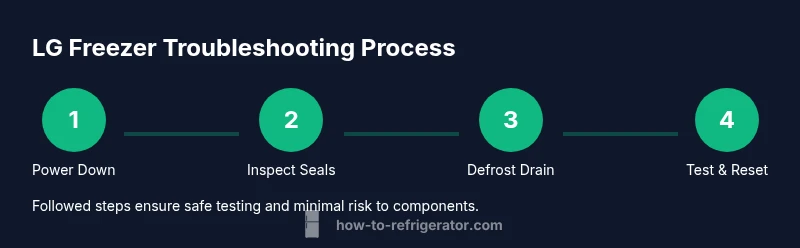
Adopt a simple test plan: 1) verify the door seals and gasket integrity; 2) check for frost patterns indicating defrost issues; 3) inspect and clean condenser coils and ensure proper airflow; 4) listen for the evaporator fan during cycling; 5) test thermostat accuracy with a calibrated thermometer. Record findings as you go. This structured approach helps you determine whether an issue is user-serviceable or requires professional service and parts replacement. The plan is designed to minimize power interruptions and prevent further damage to your lg freezer while you troubleshoot.
Maintenance for Long-Term LG Freezer Health
Prevention beats repair, especially for appliances that run constantly. Establish a quarterly maintenance routine that includes cleaning coils, checking door seals for cracks or sag, and clearing the defrost drain if present. Keep the surrounding area free of dust and lint for optimal airflow. Address minor frost buildup quickly by manually defrosting according to the user manual, and avoid stacking items that obstruct airflow. A small investment in regular maintenance extends the life of your lg freezer and can reduce energy consumption over time. By keeping a clean, well-sealed, and well-ventilated unit, you minimize the likelihood of major malfunctions.
When to Call a Professional and What to Expect
If you encounter electrical concerns, refrigerant-related questions, or repeated compressor cycling after basic fixes, it’s time to contact a licensed technician. A pro can test refrigerant pressures, verify the defrost system, and diagnose sensor and control-board issues with specialized tools. When you call, provide a short symptom log, model information, and what you’ve already tried. This helps the technician arrive prepared, reducing diagnostic time and cost. In many regions, disputes over warranties or service charges can be avoided by choosing authorized repair providers and keeping maintenance records.
Final Note: Keeping Your lg freezer Efficient and Dependable
A durable lg freezer combines proper installation, mindful use, and proactive maintenance. Keep the unit level, ensure sufficient ventilation, and avoid overloading shelves which impede airflow. Regularly inspect gaskets, prune frost buildup, and ensure drainage paths remain clear. With these practices, you can expect consistent freezing performance, minimized energy use, and longer service life. The goal is to empower homeowners to manage routine care confidently and reduce the need for emergency repairs.
Tools & Materials
- Screwdriver set (Phillips and flathead)(At least 6-in-1; keep compact for accessibility)
- Multimeter(For testing electrical components and sensors)
- Soft cloths and microfiber towels(For cleaning spills and coils without scratching)
- Bucket and towels(To catch defrost water and condensation)
- Flashlight or headlamp(Illuminates tight spaces inside freezer and behind coils)
- Pocket thermometer or kitchen thermometer(To verify freezer temperature closely)
- Gloves and safety glasses(Extra protection for handling metal parts and ice)
Steps
Estimated time: 60-120 minutes
- 1
Power down safely
Unplug the LG freezer and unplug any nearby outlets to prevent shock. Move items away from the door and allow a brief rest period to reduce pressure on refrigerant lines before inspecting coils or seals. This minimizes the risk of condensate flow when you begin.
Tip: Label the power cord or take a photo of its outlet placement for reassembly. - 2
Inspect the door seals
Check the gasket for cracks, tears, or gaps. Gently wipe the seal with a mild detergent to remove debris. If you see air leaks, perform a light pressure test with a dollar bill or a piece of paper to confirm sealing integrity.
Tip: A stretched or damaged gasket is a common cause of frost and temperature drift. - 3
Defrost drain and frost check
Locate the defrost drain, usually at the rear of the freezer section. Clear any ice blockage with a flexible wire or pipe cleaner. If you see frost build-up near the evaporator, pause to check whether the defrost heater or timer is functioning properly.
Tip: Be careful not to push debris further into the drain; use gentle taps and the right tool size. - 4
Test the evaporator fan and thermostat
With the unit plugged back in, listen for the evaporator fan running during cooling cycles. If the fan is silent or intermittent, test the thermostat with a thermometer and compare readings to the setpoint. Faulty fans or sensors often cause uneven cooling.
Tip: If the fan runs but the temperature remains high, the refrigerant or control board may be involved. - 5
Condenser coils and airflow
Inspect condenser coils for dust and debris. Clean gently with a brush or vacuum, maintaining a safe distance from the fan blade. Ensure there is at least a few inches of clearance around the back and sides for airflow, which is essential for high efficiency.
Tip: Always unplug before cleaning coils; dirty coils reduce cooling efficiency and raise energy use. - 6
Restart and monitor
Plug the unit back in, allow it to reach the target temperature, and monitor for 24-48 hours. Record any recurring symptoms. If temperatures stabilize and frost stops forming, you’ve likely addressed the root cause. If issues persist, consider professional service.
Tip: Keep a simple log of temperatures and any noises to help the technician.
FAQ
Why is my LG freezer not cooling properly?
Not cooling can result from a weak seal, defrost drain blockage, dirty condenser coils, or a faulty thermostat. Start with easy checks like the door gasket and coils, then test the defrost system. If the issue persists, professional diagnostics may be required.
Common cooling problems start with the door seal or coils. If those are fine, inspect the defrost system and thermostat, and call a technician if needed.
What steps should I take if I hear buzzing or unusual noises from the freezer?
Unusual noises can come from the compressor or fan. Check the fan blades for obstructions and ensure the unit isn't touching cabinet walls. If noises persist after cleaning and verifying clearances, a professional assessment is recommended.
Check the fan and compressor for obstructions and ensure proper clearance, then consider a professional check if the sound continues.
Can frost buildup be caused by a simple clog in the defrost drain?
Yes, a blocked defrost drain can cause frost to accumulate inside the freezer. Clearing the drain and ensuring the defrost heater works are common fixes. If frost recurs, the defrost circuit or sensor may require professional diagnosis.
A clogged defrost drain often leads to frost. Clear the drain and verify the heater, but seek pro help if frost keeps returning.
Is it safe to use heat on the defrost drain to clear ice?
Applying heat directly to the defrost drain is not recommended. Use defrosting methods described in the manual, such as manual defrost with care and proper ventilation. Avoid open flames and hot air devices near refrigerant lines.
Avoid direct heat on any ice; follow manual defrost steps and keep heat sources away from refrigerant lines.
How often should I perform maintenance on an LG freezer to prevent issues?
Perform a quick monthly check of seals and door alignment, and do a full coil cleaning and drain check every 3-6 months. Regular maintenance reduces unexpected failures and keeps energy use in check.
Do quick monthly seal checks and a full coil clean every few months to prevent problems.
When should I replace my LG freezer instead of repairing it?
Consider replacing if repairs exceed a significant fraction of a new unit’s cost, or if the freezer is failing in multiple critical areas (compressor, refrigerant leaks, or motherboard). A newer model can provide energy savings and better reliability.
If repairs add up and reliability is poor, it may be wiser to replace with a newer, energy-efficient model.
Watch Video
Top Takeaways
- Identify root cause through structured checks
- Prioritize door seals, drainage, and coils
- Use a documented test plan for accuracy
- Call a pro when refrigerant or boards are involved