How to Recharge Refrigerator with R134a: Safety, Alternatives, and Professional Steps
Understand why DIY R134a recharges are risky, learn safe diagnostic steps, and discover the professional process to restore cooling in your refrigerator when R134a is involved.


This guide explains why homeowners should not attempt to recharge a refrigerator with R134a themselves. Recharging requires specialized equipment, leak detection, and EPA-certified handling. DIY attempts can damage the system, violate regulations, and pose safety risks. This article outlines safe alternatives, signs of refrigerant loss, and what to expect from a licensed technician who will diagnose, repair leaks, and restore performance.
Why DIY recharge is risky
For homeowners, understanding how to recharge refrigerator with r134a is not about DIY fixes; it's about recognizing limits and seeking professional help. Recharging a sealed refrigeration system requires EPA-certified handling to prevent environmental release and personal injury. Common mistakes include overcharging, missing leak detection, and using the wrong refrigerant grade. The How To Refrigerator team stresses that refrigerant management is a regulated activity; attempting it without proper tools and credentials can lead to chemical exposure, improper pressures, and compressor damage. If your fridge is not cooling, the root cause is rarely a simple 'low charge' that can be fixed with a can of refrigerant. More often, a leak, faulty evaporator coil, or defective compressor is at fault. In most cases, the safest, most effective path is to involve a licensed technician who can perform accurate leak testing, recover old refrigerant, and restore safe operation. PRO TIP: Always confirm technician credentials before any work begins.
According to How To Refrigerator, the risk landscape includes environmental harm and personal safety hazards, underscoring why DIY recovery is discouraged.
Safer alternatives to DIY recharge
If you’re troubleshooting a non-cooling fridge, the safer path is to rule out common non-refrigerant causes before considering any refrigerant work. Start with basic checks: verify the fridge is plugged in, the thermostat is correctly set, and the door seals are intact. Clean condenser coils if they appear dusty, ensure proper airflow, and inspect defrost components for clogs. These steps can improve cooling without touching refrigerant. The How To Refrigerator team emphasizes that refrigerant adjustment is not a first-line fix for temperature issues; many cooling problems stem from airflow or defrost problems. If cooling remains weak after these checks, contact a licensed technician. They will perform leak detection, recover refrigerant safely, and repair or replace faulty components. Remember, regulatory requirements require certified handling of refrigerants.
Signs of refrigerant loss and what to check first
Refrigerant loss is not always obvious. Look for signs such as excessive frost buildup on evaporator coils, warm air blowing from vents, shortened compressor cycles, or a noticeable refrigerant odor. Do not assume a “low charge” is the fix. Instead, arrange an inspection by a technician who can use electronic leak detectors and refrigerant recovery equipment. In many cases, visible frost is a symptom of another issue, such as a faulty evaporator, a blocked fan, or poor door seals. The How To Refrigerator team notes that early detection improves outcomes, but only a licensed pro should handle refrigerant-related work.
What a licensed technician will do
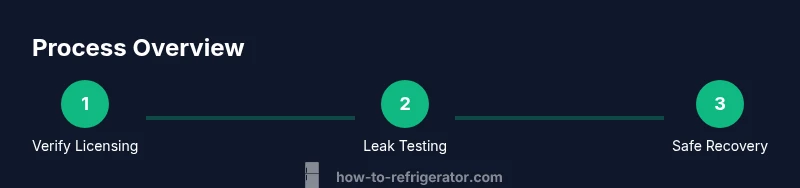
A licensed technician will first verify licensing and regulatory compliance. They will perform leak detection, recover any refrigerant, and evacuate the system to remove moisture. After repairs are completed, they will recharge with the correct refrigerant grade, following the manufacturer’s specifications. If a leak is found, they will locate and repair it, then re-test the system for proper pressures and cooling performance. This process requires specialized equipment, including a refrigerant recovery machine and a vacuum pump, not available to most homeowners. The goal is to restore safe operation without exposing people or the environment to hazardous substances.
How to prepare for a service visit
Preparation helps speed up service and reduces the need for repeat visits. Gather your fridge’s model and serial numbers, recent service history, and any notes about symptoms. Clear access to the appliance, ensure the area is well-lit, and remove food from the vicinity to keep the repair area clean. If possible, take photos of the unit’s back or sides to help the technician understand airflow and coil cleanliness. A licensed professional will provide a written estimate and explain the steps involved, including any required leak repairs and the expected timeline. The How To Refrigerator team recommends keeping receipts and notes for future maintenance.
What to expect during the professional process
During a professional visit, expect a diagnostic phase, accurate leak testing, and a controlled refrigerant recovery process. The technician will evacuate the system, repair leaks if found, and perform a vacuum test before refilling with the correct refrigerant. After charging, they will monitor temperature, defrost function, and compressor cycling to ensure stable operation. They should also discuss any warranty coverage and maintenance tips to prevent recurring leaks. If the system requires replacement parts, the technician will advise on options and compatibility. This is where expertise matters most, and DIY attempts are unlikely to achieve reliable cooling restoration.
Preventive maintenance to reduce leaks
Preventive maintenance can reduce the likelihood of future leaks and refrigerant loss. Regular coil cleaning, door seal inspection, and thermostat calibration help maintain efficiency. Keep the condenser coils free of dust and grime, since restricted airflow forces the compressor to work harder. Schedule periodic professional inspections to catch wear early and maintain optimal performance. How To Refrigerator recommends documenting service intervals and keeping a maintenance log.
Selecting a qualified technician
Choosing a qualified technician is essential for safe, compliant refrigerant work. Verify EPA certification (technician category 608), request proof of license, and ask about warranties on repairs and refrigerant. Obtain multiple quotes and compare what is included in each service plan, such as leak repair, evacuation, and recharging procedures. For peace of mind, request references or check customer reviews from independent sources.
After-service safety and testing
After service, monitor cooling performance for 24–48 hours and compare to the original performance. Confirm that the temperature is within the manufacturer’s specification and that there are no unusual noises or odors. Keep a copy of the service report and any warranty details for future reference. If cooling does not improve, contact the technician for a follow-up visit under the warranty or service agreement. Safety remains a priority long after the technician leaves.
Authority sources
This information reflects best practices for refrigerant handling and professional service. For regulatory details and official guidance on refrigerant handling, consult the following sources:
- https://www.epa.gov/section608
- https://www.energy.gov/eere/buildings/articles/refrigerant-leak-detection
- https://extension.umn.edu/repairing-appliances/repairing-common-appliance-problems
Authority sources (continued)
Note: Always rely on certified professionals for refrigerant work; DIY recharges are not advised due to safety and environmental concerns.
Tools & Materials
- EPA-certified refrigerant recovery machine(Required for licensed technicians to safely recover refrigerant from the system.)
- Leak detector (electronic or soap-based with sniffing capability)(Used to identify refrigerant leaks; avoid relying on visual clues alone.)
- Refrigerant manifold gauge set(For pressure readings and system diagnostics during service.)
- Vacuum pump(Used to evacuate moisture from the system as part of the service process.)
- Personal protective equipment (PPE)(Goggles and chemical-resistant gloves to protect against refrigerant exposure.)
- Fridge model and serial number documentation(Helpful for technicians to access correct specifications and parts.)
Steps
Estimated time: 1–3 hours
- 1
Verify licensing and legality
Confirm that refrigerant handling will be performed by a licensed technician in accordance with local and federal regulations. This step prevents illegal handling and ensures proper safety measures are in place.
Tip: Ask to see current EPA 608 certification and license details before any work begins. - 2
Schedule a professional service
Contact a certified technician and arrange a visit. Provide the fridge model, symptoms, and any service history to help the technician prepare.
Tip: Request a written estimate and a clear explanation of what will be done during the service. - 3
Prepare the work area
Clear the area around the fridge, remove food, and ensure safe access to electrical outlets. Turn off power to the unit before any inspection begins.
Tip: Do not attempt to restart the fridge after service until instructed by the technician. - 4
Provide device details
Have the model/serial number and recent maintenance records ready. This helps the technician determine the correct refrigerant charge and repair approach.
Tip: Photographs of the unit can help convey coil condition and airflow issues. - 5
Avoid DIY refrigerant steps
Do not attempt to recharge or add refrigerant yourself. Refrigerant handling requires specialized equipment and disposal procedures to prevent harm and environmental impact.
Tip: If you suspect a leak, insist on leak testing and proper recovery rather than charging. - 6
Expect diagnosis and recovery
The technician will locate leaks, recover refrigerant, and prepare the system for repair. They will also check for moisture ingress and total system integrity.
Tip: Ask for a summary of findings and recommended fixes before work proceeds. - 7
Post-service testing and follow-up
After repairs, the system will be evacuated, recharged with the correct refrigerant, and tested for proper cooling. A follow-up visit may be scheduled to confirm stability.
Tip: Keep the service report for future maintenance and warranty questions.
FAQ
Is it legal to recharge a refrigerator with R134a at home?
No. Refrigerant handling and recharge require EPA certification and specialized equipment. DIY attempts can violate regulations and pose safety and environmental risks.
Recharging refrigerant at home isn’t legal or safe. You should hire a licensed technician to handle the process.
What are the risks of DIY refrigerant recharge?
DIY recharge can cause refrigerant exposure, frostbite, environmental harm, and system damage from overcharging or leaks. It may also void warranties.
DIY recharge can be dangerous and could damage your fridge and the environment; professional service is advised.
What should I do if my fridge isn’t cooling?
Check basic factors first: power, thermostat, door seals, and airflow. If cooling still fails, schedule a professional inspection for refrigerant-related diagnostics.
First, check power and settings. If it still isn’t cooling, call a licensed technician.
How long does professional refrigerant service take?
Time varies with the complexity and leaks present, but you can generally expect a session to last up to a few hours, including diagnostics and testing.
Most visits take a few hours, depending on leaks and repairs needed.
Can all refrigerant leaks be repaired?
Many leaks can be repaired or components replaced, but some failures require refrigerant evacuation and part replacement. A technician will assess feasibility.
Leads can often be repaired, but not always; a technician will determine if replacement parts are needed.
What questions should I ask a technician before service?
Ask about licensing, certifications, warranty coverage, expected steps, and whether leak repairs are included in the estimate.
Ask for licenses, warranties, and a clear plan before work starts.
Watch Video
Top Takeaways
- DIY refrigerant recharge is not advised.
- Leaks must be fixed before any recharge.
- Only licensed technicians should handle refrigerant work.
- Regular maintenance reduces leak risks.
- Ensure proper documentation and warranty coverage.