How to Put Freon in Refrigerator
Understand why DIY freon charging is unsafe and often illegal. This How To Refrigerator guide explains safe alternatives, how to spot leaks, and when to call a licensed technician for your fridge.


If you're wondering how to put freon in refrigerator, stop—this is not a DIY task. Refrigerant handling requires EPA certification and specialized equipment. A cooling issue may stem from leaks, improper charging, or failed components; only a licensed technician should recharge or replace refrigerant, after leak repair and proper recovery. If you want to proceed, schedule professional service or explore safer replacement options.
Understanding why 'how to put freon in refrigerator' isn't a DIY task
Refrigerant systems are sealed and pressurized; attempting to add freon yourself can cause serious injury, environmental harm, and legal trouble. Freon refers to a class of refrigerants used in household appliances, commonly R-134a or newer blends; these must be handled with specialized equipment and proper recovery methods. In many regions, only certified technicians may purchase, recover, and recharge refrigerants under EPA regulations. If you search for how to put freon in refrigerator, you’ll quickly see why this is treated as a professional repair rather than a home fix. According to How To Refrigerator, improper charging can overpressurize the system, damage the compressor, and void warranties. The safest approach is to diagnose the cooling problem and call a licensed technician for leak repair and proper refrigerant charging.
What it means when a fridge isn’t cooling and what you should check first
When a refrigerator stops cooling, the cause is often not simply a missing charge. Homeowners can inspect for obvious, safe issues such as door seals, airflow obstructions, and thermostat settings. The How To Refrigerator team emphasizes that many not-cooling symptoms trace to simple problems like a dirty condenser coil, a blocked vent, or a malfunctioning fan. Before considering any refrigerant work, confirm power to the unit, verify that the freezer and fridge doors seal properly, and listen for the compressor and fan operation. If you notice frost patterns, warm interior walls, or uneven cooling, a professional inspection is warranted to prevent unnecessary charging attempts.
Why DIY freon charging isn’t recommended and what to expect instead
The phrase how to put freon in refrigerator is commonly searched, but the correct answer is that you should not attempt it yourself. Freon is a regulated substance, and improper handling can release harmful fumes, cause frostbite, and damage the sealed system. The EPA requires technicians to be certified to recover and recharge refrigerants, protecting you and the environment. In addition, a refrigerant charge without locating and repairing leaks does little to solve the underlying problem and can lead to costly, repetitive failures. If your unit is under warranty, DIY charging can void coverage.
What a licensed technician will do when servicing a not-cooling refrigerator
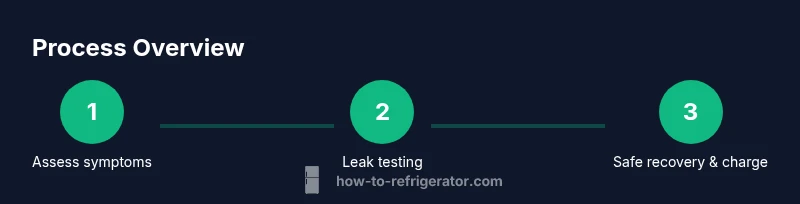
A certified technician begins with a careful assessment: verify refrigerant type, check for leaks, test electrical components, and confirm thermostat accuracy. If a leak is found, it must be repaired before any refrigerant is recovered or added. The technician will use approved equipment to recover existing refrigerant, evacuate the system, repair or replace faulty parts, and evacuate again before charging to the manufacturer’s specification. Recovered refrigerant must be recycled or disposed of properly. This process can take several hours and should be performed only by trained professionals with the right licenses and safety gear.
Safe maintenance steps homeowners can perform (non-invasive) to reduce cooling problems
You can take several non-invasive steps to help your fridge run efficiently and reduce the likelihood of future issues. Keep condenser coils clean and free of dust, ensure appliance has adequate clearance for airflow, organize contents so air can circulate, and set appropriate temperature controls. Check door gaskets for cracks or gaps and replace if needed. Regularly defrost if your unit isn’t frost-free, and schedule periodic professional inspections to catch small issues before they become bigger problems. These proactive steps align with How To Refrigerator’s emphasis on preventive care.
How to prepare for a technician visit and what to expect on site
Before a service visit, note the model and serial number, the symptoms, and when you first noticed the cooling problem. Clear a path to the fridge and remove any items that could obstruct work. When the technician arrives, expect a leak test, system pressure checks, and a controlled refrigerant recovery if needed. After repairs, the technician will perform a final test to confirm proper cooling and verify energy efficiency. Remember, refrigerant charging is only performed after leak repair and system evacuation, not as a first step.
Tools & Materials
- EPA-certified refrigerant recovery equipment(Used by licensed technicians to recover refrigerants before any service)
- Refrigerant cylinder (appropriate type)(Only for certified technicians; do not purchase for DIY use)
- Vacuum pump(For evacuating the system after leak repair and before charging)
- Leak detection tools(Electronic or UV dye methods to locate leaks)
- Personal protective equipment (PPE)(Gloves, goggles, and apron to protect against refrigerant exposure)
- Calibrated scale(Used to measure refrigerant charge accurately when a service is performed)
- Owner’s manual(Reference for model-specific refrigerant type and charging specs)
Steps
Estimated time: 2-6 hours
- 1
Schedule professional service
Contact a licensed refrigeration technician and provide the fridge’s model, symptoms, and age. This initial step ensures you get a qualified assessment before any action on the refrigerant is taken.
Tip: Have your model and serial number ready. - 2
Clear the area and unplug the unit
Move items away from the fridge and unplug the power cord to avoid electrical hazards during inspection. Do not attempt handling refrigerants while the unit is powered.
Tip: Keep doors open to prevent heat buildup during work. - 3
Prepare to discuss the issue with the technician
Write down when the problem started, any frost or ice buildup, noises, or temperature fluctuations. This helps the tech diagnose root causes beyond a simple charge.
Tip: Note thermostat readings and door seal conditions. - 4
Technician conducts leak inspection
The tech uses approved tools to locate leaks and assess refrigerant integrity. This step must be completed before any refrigerant recovery.
Tip: Request a printed diagnostic report for your records. - 5
Refrigerant recovery and system evacuation
If leak repair is needed, the technician safely recovers refrigerant and evacuates the system to remove moisture before recharging.
Tip: Do not operate the unit while the system is open. - 6
Repair leak and evacuate again if required
After identifying the leak, the tech will fix the defect and re-evacuate to ensure a clean, dry system before charging.
Tip: Confirm warranty implications with the technician. - 7
Charge to spec and test
Charge with the exact refrigerant type and amount per manufacturer specifications, then run a test to ensure proper cooling and airflow.
Tip: Ask for a final performance readout and energy use check.
FAQ
Is it legal to recharge Freon in a home refrigerator?
Recharge work requires EPA Section 608 certification; DIY charging is illegal in many areas and can void warranties.
Recharge work requires EPA certification; don’t attempt it yourself.
What are the signs that my fridge needs a refrigerant charge?
Not cooling properly, frost buildup, unusual noises, or warm air from vents may indicate a refrigerant issue or other failures.
If it’s not cooling and you hear odd noises, call a professional.
Can I buy Freon and charge it myself?
Freon is highly regulated; do not purchase or handle refrigerants without proper certification and equipment.
Do not buy or handle refrigerant yourself.
What else could cause not cooling besides refrigerant?
Thermostat, compressor failure, condenser coil blockage, faulty fan motor, or door seals can prevent cooling.
Many issues can mimic refrigerant problems; a professional diagnosis is essential.
How long does a refrigerant recharge take on-site?
Time varies with the system, but on-site service often takes several hours including diagnosis and safety checks.
A few hours, depending on the problem and setup.
Are there safer alternatives to freon charging?
Yes: diagnose leaks, repair or replace worn components, and consider a new unit if repair costs are high.
Repair leaks or replace the unit if repair costs are high.
Watch Video
Top Takeaways
- Never attempt DIY refrigerant charging.
- Leaks must be identified and repaired before any charging.
- Hire a licensed technician for refrigerant work.
- Regular maintenance reduces risk of cooling problems.