Do Refrigerators Need Freon? A Homeowner's Guide
Learn whether your refrigerator needs Freon, why modern models use different refrigerants, and how to safely handle cooling issues with expert tips from How To Refrigerator.


No. Most modern refrigerators do not require Freon. Freon was commonly used in older units, while today’s systems typically use other refrigerants like R-134a or R-600a and are sealed for life. If cooling is an issue, refrigerant-related service should be performed only by a licensed technician, as leaks and improper charging can be dangerous and illegal.
What Freon Is and Why It Matters
Freon is a brand-name shorthand that’s commonly used to describe a class of refrigerants historically used in air conditioning and refrigeration systems. In the context of household refrigerators, you may hear people refer to Freon when they mean the refrigerant itself. Over the past few decades, environmental and safety regulations shifted away from chlorofluorocarbons (CFCs) and certain hydrochlorofluorocarbons (HCFCs) toward more sustainable options. For homeowners, the distinction matters because older units that used Freon or similar refrigerants can differ significantly from modern sealed systems. If you’re dealing with a fridge that doesn’t cool well, it’s important to understand that Freon issues are not a common DIY fix for contemporary models. The How To Refrigerator team notes that most problems are related to airflow, seals, or frost buildup rather than the refrigerant charge itself.
According to How To Refrigerator analysis, the move away from Freon in new appliances reflects both safety concerns and environmental regulations. If your fridge is more than a decade old, it may still use a refrigerant historically labeled as Freon, but replacement parts and recharges require licensed technicians with proper handling capabilities. Homeowners should treat refrigerant work as highly specialized and regulated, not a simple refill.
Do Modern Fridges Still Use Freon?
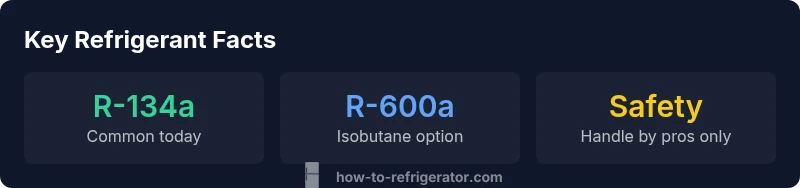
Today’s refrigerators are designed with sealed refrigerant circuits that are charged at the factory and tested for leaks. In most cases, Freon as a general term is no longer applied to new units, and the refrigerants in current models are typically R-134a or the newer, more environmentally friendly R-600a (isobutane). These refrigerants operate under high pressure within a closed loop. You cannot reliably or safely recharge a modern fridge yourself. If you suspect a refrigerant issue, the correct course is to contact a licensed technician who can diagnose leaks, verify the refrigerant type, and perform any required repairs in accordance with local codes and federal regulations.
From a homeowner’s perspective, this means routine maintenance and timely addressing of non-refrigerant-related issues—such as door seals, condenser coils, and airflow—will usually prevent cooling problems. The shift away from Freon-rich systems also reduces the likelihood of accidental exposure during service, because licensed technicians follow strict handling procedures for refrigerants.
Common Misconceptions About Freon in Refrigerators
A pervasive myth is that you can or should refill Freon in a home refrigerator to restore cooling. In reality, modern units are not designed for frequent manual recharges, and attempting to add refrigerant yourself can be dangerous and illegal in many jurisdictions. Another misconception is that a noisy compressor or a warm compartment always indicates a refrigerant issue. In many cases, these symptoms point to airflow problems, dirty condenser coils, a faulty door seal, or thermostat calibration. Because refrigerants are hazardous and operate under high pressure, professional evaluation is essential when a leak is suspected or when a cooling problem persists.
Understanding the difference between old and new refrigerant practices helps homeowners set expectations. If you own a very old refrigerator that used Freon, a licensed technician can advise whether the unit is worth recharging or should be replaced for efficiency and safety reasons.
How Refrigerant Safety Works
Handling refrigerants is not a DIY task. Technicians must adhere to environmental and safety regulations designed to protect people and the climate. In many places, refrigerant charging, leak testing, and component replacement require certification, specialized equipment, and proper recovery systems. Attempting to recharge or top off refrigerant without the right tools can cause injury, equipment damage, and illegal emissions. For homeowners, this simply means: if you hear hissing near line sets, notice a chemical smell, or observe an oily residue around connections, contact a licensed technician immediately. A professional will confirm the refrigerant type, check for leaks, and perform any necessary repairs using approved practices.
Beyond safety, professional service can help ensure your fridge remains energy-efficient. Contaminated or low refrigerant levels can affect cooling performance and compressor efficiency, potentially increasing energy use. A certified technician will also verify that the rest of the system—like the evaporator, condenser, and expansion device—is functioning correctly.
How to Diagnose Cooling Problems Without Freon
Homeowners can perform a non-invasive assessment before calling a pro. Start with the basics: verify the thermostat setting is appropriate for your climate, inspect door gaskets for gaps, and inspect the condenser coils at the back or bottom of the unit for dust or lint. Clean coils gently with a brush or vacuum to restore airflow, which often resolves cooling inefficiency. Listen for the evaporator fan while the door switch is engaged; if the fan isn’t running, cooling will be limited even with the refrigerant intact.
If the unit still struggles after you’ve addressed airflow, frost buildup on the evaporator or unusual noises from the compressor may indicate deeper issues that require professional attention. A licensed technician can perform a proper leak test and confirm whether refrigerant-related service is needed, along with any required parts replacement. Remember, most fridges from the last 15–20 years are sealed systems not meant for consumer recharging, so non-invasive troubleshooting is the right first step.
Signs of a Refrigerant Leak and What to Do
Refrigerant leaks are serious and should be handled by professionals. Signs can include a hissing sound from the appliance, frost on evaporator coils, reduced cooling efficiency, or oily residues around connections. If you suspect a leak, do not attempt to patch or refill the system yourself. A licensed technician will locate the leak using approved methods, recover any refrigerant safely, and repair or replace damaged components. After a refrigerant service, the system should be re-evacuated and charged only with the correct refrigerant type and quantity as specified by the manufacturer.
Proactive steps to minimize leaks include ensuring proper installation clearances, avoiding physical damage to lines, and scheduling regular maintenance to keep the coils clean and the door seals intact. Maintaining a clean and well-sealed refrigerator helps preserve efficiency and prolongs the life of the unit.
Maintenance Tips to Avoid Freon-Related Issues
Preventive maintenance is the best defense against refrigerant-related problems. Regularly clean condenser coils, check door seals for cracks or gaps, and ensure proper airflow around the unit. Keep the area around the fridge free of obstructions to maintain adequate ventilation. Schedule professional inspections every few years or if you notice a drop in cooling performance. A technician can perform a leak test, verify refrigerant charge, and address any other system components that affect efficiency. Documentation of service and adherence to local disposal guidelines can also help when you sell or move the appliance.
Additionally, avoid placing hot foods directly into the fridge and don’t overload shelves in a way that blocks airflow. Small habits add up to meaningful efficiency gains and reduce the risk of refrigerant-related problems occurring unexpectedly.
Understanding Costs and What A Service Includes
Refrigerant-related service costs vary based on location, the type of refrigerant involved, and the extent of repairs. Typical service may include a diagnostic assessment, leak detection, refrigerant recovery, component replacement, and a final re-evacuation and charge. Because refrigerants are regulated substances, many technicians will provide a written estimate after identifying the leak and confirming the repair plan. It’s wise to request a detailed quote that itemizes labor, parts, refrigerant type, and any disposal or permit fees. While costs can vary, homeowners should budget for a licensed, compliant repair rather than attempting a DIY recharge, which can lead to higher long-term expenses if the issue is not resolved.
Choosing a Technician for Refrigerant Service
When selecting a technician, verify licensing and certifications such as EPA Section 608 or equivalent local credentials. Ask about their process for leak testing, refrigerant recovery, and warranty on parts and workmanship. Request a written estimate before any work begins, and confirm that the technician will handle proper disposal and recycling of refrigerants in accordance with environmental regulations. If possible, seek reviews or referrals from neighbors or local repair services. A qualified technician will diagnose the root cause—whether refrigerant-related or not—and explain your options clearly, including whether replacement of the refrigerator is more cost-effective than a refrigerant repair.
Quick Action Plan for Homeowners
- Confirm the fridge’s age and refrigerant history (older vs. newer models).
- Check airflow, seals, and coils for dirt or damage.
- If cooling remains poor after maintenance, contact a licensed technician for a refrigerant assessment.
- Do not attempt to recharge or refill refrigerant yourself.
- Keep service records and follow manufacturer recommendations for maintenance and replacement.
Refrigerant types and recharge feasibility
| Topic | Modern Refrigerant Type | DIY Feasible? |
|---|---|---|
| Freon presence | Not in new units; older models used CFC/HCFC refrigerants | No |
| Common refrigerants today | R-134a, R-600a (isobutane) | No (professional only) |
| Recharge ability | Not DIY | No |
FAQ
Do refrigerators still use Freon?
Freon is primarily associated with older refrigeration systems. Most modern refrigerators use different refrigerants like R-134a or R-600a and are sealed to prevent leaks. If you own a newer model and notice cooling issues, the problem is unlikely to be Freon-related and should be diagnosed by a licensed technician.
Most new fridges don’t use Freon; if you have cooling issues, a technician should check seals, coils, and airflow first.
Can I recharge my fridge refrigerant myself?
No. Refrigerant charging requires specialized equipment and licensing. DIY charging can be dangerous and illegal in many areas. If you suspect a leak, contact a licensed technician to identify the issue and perform any necessary repairs.
Don’t try to recharge refrigerant yourself; contact a pro for safe handling.
What are signs of a refrigerant leak?
Look for hissing sounds, frost on evaporator coils, reduced cooling, or oily residues near connections. If you observe these signs, avoid DIY fixes and call a licensed technician to locate and repair the leak.
If you hear hissing or see frost, call a pro—don’t ignore it.
Why is my fridge warm but the freezer works?
This pattern often points to airflow issues, a faulty door seal, or a dirty condenser coil rather than a refrigerant problem. A technician can verify refrigerant status, but start with simple checks on seals and coils.
Check seals and coils first; refrigerant leaks are less likely if the freezer is cold.
Is Freon dangerous?
Refrigerants can be hazardous if released. Leaks may cause health hazards and environmental harm. Always rely on licensed technicians for any refrigerant work and ensure proper ventilation during any service.
Yes, handle with care and leave it to professionals.
What drives the cost of refrigerant service?
Costs depend on refrigerant type, extent of leaks, parts needed, and local labor rates. Get a written estimate before work begins and ask about any disposal fees and warranties.
Prices vary; get a written quote before the service.
“In our experience, most cooling problems stem from airflow or door seals rather than refrigerant charges. Refrigerant work should always be performed by a licensed professional.”
Top Takeaways
- Avoid DIY refrigerant work; use licensed technicians only
- Modern fridges use refrigerants other than Freon
- Diagnose non-refrigerant issues (seals, coils, airflow) first
- Leaks require professional recovery and proper disposal
- Regular maintenance preserves efficiency and lifespan