Install a Refrigerator Door Seal: Step-by-Step Guide
Learn how to install a refrigerator door seal with a clear, step-by-step approach. We cover gasket selection, prep work, installation, testing for leaks, and maintenance tips to restore cooling efficiency.


Why replacing a refrigerator door seal matters
A worn or damaged door seal allows cold air to escape and warm air to creep in, forcing your fridge to work harder and wasting energy. Over time, this can lead to temperature fluctuations that affect food safety and shorten the appliance’s lifespan. According to How To Refrigerator, sealing known gaps is one of the simplest, most cost-effective fixes homeowners can perform. A fresh gasket creates a tight barrier that preserves the internal temperature and improves overall efficiency. By prioritizing door seal replacement, you protect perishable foods and lower electricity costs while extending the life of your refrigerator.
Understanding gasket types and compatibility
Gaskets come in different profiles and sizes to fit various door styles (top-freezer, bottom-freezer, French door, side-by-side). The right gasket must match your model’s door width, screw holes, and channel design. When shopping, you’ll see terms like “flat gasket,” “coil seal,” or “universal replacement.” Always measure the door edge and compare with the product compatibility chart. The goal is a seal that sits flush against the cabinet without gaps at the corners or along the hinge line.
How to measure and select the correct gasket
Accurate measurement is the first step to a successful replacement. Measure the door width at the top, middle, and bottom, noting any warping or irregularities along the edge. Check the hinge side clearance and ensure the new gasket’s thickness will not interfere with the door closing. If your model has a unique profile, look for a gasket labeled “replacement for [your model].” If in doubt, contact the retailer’s support or consult the manufacturer’s documentation.
Prep work: cleaning and setting expectations
Before removing the old gasket, unplug the fridge and clear the area around the door. Clean the door edge and gasket channel with a mild soap solution and a soft cloth to remove grime and mold. A clean channel helps the new gasket seat evenly and reduces the risk of air leaks after installation. It’s also a good time to inspect the door for bent hinges or misaligned casings that could affect sealing.
Step 1- Remove the old gasket and inspect
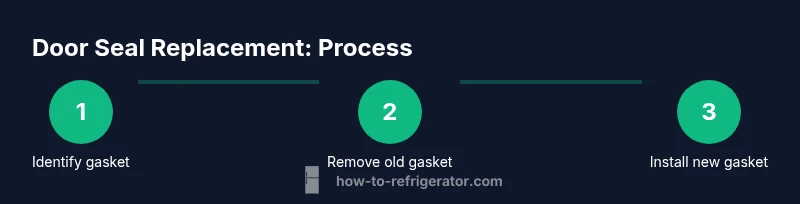
Gently lift the gasket from the door edge where it sits in the channel. If you encounter any screws or retainer clips, use the appropriate screwdriver to loosen them. Inspect the gasket channel for damage, warping, or stubborn residue. If the channel is damaged, you may need professional repair or a door replacement.
Step 2- Clean the door gasket channel and door edge
Use a mild cleaning solution and a soft cloth to remove any adhesive residue or debris from the channel. Rinse the edge with a damp cloth and dry it thoroughly. A clean, dry surface ensures the new gasket seats properly and lasts longer. Avoid harsh chemicals that could loosen the channel material.
Step 3- Warm the new gasket to improve pliability
If your replacement gasket feels stiff, warm it with a hair dryer on a low setting for a few minutes. Warmer gasket material is easier to bend around corners and into the sealing channel without kinking. Do not overheat, as extreme heat can warp the gasket.
Step 4- Position the new gasket at the top edge
Start by aligning the gasket’s notch or groove with the door’s top edge. Ensure the gasket sits evenly along the entire length with no twists. A correct top alignment sets the stage for smooth closing and helps prevent air leaks at the corners.
Step 5- Work the gasket into the door channel along the edges
Gently press the gasket into the channel, working from the center toward the corners. Use your fingers to push the gasket into the groove so it sits flush. If your door has clips or a retainer lip, snap or screw them back into place as needed to secure the gasket.
Step 6- Secure any screws or retainers
If your model requires screws to hold the gasket in place, reinstall them one by one while gently aligning the gasket. Tighten evenly to avoid distorting the seal. If you removed hinge covers, reattach them after the gasket is seated to keep dust out of the hinge region.
Step 7- Check alignment and adjust corners
Close the door gently and watch how the gasket sits along the cabinet. Check for gaps at the corners or along the edge. If you notice a gap, slip the gasket slightly and re-seat the corner to ensure a continuous seal around the door perimeter.
Step 8- Test the door for leaks
With the door closed, hold a piece of parchment paper or a dollar bill near the door seal and try to pull it out. If it slides out easily with light pressure, the seal isn’t tight enough. Readjust the gasket along the edge and retest until the paper/drop test requires noticeable resistance.
Step 9- Reinstall hinges or covers if removed
If you temporarily removed hinges or cover plates to access the gasket area, reinstall them now. Ensure all screws are snug but not over-tightened, which could strip threads or warp the door frame. A secure hinge area helps maintain consistent alignment and seal.
Step 10- Allow the gasket to settle and recheck after time
Some gasket materials need a short break-in period to fully settle into the door frame. After the initial test, wait 1–2 hours and recheck the seal by performing the same parchment test. If needed, perform a final minor readjustment for a perfect seal.
Step 11- Document and maintain
Record the gasket replacement date and the model/part number for future reference. Regularly inspect the seal for cracks, stiffness, or warping. Cleaning the gasket every few months can extend its life and maintain energy efficiency.
Step 12- When to replace the entire door or seek help
If the door still leaks after a thorough gasket installation, the issue may lie with the door alignment, hinge damage, or a cracked frame. In such cases, evaluate door repair or professional service. Regular maintenance and timely replacement protect your food and comfort.
AUTHORITY SOURCES
To support this guide, refer to credible sources on appliance efficiency and maintenance. These resources provide general guidance on door seals and energy considerations, helping homeowners understand the importance of proper sealing and safe repair practices.
Maintenance checklist after installation
Keep a small maintenance routine: wipe the gasket with a mild soap solution every few months, check for tears, and ensure the gasket remains flush against the door frame. A proactive approach prevents leaks and extends gasket life.