How LG Refrigerators Work: A Comprehensive Homeowner Guide for 2026
A thorough homeowner guide explaining how LG refrigerators operate, common symptoms, maintenance routines, and when to call a pro. Learn the cooling cycle, inverter features, and practical troubleshooting tips.


Understanding how LG refrigerators work helps you diagnose issues quickly. This guide covers the cooling cycle, key components (compressor, condenser, evaporator, expansion valve, fans, sensors), and LG-specific features like inverter compressors and smart diagnostics. You’ll get a practical, step-by-step approach to test temperatures, listen for unusual noises, and decide when DIY fixes or professional repair is needed.
How LG Refrigerators Work: Core Thermodynamics and Key Components
LG refrigerators operate inside a sealed system that transfers heat from the interior to the outside environment. The heart of the system is the compressor, which circulates the refrigerant through a sealed loop consisting of the condenser, evaporator, expansion device, and sensors. The compressor increases the refrigerant's pressure, turning low pressure gas into high pressure gas, which then releases heat in the condenser coils. The cooled liquid then travels to the evaporator, absorbs heat from inside the fridge, and returns as a low pressure gas to repeat the cycle. In LG models, you may find an inverter or linear compressor, which adjusts speed to match cooling demand, improving energy efficiency and reducing temperature fluctuations. Fans help move air across the evaporator and condenser to maximize heat exchange. Temperature sensors and control boards interpret readings and adjust the compressor and fans to keep temperatures stable in both freezer and fresh food compartments. Understanding these components helps you identify which part could be failing when symptoms appear, and informs the right maintenance steps to take.
LG-Specific Features You Should Know
LG refrigerators introduce features that affect how you diagnose and fix issues. The inverter or linear compressor is designed to run at variable speeds rather than in a simple on/off cycle, which reduces energy use and minimizes temperature swings. Many LG models also include smart diagnostics that communicate with the parent app or service center to provide error codes or troubleshooting steps. Dual evaporators in some configurations separate the cooling environments for freezer and fresh food, helping prevent odor transfer and frost buildup. Door cooling fans direct chilled air toward doors to keep produce crisp and reduce condensation. While these features enhance performance, they also introduce additional control boards and sensors that can fail or misinterpret temperatures, so when you observe anomalies such as unexpected frost, unusual noises, or fluctuating temps, consider whether a faulty sensor or a control module may be involved.
Common Symptoms and What They Tell You
Typical symptoms include interior temperatures that are too warm, persistent frost in the freezer, frost on the back wall, or excessive condensation on shelves. A buzzing or humming noise that seems louder than usual can indicate the compressor or a fan motor working hard or failing. Water leakage around the fridge may point to a clogged defrost drain, kinked water line, or a failing ice maker. If the exterior coils are packed with dust, the unit may struggle to remove heat efficiently, causing temperature instability or longer run times. When you see any of these signs, start with safe checks such as ensuring doors seal properly, cleaning coils, and verifying thermostat settings before scheduling service.
Safety and Quick Fixes You Can Do Overnight
Safety comes first when working near electrical components and moving parts. Always unplug the unit before inspecting internal parts, and never puncture refrigerant lines or attempt to recharge refrigerant yourself. Use a flashlight when looking behind the back panel, and wear insulated gloves to protect your hands. If you suspect a clogged defrost drain, you can melt the ice with warm (not hot) water run through the drain using a funnel. Keep a towel handy to catch runoff. For quick checks, verify that the power cord is intact, the plug is secure, and the unit is level to prevent doors from not sealing properly.
Routine Maintenance to Keep Your LG Refrigerator Efficient
Regular maintenance can extend the life of your LG refrigerator and maintain energy efficiency. Clean condenser coils at least once or twice a year, or more often if your home is dusty or furry pets are present. Check door gaskets for cracks or gaps and replace them if you feel air leaks. Wipe seals clean with a mild detergent to ensure a tight seal. Keep the interior organized so cold air circulates around items, and avoid overloading shelves which can obstruct airflow. Check the ice maker and water line connections for leaks. If you have a defrost drain, flush it with warm water to prevent clogs that cause frost buildup. A quick periodic clean keeps odors at bay and supports consistent temperatures.
Diagnostic Flow for Not Cooling or Frost Problems
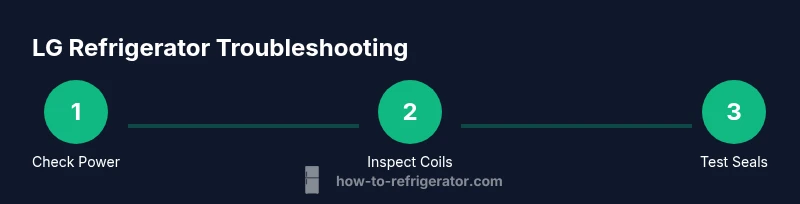
Start with safety: unplug the fridge and remove excess items from around the back to access coils. Inspect condenser coils; if dusty, clean with a soft brush or vacuum. Next, verify the thermostat setting, and ensure both doors seal properly. If the interior is cold enough but not at the right spots, test the air vents and door gaskets for leaks. For frost issues, check the defrost timer or heater circuit if accessible; many LG models use automatic defrost, and a failing heater will cause frost buildup. If you identify a likely faulty sensor or control board, consult a professional with model information and error codes.
When to Call a Pro and What to Expect from Repairs
Not all issues are DIY friendly. If you notice persistent cooling failures, refrigerant or oil odors, ice maker malfunctions, or a burning electrical smell, contact a certified appliance technician. If your unit is under warranty, refer to the policy terms and arrange authorized service to preserve coverage. When you call, have your model number, serial, and the observed symptoms ready, along with any error codes from the smart diagnostics feature. A technician will typically inspect electrical connections, sensors, fans, and the compressor, and may perform tests with specialized equipment. Costs vary by region and problem, but a professional repair can restore function and protect your investment.
Energy Efficiency and Longevity: Keeping Your LG Refrigerator Healthy
Energy efficiency is not only about saving utility bills; it also reduces wear on the compressor and extends the life of the appliance. Maintain proper airflow around the unit, avoid frequent door openings, and keep the temperature around provided setpoints. A well-maintained LG refrigerator will run more quietly and steadily, resulting in improved cooling performance and reduced frost risk. Use the energy saver modes when available, set the freezer to 0-5 F (-18 to -15 C) and the fridge to 35-38 F (1.7-3 C) as practical guidelines, and monitor the dashboard to catch drift early. With routine care, your LG refrigerator can serve reliably for many years, with fewer emergency service visits.
Tools & Materials
- Multimeter(Check electrical connections and thermostat circuits)
- Screwdriver set(PH2 and flat-head, insulated for safety)
- Coil brush / soft brush(Clean condenser coils without bending fins)
- Cloths and towels(Lint-free for surfaces and catching condensation)
- Towel and bucket(Catch defrost drain water if needed)
- Insulated gloves(Protect hands when working near cold components)
- Flashlight or headlamp(Illuminates back panel and coil area)
- LG user manual or troubleshooting guide(Model-specific guidance and error codes)
Steps
Estimated time: 30-60 minutes
- 1
Power down safely
Unplug the refrigerator or switch off the circuit breaker before touching any internal components. This reduces the risk of electric shock and prevents accidental compressor starts during inspection.
Tip: Double-check that the unit is completely de-energized before opening panels. - 2
Inspect condenser coils
Locate the coils on the back or bottom and check for dust, pet hair, or debris. Use a coil brush or vacuum to remove buildup so heat can escape efficiently.
Tip: Do not use a sharp tool to scrape coils; gentle brushing preserves fin integrity. - 3
Check door seals and gaskets
Close the doors on a dollar bill or similar piece of paper. If you can pull it out easily, the seal leaks. Clean the gasket and replace if cracked or deformed.
Tip: Perform this check with the door fully closed for accuracy. - 4
Test temperature settings
Ensure fridge is set around 37-38 F (3-6 C) and freezer around 0-5 F (-18 to -15 C). If temperatures drift, calibrate via control panel or consult model-specific guidance.
Tip: Document current settings before adjusting, so you can revert if needed. - 5
Inspect defrost drain
If you notice frost buildup or water pooling, locate the defrost drain and flush with warm water to clear blockages. Do not use boiling water.
Tip: Pour slowly and catch runoff with a towel to prevent pooling inside the fridge. - 6
Listen for abnormal noises
With power restored, listen for unusual buzzing, clicking, or grinding. Identify whether noises come from the compressor, condenser fan, or evaporator fan and plan next steps.
Tip: If noises persist, document the sound and its timing for a technician.
FAQ
Why is my LG refrigerator not cooling properly?
Not cooling can stem from temperature settings, dirty coils, or door leaks. Start with basic checks like seals, thermostat, and coil cleanliness before pursuing professional service.
Not cooling often starts with simple checks like the door seals and coil cleanliness. If the problem persists, seek professional help.
How often should I clean condenser coils on an LG fridge?
Aim to clean condenser coils every 6 to 12 months, or more often in dusty environments or homes with pets. Regular cleaning improves heat exchange and efficiency.
Clean coils every 6 to 12 months, or more often if your home is dusty or you have pets.
Is it safe to defrost the drain myself?
Defrosting a clogged drain can be safe if done carefully with warm water and proper protection. Avoid forceful methods and stop if you smell refrigerant or feel resistance.
You can try flushing with warm water carefully, but stop if you sense refrigerant or any hazard.
When should I call a pro for an LG refrigerator?
Call a pro when not cooling after basic checks, when you detect refrigerant smells, persistent ice maker issues, or electrical burning smells. Warranty status may affect coverage.
Call a pro if basic checks don’t fix the issue or you notice signs like refrigerant smells or electrical problems.
Do LG warranties typically cover repairs?
Warranty terms vary by model and purchase date. Review your documentation and contact the manufacturer or an authorized service provider to understand coverage.
Warranties differ by model; check your paperwork or contact LG for specifics.
What maintenance improves energy efficiency long-term?
Regular coil cleaning, door seal checks, and keeping the temperature setpoints stable are the simplest ways to maintain efficiency and prolong the life of your LG refrigerator.
Keep coils clean, seals tight, and temperatures stable to stay efficient longer.
Watch Video
Top Takeaways
- Know the basic LG cooling loop and common failure points
- Regular coil cleaning improves efficiency and cooling
- Use smart diagnostics to pinpoint issues before calling a pro
- Safety first: unplug before inspection, handle components with care
- DIY tasks are best for simple fixes; call a pro for leaks or refrigerant work