General Electric Refrigerator: Troubleshooting & Maintenance
A practical, step-by-step guide to diagnosing, repairing, and maintaining a general electric refrigerator. Learn safe techniques, common issues, and tips to improve efficiency and extend lifespan.


By the end of this guide, you will be able to diagnose and address common issues with a general electric refrigerator, perform safe maintenance, and prevent future faults. You’ll learn to check thermostat settings, door seals, condenser coils, defrost drains, and airflow, plus practical safety steps for DIY fixes before calling a professional.
The Evolution of General Electric Refrigerators and Why Reliability Matters
General Electric refrigerators have been a staple in American homes for decades. When you own a general electric refrigerator, you expect dependable cooling, quiet operation, and straightforward maintenance. The brand's lineup spans from compact top-freezers to high-end French-door models, but the underlying principles of operation remain consistent: a sealed refrigeration cycle, a compressor, condenser coils, evaporator, and a defrost system. Reliability matters because a malfunction can lead to spoiled food, wasted energy, and costly service calls. In this guide, the How To Refrigerator team shares practical steps to diagnose and repair common GE fridge issues and to maintain peak performance. According to How To Refrigerator, regular upkeep reduces unexpected breakdowns and keeps your unit running efficiently. We'll walk through safe procedures you can perform yourself and identify when a pro should be called. Remember, work with the power off and follow all safety precautions—refrigeration components can carry shocks if mishandled.
Key Features to Consider in a GE Refrigerator
GE refrigerators are designed with a mix of traditional cooling elements and modern controls. When assessing a general electric refrigerator, look for features like frost-free operation, precise electronic temperature controls, adjustable shelves, multi-vent airflow, and energy-saving modes. Many GE models also include door alarms, ice/water dispensers, and diagnostic indicators. Understanding these features helps you spot when a unit isn’t performing as expected and guides you toward the right maintenance steps. For homeowners, prioritizing energy efficiency and reliable door seals often yields the best long-term value. The How To Refrigerator team notes that well-maintained coils and seals contribute significantly to minimizing energy use and extending life.
Common Problems and Diagnoses
Not cooling, temperature inconsistencies, frost buildup, and unexplained noises are among the most frequent complaints for GE units. A not-cooling condition can stem from thermostat misadjustment, a failed compressor, or airflow blockages. Frost buildup suggests defrost issues or a blocked defrost drain. Water leaks usually indicate a blocked drain or loose connections, while unusual noises may point to a failing compressor, fan, or misaligned shelves causing vibration. Pinpointing root causes requires a methodical approach: verify power and settings, inspect seals, test airflow, and examine the defrost system. Remember to consult the owner’s manual for model-specific diagrams and safety notes.
Routine Maintenance That Pays Off
Regular maintenance helps prevent many common GE refrigerator problems. Clean condenser coils every 6–12 months (more often in dusty kitchens), inspect and replace door gaskets if loose, wipe down interior surfaces to prevent mold, and ensure proper airflow from the front grille. Change water filters on schedule if your model includes a dispenser. Keep a drip tray or towel in place during defrost checks to catch any water. These simple tasks lower the odds of a sudden breakdown and help your refrigerator run more efficiently, which is especially important for larger GE models with multiple cooling zones.
Troubleshooting Quick Fixes
Before calling a technician, perform quick, safe checks your GE refrigerator owner’s manual recommends. Start by confirming the unit is plugged in and the circuit breaker is intact. Check thermostat settings and ensure doors are sealing properly. If you notice frost or ice near the evaporator, defrosting for a short period may be needed, but only if your model supports manual defrost. Clear any obstructions blocking vents or grills. Finally, inspect the rear of the unit for visible dust on coils and clean if accessible. Each of these steps takes only a few minutes and can fix many common concerns without tools.
Safety First When Working With Refrigerators
Always disconnect power before inspecting electrical components. Use insulated gloves and dry hands when handling any exposed wiring or metal parts. Avoid using sharp tools on plastic gaskets, and never attempt to repair a refrigerant leak yourself—refrigerant handling requires licensed professionals. Keep children and pets away from working areas, and place a towel or container to catch any defrost water. If you smell gas or see oil around the compressor, stop immediately and call a pro. These precautions protect you and extend the life of your GE refrigerator.
When to Call a Pro
If basic checks don’t restore cooling, or if you encounter ongoing leaks, refrigerant smells, a humming noise from the compressor, or a non-replaceable component failure, it’s time to contact a professional. A GE-certified technician can diagnose refrigerant integrity, capacitor health, and compressor operation with proper tools and safety protocols. While some fixes are DIY, attempting complex repairs on a refrigerant system or sealed unit without training can be dangerous and may void warranties. The How To Refrigerator team recommends weighing the cost of professional service against the potential risk of DIY errors.
Energy Efficiency and Long-Term Care
To maximize the efficiency of your GE refrigerator, maintain optimal ambient room conditions (stable temperature, adequate clearance for air intake, and away from heat sources). Keep door seals clean and free from cracks, and replace worn gaskets promptly. Schedule coil cleaning and filter changes in line with manufacturer guidelines. Energy-efficient operation also benefits from level placement and stable interior temperatures, which reduce compressor workload. With consistent maintenance, your general electric refrigerator will consume less electricity and deliver reliable cooling for years.
Extending the Life of Your GE Refrigerator
Proactive care extends the life of a GE refrigerator. Maintain stable room conditions, clean coils, and promptly address any unusual sounds or leaks. Keep the interior organized to avoid overloading the fan or airflow paths, and check door alignment periodically. Document maintenance tasks with dates to track wear and plan replacements before failures occur. A well-maintained unit not only lasts longer but also preserves food safety and resale value. For homeowners, staying current with service intervals and recognizing early warning signs are key to a long, trouble-free service life.
Tools & Materials
- Screwdriver set (Phillips & flathead)(Medium-sized and magnetic tips are helpful)
- Multimeter(For checking electrical components safely)
- Torx/hex driver set(Model-dependent fasteners for panels)
- Soft lint-free cloths(For cleaning coils, gaskets, and surfaces)
- Bucket or shallow tray(Catch defrost water and spills)
- Owner’s manual for GE refrigerator(Model-specific diagrams and safety notes)
- Flashlight(Inspect coils and interior components clearly)
Steps
Estimated time: 40-60 minutes
- 1
Power down and prepare safely
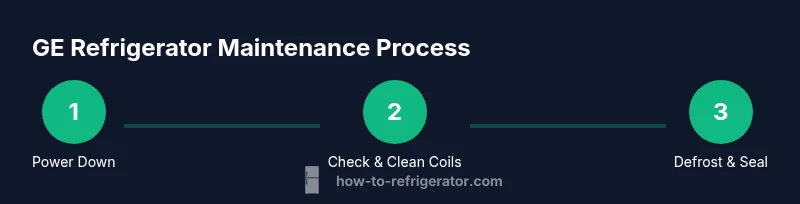
Unplug the refrigerator and switch off the circuit breaker if accessible. Move objects away from the back to access vents and coils. Gather your tools and a towel or tray to manage any defrost water. Safety first ensures you won’t accidentally contact live components.
Tip: Always unplug before touching electrical parts to prevent shocks. - 2
Check settings and power
Verify the thermostat is set to the recommended range and that the unit is actually receiving power. If the display is dark, confirm the outlet and circuit are working. A simple reset can fix transient electronics glitches.
Tip: Document the current settings before changing them, so you can revert if needed. - 3
Inspect door seals
Carefully examine gaskets for cracks, tears, or deformities. Perform the dollar-bill test by closing a bill in the door gasket and pulling it out; if it slides out easily, the seal may be worn and needs replacement.
Tip: Clean the gaskets with a mild soap solution to remove debris that impedes sealing. - 4
Clean condenser coils
Unplug the unit and locate the condenser coils on the back or beneath the fridge. Use a soft brush or Compressed air to remove dust buildup, then wipe with a damp cloth. This improves airflow and cooling efficiency.
Tip: Do not bend coil fins; work gently to preserve airflow paths. - 5
Check defrost drain and ice maker
Inspect the defrost drain for clogs and clear with a flexible, non-metallic tool if needed. If your model has an ice maker, ensure the water line is connected and free of kinks. Clear any ice jams that block the dispenser.
Tip: Never use sharp objects to poke a drain; use a flexible snake designed for drains. - 6
Test airflow and interior temperature
After reassembling, plug the unit back in and wait 15–30 minutes while monitoring internal temperatures. Ensure air can circulate around shelves and avoid overloading the pantry side with warm items.
Tip: Allow 20–30 minutes for temperature stabilization before judging performance. - 7
Document results and plan next steps
Record what you checked, what you found, and any replacements or adjustments made. If issues persist, compare to the manufacturer’s troubleshooting guide and decide whether a professional repair is warranted.
Tip: Taking photos during disassembly helps with accurate reassembly later.
FAQ
What are the most common GE refrigerator problems?
Not cooling, frost buildup, leaks, noisy operation, and door sealing issues are among the most frequent complaints. Systematic checks of settings, seals, and airflow often pinpoint the cause.
The most common GE fridge problems are not cooling, frost buildup, leaks, and noisy operation. Start with settings, seals, and airflow checks.
Can I fix a GE refrigerator not cooling by myself?
Many not-cooling issues stem from simple fixes like thermostat settings or door seals. More complex problems, including compressor or refrigerant concerns, require a licensed technician.
Some not cooling issues you can fix yourself, like settings and seals. Complex problems may need a licensed technician.
How often should I clean condenser coils?
Aim to inspect and clean condenser coils every 6–12 months, more often in dusty environments. Regular cleaning helps maintain efficient cooling and lowers energy use.
Clean condenser coils every 6–12 months, more often if your kitchen is dusty.
Why is my GE refrigerator making a humming noise?
A soft hum can be normal, but persistent, loud noises may indicate a misaligned shelf, a failing fan, or an obstructed vent. Inspect the fan area and ensure items aren’t vibrating against components.
A soft hum can be normal; loud noises may mean a fan problem or obstruction. Check the fan and vents.
Is it safe to unplug during maintenance?
Yes, unplugging before maintenance is recommended. Always power off at the breaker if you can access it, and replug only when you’re ready to test after repairs.
Unplug before maintenance, preferably at the breaker. Reconnect only after you’re ready to test.
When should I replace a GE refrigerator part?
Replace parts showing visible wear, cracks in gaskets, or recurring failure after troubleshooting. For critical components like compressors or refrigerant-related parts, consult a technician.
Replace worn parts like gaskets, and consult a pro for critical components like compressors.
Watch Video
Top Takeaways
- Identify the problem with a methodical approach.
- Keep condenser coils clean to maximize efficiency.
- Seal doors properly to minimize cold-air loss.
- Check defrost drains and ice maker connections to prevent water issues.
- Call a pro when refrigerant or compressor issues are suspected.