Fridge with Water and Ice Dispenser: Troubleshooting Guide
Learn to diagnose and fix common problems in a fridge that includes a water and ice dispenser. This guide covers water supply, filters, ice maker, defrost drains, and step-by-step checks for reliable dispensing.


This guide helps homeowners troubleshoot a fridge with a water and ice dispenser. You’ll diagnose leaks, ice maker jams, slow water flow, and dispenser issues, then follow safe, step-by-step checks for valves, lines, filters, and defrost drains, including how to test the water supply and verify proper drain flow safely.
Understanding the Water & Ice System in a Fridge
A fridge with a water and ice dispenser relies on a network of components working in harmony: the water inlet valve, drink line, water filter, dispenser switch, ice maker assembly, and the defrost drain. When one part fails, you may notice leaks, slow water flow, ice that doesn’t eject, or the dispenser becoming stubborn. According to How To Refrigerator, regular maintenance helps prevent many issues by keeping lines clean and seals intact, reducing the risk of leaks and blockages. Understanding how these pieces connect helps you diagnose problems more quickly and perform safer, more effective maintenance. The How To Refrigerator team emphasizes starting with the simplest checks before moving to more involved repairs, which saves time and reduces the chance of accidental damage.
Common Failure Modes and Quick Checks
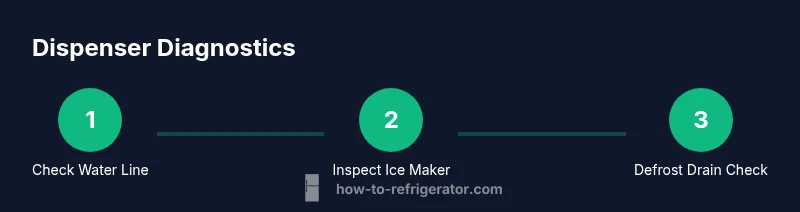
Most dispenser problems fall into a few categories: water supply issues, ice maker jams, clogged filters, and blocked drainage. Start with the water supply: ensure the house supply valve is open, the line to the fridge isn’t kinked, and the inlet screen is free of debris. If water flows slowly or intermittently, inspect the water filter and replace if it’s clogged or past its recommended service life. Next, consider the ice maker: a jammed ice chute or a stuck arm can halt production. Finally, defrost drains can clog, causing water to back up and leak into the fridge. These checks form the backbone of a quick, safe diagnostic routine that minimizes unnecessary disassembly.
Safety First: Before You Begin
Working on a fridge can involve sharp edges, electrical components, and water near electricity. Always unplug the unit before opening access panels and never put hands into moving parts while powered. Use a dry towel or tray to catch spills and place containers to collect any water that escapes during testing. If your fridge is built into cabinetry or you’re uncomfortable with any step, pause and consult a professional. Following basic safety steps protects you and prevents accidental damage to sensitive components.
Tools, Pre-Checks, and Setup
Gather essential tools before you start: a Phillips screwdriver, a flashlight, a towel, a bucket, and if you’re comfortable, a multimeter for basic electrical checks. Have the user manual handy for model-specific instructions and part locations. If you’re not sure where a part lives, consult the diagram inside the fridge or search for your model number online. Ensure the kitchen area is well lit and ensure pets and children are away from the work zone. This preparation reduces mishaps and helps you move through fault isolation more smoothly.
Understanding the Water Line, Valve, and Filter
Water delivery begins at the water supply valve, travels through a flexible line, and ends at the dispenser or ice maker. A clogged or frozen line, a defective inlet valve, or a failing filter can impede flow. The water filter is designed to remove particulates that can clog small passages; if it’s overdue for replacement, it may significantly reduce water flow or cause the dispenser to stop delivering water. In many cases, cleaning the inlet screen and replacing the filter resolves the problem without expensive repairs.
Ice Maker Assembly and Defrost Drain
The ice maker is a separate subsystem from the water dispenser, but the two share lines and controls. A jam in the ice mold, a broken fill valve, or a stuck arm can prevent ice from forming or releasing. Defrost drains remove condensation and meltwater from freezer compartments; a clogged drain can back up and create leaks into the fresh-food compartment. Regular inspection of the ice maker, including verifying the fill level and listening for the tell-tale hum of the motor, helps distinguish ice-related faults from water supply faults. Proper drainage is essential to prevent water pooling and mold growth.
Final Checks and When to Call a Pro
After running through the checks, reassemble access panels, restore power, and test both the water and ice dispensers. If water flow remains slow, the ice maker won’t form, or you see persistent leaks despite the checks, it’s time to contact a professional. The issue may involve internal electronics, a failed valve, or a defective ice-maker module that requires specialized tools and replacement parts. The How To Refrigerator team recommends documenting model numbers and the steps you’ve taken when you call for service, which speeds up diagnosis and reduces downtime.
Tools & Materials
- Phillips screwdriver(Medium size; helps remove panels.)
- Flashlight(Illuminates hidden corners.)
- Towel or absorbent rag(Catches spills to prevent slips.)
- Bucket or tray(Contains drips during testing.)
- Gloves(Protect hands from sharp edges.)
- Multimeter (optional)(For basic electrical checks if you’re comfortable.)
Steps
Estimated time: 60-90 minutes
- 1
Power down and prep
Unplug the fridge at the wall to cut power. Remove items around the work area and place a towel underneath potential spill zones. Wait 60 seconds to ensure capacitors discharge before touching internal components.
Tip: Label the unplugged cord to avoid confusion during reassembly. - 2
Locate the water inlet valve
Find the inlet valve where the flexible supply line enters the fridge. Inspect for kinks, cracks, or loose fittings. If accessible, gently shake the line to listen for any obvious leaks.
Tip: Use a flashlight to illuminate the valve area and confirm all connections are snug. - 3
Check the water line and filter
Inspect the supply line for visible damage and remove any ice blockage near the valve. If your model uses a replaceable water filter, remove and inspect it; replace if it appears discolored or clogged. Reconnect securely.
Tip: When replacing the filter, mark the date on the filter or reminder so you know when to replace next. - 4
Inspect the ice maker assembly
Open the freezer, locate the ice maker, and check for jammed ice or a stuck arm. If there’s a jam, clear it gently with a non-metal tool. Listen for the motor’s hum when attempting to cycle.
Tip: Do not force the ice mold; damaged components may require replacement. - 5
Check the defrost drain
Locate the defrost drain in the freezer base or rear wall. Look for slow drainage or clogs; clear with a small flexible brush or warm water if safe for your model. Ensure the drain path isn’t blocked by debris.
Tip: Flush with a gentle stream of warm water to dissolve mineral buildup. - 6
Test valves and seals
With power restored, test the water valve by watching for steady flow when the dispenser is pressed. Check door seals around the dispenser and doors for gaps that could cause leaks or condensation.
Tip: If the valve doesn’t energize, it may be a control board issue, requiring professional service. - 7
Reassemble and run a final test
Secure all panels, reconnect the water line, plug in the unit, and run a full test of both water and ice. Note any persistent issues for the service call.
Tip: Keep a log of issues observed and any parts replaced for faster diagnosis later. - 8
Know when to call a pro
If you observe persistent leaks, electrical smell, or the system still misbehaves after checks, schedule a professional diagnosis. Complex failures often involve electronics or sealed refrigeration components.
Tip: Document model number and fault symptoms before calling to expedite help.
FAQ
Why is the water dispenser not flowing?
Check the water supply valve, ensure the line isn’t kinked, and inspect the inlet screen for debris. If the filter is overdue, replace it and re-test.
First check the valve and line; if that looks good, replace the water filter and retest the dispenser.
Why is the ice not dispensing from the ice maker?
Inspect for a jam in the ice mold or a stuck arm. Clear any ice obstruction carefully and listen for the motor when attempting to cycle.
Look for ice jams and listen to the ice maker motor when you try to cycle it.
How often should I replace the water filter?
Follow the manufacturer’s guidance and indicator lights. If you can’t tell, replace the filter when you notice slower water flow or cloudy water.
Check the manual or indicator light; replace the filter when flow slows or water looks cloudy.
What safety steps should I take before inspecting the fridge?
Always unplug the unit and dry hands before touching parts. Keep spills contained and avoid working around electrical components.
Unplug the fridge, dry your hands, and keep the area clean and dry.
What could cause slow water flow?
A clogged filter, a kinked line, or a weak valve can slow flow. Inspect each in turn and replace clogged parts.
Often a clogged filter or kinked line is to blame—check those first.
When should I call a professional?
If leaks persist after checks or you smell burning or hear strange noises, a professional diagnosis is advised.
If issues persist or you notice burning smells, get a professional to check it.
Watch Video
Top Takeaways
- Identify whether the issue is water or ice related.
- Check the water line, valve, and filter first.
- Ice maker jams are common but solvable with safe clearing.
- Defrost drain problems cause leaks and require prompt attention.