How to Troubleshoot and Maintain a Cafe Refrigerator
Comprehensive, step-by-step guide to diagnose, maintain, and repair a cafe refrigerator. Learn safe DIY checks, seal and coil care, defrost drainage, temperature validation, and when to call a professional.


By following this guide, you’ll learn how to diagnose, maintain, and safely repair a cafe refrigerator. You’ll perform practical checks on temperature accuracy, door seals, condenser cleanliness, defrost drainage, and airflow, with clear safety steps and guidance on when to call a professional today for best results at home too.
Understanding cafe refrigerators: what makes them different
Cafe refrigerators are built to handle high daily usage, frequent door openings, and precise temperature control for perishable foods and beverages. In commercial kitchens, consistency is critical: a small temperature drift can compromise safety and taste. According to How To Refrigerator, cafe refrigerators in busy venues require reliable temperature stability and accessible maintenance access panels. These models often feature reinforced insulation, adaptable shelving, and heavy-duty door seals designed to withstand long service hours. For homeowners choosing a cafe-style model, the premium finishes and smart controls can be attractive, but you still benefit from following a regular maintenance schedule to protect food safety and energy efficiency.
Fans, evaporators, and condenser coils work together to remove heat. When any part falls out of spec, the cooling cycle slows or stops. A common misconception is that a noisy fridge means only a fan issue; sometimes a faulty thermostat or defrost system is at fault. The goal is to establish a baseline: know your model’s normal temperature range. For fresh-food sections, many professionals target roughly 35-38°F (2-3°C). Place a thermometer at the middle shelf away from vents for an accurate reading. If readings drift, the cause could be blocked airflow, dirty coils, a failing thermostat, or a compromised door seal.
To protect food safety, maintain door gaskets and keep the condenser clean. A worn gasket can admit warm air, forcing the compressor to work harder. Clean coils at least every 6 months, or sooner if you see dust buildup. Keep the area in front of the fridge clear and avoid overstocking, which blocks vents. By following these practices, you’ll extend the life of a cafe refrigerator and reduce energy waste, while keeping products at safe temperatures.
Essential features to check when evaluating a cafe refrigerator
When evaluating a cafe refrigerator, prioritize temperature control accuracy, humidity management, energy efficiency, and reliable door seals. A consistent internal temperature minimizes food safety risks and spoilage, while good seals reduce compressor workload and save energy. Look for adjustable shelves, fan-assisted cooling for even distribution, and a defrost system that prevents frost buildup without overworking the compressor. How To Refrigerator analysis shows that regular checks support reliability and reduce service interruptions. Check user manuals for model-specific recommendations on defrost cycles, ventilation clearance, and recommended cleaning intervals. If your model includes smart controls, confirm compatibility with your kitchen management system and ensure software updates are available and applied.
Consider the footprint and airflow behind the unit; blocked intake or exhaust can cause overheating and inefficiency. In busy cafes, a robust condenser and accessible maintenance panels are valuable features for quick servicing. Compare energy ratings and door configurations (swing vs. French doors) to match your workflow and layout. Finally, verify parts availability and warranty terms so you can source replacements quickly without long downtime. This approach helps you pick a cafe refrigerator that serves your needs reliably while staying energy-conscious.
Routine maintenance you can perform monthly
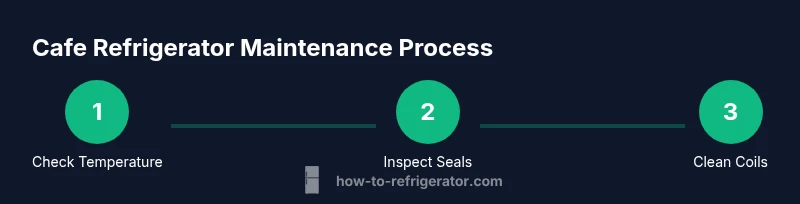
A regular maintenance routine keeps cafe refrigerators running smoothly and helps avoid sudden failures. The core tasks are straightforward and safe for DIY when you follow proper precautions. First, unplug the unit before any inspection or cleaning to prevent electrical shock. Then, inspect and clean door gaskets; wipe away residue that could compromise seal integrity. Next, vacuum or brush the condenser coils to remove dust and lint—clean coils improve heat transfer and reduce energy use. Check the evaporator fan for debris and verify that it spins freely without unusual noise. Finally, verify the temperature with a calibrated thermometer placed in the middle shelf, away from vents, and ensure the defrost drain is clear to prevent frost buildup. By performing these steps, you maintain consistent temperatures and extend the lifespan of the appliance. According to How To Refrigerator, ongoing care reduces the likelihood of service interruptions in busy kitchens.
In addition to the above, keep the area around the fridge clean and unobstructed. Maintain proper airflow by leaving a few inches of clearance on all sides and ensuring door swing does not collide with nearby equipment. A simple weekly wipe down and monthly coil cleaning can yield significant energy savings and improved performance.
Diagnosing common issues and actionable fixes
Not cooling properly is one of the most common issues with cafe refrigerators. Start by confirming the thermostat is set to the manufacturer-recommended range and the door seals are intact. If the temperature is consistently higher than target, check for blocked vents or overloaded shelves that restrict air circulation. Dirty condenser coils often contribute to poor cooling performance; clean them gently with a soft brush or vacuum. Listen for unusual fan noises, which can indicate a failing evaporator fan or motor. If frost accumulates on the evaporator, a malfunctioning defrost heater or timer could be the cause. Clear the defrost drain to prevent ice buildup that blocks airflow. Ensure the compressor hums without excessive vibration; a burnout or refrigerant leak requires a professional evaluation. If you observe signs of refrigerant leaks (hissing sounds, oily residue on connections), shut off power and contact a licensed technician immediately. Remember that refrigerant handling is hazardous and often requires specialized equipment and licensing. This focused approach helps you isolate faults quickly and decide whether a DIY fix is feasible or a pro is needed based on safety and skill level.
When in doubt, prioritize safety. Electrical components and refrigerant systems can pose risks, so do not attempt high-risk repairs beyond your training. If the diagnosis indicates a refrigerant issue, or if any repair involves disassembling major electrical components, call a licensed technician.
When to DIY and when to call a professional
DIY maintenance and minor adjustments can save time and money when performed safely. Simple tasks like cleaning coils, inspecting seals, and verifying temperatures fall under routine care. However, refrigerant leaks, compromised electrical wiring, or a failed compressor are high-risk issues that require professional intervention. If you detect signs of refrigerant release, strong electrical shocks, burning smells, or persistent cooling failures after basic troubleshooting, contact a certified repair service immediately. In commercial settings, a brief service interruption can affect food safety compliance and customer satisfaction, so plan service windows accordingly and maintain a backup cooling option if possible. Always consult the manufacturer’s warranty terms; some repairs may void coverage if performed by unqualified personnel. When done correctly, DIY maintenance improves efficiency and reliability, while professional support ensures safety and compliance for complex faults.
Selecting a cafe refrigerator for your kitchen and cafe
Choosing the right cafe refrigerator involves assessing capacity, layout, energy use, and finish. Start with your typical daily load and peak service hours, then choose a model with sufficient cubic feet, adjustable shelving, and ease of access for cleaning. Consider door style (swing vs. sliding) and the availability of modular shelving to accommodate various product sizes. Energy efficiency matters for ongoing costs; look for models with good insulation and a reputable energy rating. In cafe environments, durability and serviceability are critical, so verify parts availability and local service coverage. If you operate a high-volume cafe, you may benefit from models with reinforced hinges and thicker insulation that withstand frequent door openings. Finally, check warranty terms and after-sales service options. The How To Refrigerator team recommends pairing your new fridge with a regular maintenance schedule and on-site training for staff to maximize lifespan and performance.
Tools & Materials
- Screwdriver set(Phillips head #2 and flathead for panels)
- Digital thermometer(For accurate temperature readings on the mid-shelf)
- Soft cloth or microfiber cloth(For wiping gaskets and coils without scratching surfaces)
- Vacuum or coil brush(To clean condenser coils and behind the unit)
- Multimeter (optional)(For electrical checks if you suspect wiring issues)
- Gloves and eye protection(Safety gear for scraping dust and handling tools)
- Isopropyl alcohol or mild cleaner(For sanitizing shelves and surfaces)
Steps
Estimated time: 30-60 minutes
- 1
Unplug and prep
Power off the fridge and unplug the unit before inspecting. This prevents electric shock and accidental starts while you’re working. Move any perishables away and wipe the exterior to remove dust.
Tip: Always double-check that the unit is fully de-energized before starting. - 2
Inspect door seals
Check gaskets for cracks, tears, or deformities. A poor seal lets warm air in and forces the compressor to work harder. Clean the gasket surfaces with a damp cloth to remove grime that can prevent a tight seal.
Tip: Do a dollar-bill test: close a dollar bill in the door; if you can pull it out easily, the seal may be worn. - 3
Clean condenser coils
Locate the condenser coils (usually at the back or underneath). Remove dust using a soft brush or vacuum attachment. Clean coils improve heat transfer and lower energy use.
Tip: Do this job in a well-ventilated area and avoid bending delicate fins. - 4
Check the evaporator fan
Listen for smooth operation and verify no debris blocks the fan blade or airflow. A faulty fan can cause uneven cooling and frost accumulation.
Tip: If the fan doesn’t spin freely, don’t force it—defect may require replacement. - 5
Test thermostat and temperature
Place the thermometer in the middle shelf and compare readings to the set point recommended by the model. If readings drift, recalibrate or replace the thermostat as needed.
Tip: Allow 24 hours for a true reading after any thermostat adjustment. - 6
Inspect defrost drain
Look for frost or ice along the drain line. A blocked defrost drain can cause ice buildup and poor airflow. Flush the drain with warm water and a mild cleaner if needed.
Tip: Never use sharp objects to clear a drain; use a flexible brush or pipe cleaner.
FAQ
What is a cafe refrigerator?
A cafe refrigerator is a high-use, feature-rich cooling unit designed for commercial or upscale home use, with durable seals, robust insulation, and sometimes smart controls. It prioritizes consistent temperature and easy cleaning to support daily food and beverage service.
A cafe refrigerator is a heavy-duty, reliable cooling unit built for frequent door openings and precise temperature control.
Why isn’t my cafe fridge cooling properly?
Possible causes include a dirty condenser, faulty thermostat, door seal leaks, or blocked airflow. Start by checking seals and the temperature setting, then inspect the coils. If the issue persists, it may require professional service to diagnose refrigerant or compressor problems.
Check the thermostat, seals, and coils first; if it still won’t cool, a professional diagnosis may be needed.
How often should condenser coils be cleaned?
Clean condenser coils every 3–6 months in typical residential usage or more often in dusty environments. Regular cleaning helps maintain efficiency and reduces strain on the compressor.
Clean the coils every few months, especially if the unit runs hot or is in a dusty area.
Can I fix a defrost drain myself?
If the drain is clogged, you can flush it with warm water and a mild cleaner using a flexible brush. Do not use sharp tools that could damage the drain channel. If ice buildup persists, call a professional.
You can clear a simple clog, but if frost continues, seek professional help.
Are cafe refrigerators energy efficient?
Many cafe refrigerators are designed for efficiency, but performance depends on insulation, seals, and proper airflow. Look for models with good insulation and a reputable energy rating, then maintain it with regular cleaning.
Energy efficiency depends on how well you maintain seals and coils and your chosen model.
When should I replace a cafe refrigerator?
Replace when frequent repairs exceed the cost of a new unit, energy bills rise despite maintenance, or the unit fails to meet health and safety standards. Plan for downtime and proper disposal.
If repairs pile up or energy costs rise, it may be time for a replacement.
Watch Video
Top Takeaways
- Unplug before inspection and wear safety gear
- Check door seals and replace worn gaskets
- Clean condenser coils regularly to improve efficiency
- Verify temperature with a calibrated thermometer
- Call a professional for refrigerant or electrical faults