Cafe Fridge Repair & Maintenance: A Homeowner Guide
A practical, step-by-step guide for homeowners to diagnose and fix common cafe fridge issues, including seals, coils, thermostat, and airflow.


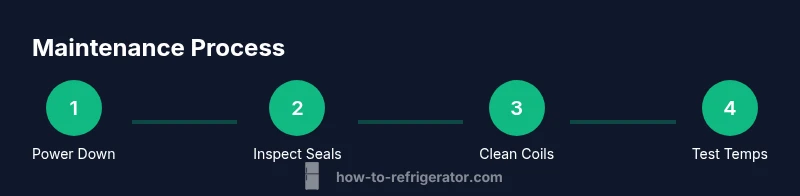
You will diagnose and restore a cafe fridge by checking power, door seals, condenser coils, and thermostat. Gather a flashlight, multimeter, and isopropyl alcohol; unplug before any repair; perform a 5-minute cleaning of coils; test temperature settings; and schedule service if compressor or sealed system issue is suspected. If you hear unusual noises, isolate, unplug, and inspect fan blades. According to How To Refrigerator, even simple maintenance can prevent costly repairs.
What a cafe fridge is and how it works
A cafe fridge is a lifestyle-forward appliance designed for residential kitchens that emphasizes aesthetics and user-friendly controls while preserving fresh food. At its core, it relies on a closed refrigeration cycle: a compressor compresses refrigerant, which releases heat through condenser coils, and the evaporator absorbs heat inside the cabinet. A thermostat, sensor, and defrost system regulate temperatures and prevent ice buildup. Modern cafe fridges balance energy efficiency with precise temperature control to keep perishables safe. Regular maintenance helps you spot problems before they become costly failures. Understanding these fundamentals helps homeowners troubleshoot without guessing.
Common symptoms you might notice
Not cooling, frost on interior surfaces, excessive condensation, or unusual noises are typical signs something isn’t right. If the fridge feels warm inside while the exterior is cool, there may be air flow issues or a faulty thermostat. Frost buildup can indicate a malfunctioning defrost cycle or a clogged defrost drain; noisy fans or a buzzing compressor may point to mechanical wear. Leaking water can come from blocked drains or door-seal gaps. Each symptom points to a different likely cause, guiding your next steps without unnecessary disassembly.
Safety first: unplug, inspect, and plan
Before you touch any components, unplug the fridge and move items away from the coils or public power sources. Safety gear like gloves and eye protection helps when you handle sharp edges or heating elements. Start with non-invasive checks: door seals for cracks or gaps, gaskets for pliability, and the back of the unit for visible dust or debris. Document what you find with notes or photos to guide your next actions or to share with a repair technician. If you smell burning or hear hissing refrigerant, stop immediately and contact a pro.
Cleaning and maintaining condenser coils and door seals
Condenser coils should be clean and free of dust for efficient heat rejection. Use a soft brush or vacuum to remove debris from the coils located either beneath or behind the fridge. Clean door seals with mild soap and water, inspecting for cracks or stiffness that could cause air leaks. A well-sealed cabinet reduces cycling strain on the compressor and improves energy efficiency. Schedule coil cleaning every 6–12 months depending on your environment and usage patterns.
Diagnosing temperature variability and airflow
Accurate airflow is essential for stable temperatures. Check that the internal fans run when the door is closed and listen for abnormal sounds. Ensure there’s enough clearance for air to circulate around the appliance—roughly 2 inches on the sides and 1 inch at the back, avoiding tight alcoves. Use a simple thermometer to verify zones: upper shelves typically stay cooler, while the bottom may run warmer if air is blocked. Small changes in airflow can have a big impact on performance.
Not cooling vs not freezing: root causes and quick fixes
If the fridge isn’t cooling but the freezer works, focus on airflow, gaskets, or a dirty condenser. If the freezer is also compromised, suspect a faulty compressor, sealed refrigerant system, or a defective thermostat. Start with non-invasive fixes: reseat the thermostat sensor, replace a worn door seal, and clean coils. For persistent issues, professional inspection is recommended, especially if the refrigerant lines or compressor are involved.
When to replace components vs call a pro
Some issues are cost-effective DIY fixes, like replacing a door seal or cleaning coils. More serious problems—persistent warm interior despite a functional condenser, frost-free failure, or suspected refrigerant leaks—usually require professional service. If your cafe fridge is older than a decade or the repair cost approaches a significant fraction of a new unit’s price, weigh replacement vs repair. A pro can perform leak checks and safe refrigerant handling.
Long-term care to extend cafe fridge life
Adopt a routine that includes periodic coil cleaning, door seal checks, and temperature calibration every few months. Keep the location well-ventilated and out of direct heat or sunlight. Use a dedicated thermometer to monitor performance and avoid overloading to maintain ideal airflow. Regular maintenance reduces energy use and minimizes the likelihood of costly breakdowns while preserving food safety and appliance longevity.
Tools & Materials
- Multimeter(Test thermostat and motor resistances as needed)
- Phillips and flat-head screwdriver set(Access panels and components)
- Nut drivers or socket set(Coil housing or fan covers)
- Soft brush and microfiber cloth(Dust coils and wipe seals)
- Vacuum with brush attachment(Remove deeper dust from coils)
- Gloves and safety glasses(Personal protection for handling components)
- Isopropyl alcohol (70%+)(Clean contact surfaces safely)
- Mild dish soap and warm water(Gentle cleaning of seals and exterior)
- Thermometer (interior)(Verify temperature zones)
- Owner’s manual or model-specific service guide(Reference for wiring and parts)
Steps
Estimated time: 60-90 minutes
- 1
Power down and unplug
Safely unplug the unit and move any nearby items away from the power source. This prevents shocks while you inspect electrical components and coils. Do not plug back in until all checks are complete.
Tip: If you can’t access the plug safely, switch off the circuit breaker first. - 2
Inspect door seals and gasket
Look for cracks, tears, or compressed sections where air can escape. A flexible gasket should seal evenly around the door. Replace if damaged to maintain proper cooling.
Tip: Test by closing the door on a slip of paper; if you can pull it out easily, the seal may be worn. - 3
Clean condenser coils
Locate coils (usually under or behind the fridge) and remove dust with a soft brush. A clean coil improves heat rejection and reduces compressor load, which helps maintain consistent temps.
Tip: Do not use metal tools that could bend fins. - 4
Check thermostat and temperature settings
Verify the thermostat is set to the manufacturer’s recommended range (often around 37–40°F/3–4°C for fresh food and 0°F/-18°C for the freezer). Adjust gradually and monitor for stabilization over 24 hours.
Tip: If you are unsure of the correct range, consult the user manual. - 5
Test evaporator fan and airflow
With the door open, observe the evaporator fan. If it doesn’t run or makes scraping noises, it may need replacement. Ensure air can circulate around shelves.
Tip: A blocked airflow path can mimic a thermostat problem. - 6
Check defrost and drain path
Look for frost buildup on the evaporator and ensure the defrost drain is clear. Frost blocks airflow and can cause ice formation and temperature swings.
Tip: If you see frost, consider a manual defrost cycle as a temporary measure. - 7
Listen for abnormal noises
Unusual buzzing or humming can indicate a failing compressor or misaligned components. Document sounds and check for vibration isolation.
Tip: Avoid manipulating the compressor area without professional guidance. - 8
Power up and monitor performance
Plug in the unit and observe for 24–48 hours. Use a thermometer to confirm temperatures stay within the target range and adjust if needed.
Tip: Keep a log of temperatures and any noise or leaks. - 9
Decide on next steps
If temps are unstable after basic checks, or if you suspect a sealed system or refrigerant issue, consult a professional. DIY fixes are best for non-critical components.
Tip: Professional service is recommended for refrigerant handling and sealed system work.
FAQ
Why is my cafe fridge not cooling properly?
Not cooling can result from dirty coils, a faulty thermostat, door leaks, or airflow obstructions. Start with door seals, coil cleaning, and thermostat checks before pursuing more complex repairs.
If your cafe fridge isn’t cooling, first check seals, clean the coils, and verify the thermostat. If those steps don’t help, consider professional service.
How do I safely clean cafe fridge coils?
Unplug the unit, access the coils, and gently remove dust with a soft brush or vacuum. Wipe with a damp cloth if needed. Avoid bending fins or dislodging components.
First unplug, then brush or vacuum the coils gently. Wipe away any remaining dust and be careful with the fins.
Is it safe to defrost manually if frost builds up?
Manual defrost is a temporary measure if you cannot access service right away. Power down, remove food, and let frost melt at room temperature. Dry the interior before restarting.
If frost is accumulating, you can do a quick defrost by powering off and letting it melt, then cleaning and drying before turning back on.
When should I call a professional for a cafe fridge?
Call a professional if you notice refrigerant leaks, persistent warm temps, odd noises from the compressor, or if DIY fixes don’t restore proper cooling. Sealed-system work requires licensed technicians.
If you detect a refrigerant leak or sound coming from the compressor, it’s time to call a pro.
What maintenance should I perform monthly?
Check door seals, inspect coils, verify temperature with a thermometer, and wipe down surfaces. Keep the area around the fridge clear for optimal airflow.
Every month, check seals, clean coils, and verify temperatures with a thermometer.
Why is frost forming on the evaporator if the defrost cycle works?
Persistent frost can indicate a clogged defrost drain or a faulty heater. It may also point to a sensor issue. A technician can identify hidden faults.
If frost keeps forming even with a defrost cycle, you likely have a drain or heater issue that a pro should inspect.
Watch Video
Top Takeaways
- Inspect and seal door gaskets to restore efficiency
- Keep condenser coils clean to improve cooling
- Differentiate not cooling from not freezing for targeted fixes
- Use safe maintenance routines to extend fridge life
- Know when to call a professional for refrigerant-related issues