Bar Fridge Repair and Maintenance Guide
A practical, step-by-step guide to diagnose and fix common bar fridge cooling issues, with safety tips, maintenance routines, and expert recommendations for lasting performance.


By diagnosing and addressing common cooling issues, a bar fridge can be kept reliably cold. Start by checking door seals, cleaning condenser coils, ensuring proper airflow, and inspecting the thermostat. If the defrost drain is clogged or the compressor runs constantly, follow the step-by-step checks below to restore consistent cooling without replacing the unit.
What is a bar fridge and how it differs from a standard fridge
A bar fridge is a compact cooling appliance designed to store beverages and small snacks in tight spaces such as kitchenettes, home bars, or dorm rooms. Unlike full-size refrigerators, bar fridges prioritize compact dimensions, adjustable shelves, and sometimes glass doors for quick inventory. They share the same basic refrigeration cycle—compressor, condenser, evaporator, and thermostat—but run more efficiently at smaller capacities. For homeowners, understanding these nuances helps with troubleshooting, scheduling maintenance, and selecting the right model for a given space. When evaluating a bar fridge, consider the interior layout, door swing, energy usage, and temperature stability across shelves. Regular proactive care keeps drinks cold and prevents unexpected breakdowns that disrupt gatherings.
Common symptoms and what they mean
Not cooling or warm shelves are common complaints with bar fridges. If the unit runs continuously with frost buildup on the evaporator, the defrost system may be failing. A loud humming or clicking noise can indicate a failing condenser fan or compressor. Warm air around the door seals suggests a gasket leak or poor door alignment. Inconsistent temperatures—from a chilling zone to a slightly warm zone—often point to airflow blockages, dirty coils, or overfilled shelves restricting circulation. By mapping symptoms to likely causes, you can prioritize checks without assuming the worst.
Safety first: unplugging and basic precautions
Always unplug the bar fridge before starting any inspection or repair to avoid electrical shock. Move the unit away from walls to access condenser coils and ensure there is enough space for airflow. Wear dry gloves if you handle metal parts and keep liquids away from the power cord. Never pressure-test sealed components or attempt refrigerant work yourself. If you smell burning, see melted insulation, or notice exposed wires, stop and consult a professional immediately.
Diagnostic flow for not cooling: quick checks
Follow a logical sequence to identify the root cause without guessing. Start with the door seals and gasket integrity, then verify the thermostat setting, and finally inspect the condenser coils for dust. If the unit still won’t cool, check for ice buildup on the evaporator coil or frost in the defrost drain area. Record temperatures at the top, middle, and bottom shelves to spot airflow issues. This structured approach helps avoid unnecessary replacements and speeds up repairs.
Cleaning and maintenance routines to prevent issues
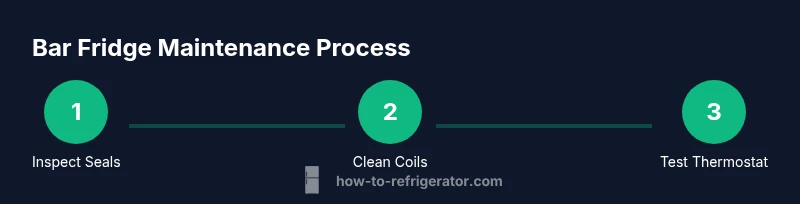
Regular maintenance reduces breakdowns and extends life. Vacuum or brush dust from condenser coils every 3-6 months, depending on usage and environment. Wipe door gaskets with a mild soap solution and dry thoroughly. Clean the interior with a gentle detergent and rinse, then air-dry before restocking. Keep bottles and containers aligned to avoid restricting airflow. Schedule professional service if you notice persistent frost or unusual noises.
Temperature control: how to set and verify temperatures
Bar fridges typically run best between 34-38°F (1-3°C). Use a fridge thermometer to verify accurate readings in the middle shelf area, away from the door. If readings differ by more than 2-3 degrees between zones, you may have airflow or seal issues. Make small adjustments and recheck after 24 hours to confirm stability.
Airflow, seals, and defrost drain considerations
Clear airflow paths are essential for consistent cooling. Keep items from blocking vents and avoid overpacking. Inspect door seals for cracks or deformation; replace damaged gaskets to restore airtight closure. A clogged defrost drain can cause frost accumulation; locate the drain line and flush with warm water and a small amount of vinegar if recommended by the manufacturer. Never use sharp objects to clear the drain.
When to call a professional and what to expect
If troubleshooting does not restore cooling, or you hear unusual noises, contact a certified appliance technician. Having the make, model, and serial number handy will speed service. Expect a diagnostic fee, followed by a quote for parts and labor. For warranty-covered units, confirm terms before authorizing work.
Tools & Materials
- Multimeter(Test electrical circuits and compressor start relays)
- Phillips-head screwdriver(For access panels and screws)
- Flat-head screwdriver(For prying covers gently)
- Towels or absorbent cloth(Clean spills and protect surfaces)
- Flashlight or headlamp(Inspect dark compartments and coils)
- Bar fridge thermometer(Verify internal temps)
- Condenser coil cleaning brush(Remove dust from coils)
- Bucket or tray(Contain water from defrost drain)
- Replacement door gasket (optional)(If gasket is cracked or loose)
Steps
Estimated time: 30-60 minutes
- 1
Power down and unplug
Unplug the bar fridge before touching any internal components. Move it away from walls to access coils and ensure there is no power in the circuit. Wipe surfaces to prevent drips and keep the work area safe.
Tip: Always dry-hands while handling the plug; avoid yanking the cord. - 2
Inspect door seals
Check gasket integrity for cracks, tears, or warping. Run a simple test by closing a sheet of paper at the door; if it slides out easily, the seal may be failing. Replace damaged gaskets to restore airtight closure.
Tip: If the seal is worn, replacement is more reliable than tape or temporary fixes. - 3
Check condenser coils and airflow
Disconnect power and visually inspect coils for dust and debris. Use a coil brush or vacuum to remove buildup, keeping at least 2 inches of clearance behind the unit for airflow.
Tip: Do not bend or damage the fins; clean with a soft brush to avoid damage. - 4
Verify thermostat setting
Ensure the thermostat is set to a cold but safe range (roughly 1-3°C or 34-38°F). Use a thermometer to confirm actual temperatures inside, especially near the middle shelf.
Tip: If readings are off, adjust in small increments and recheck after 24 hours. - 5
Inspect defrost drain and frost
Look for frost buildup on the evaporator and locate the defrost drain. Flush the drain with warm water; avoid chemical cleaners unless specified by the manufacturer.
Tip: Gentle flushing prevents damage and reduces the chance of leaks. - 6
Test airflow and fan operation
Listen for the fan and verify vents are unobstructed. If the fan is silent or noisy, it may indicate a faulty motor or capacitor that requires professional evaluation.
Tip: If the fan doesn’t start, do not attempt to force it; consult a pro.
FAQ
Why isn't my bar fridge cooling properly?
Several causes exist, including door seal issues, dirty coils, thermostat miscalibration, or frost buildup. Start with seals and coils, then check the defrost drain.
Not cooling? Start with the door seals and coils, then check the thermostat and defrost drain.
How can I tell if the condenser coils are dirty?
Look for visible dust on the coils. Use a condenser coil brush or vacuum to remove buildup. Dirty coils force the compressor to work harder and reduce cooling efficiency.
Dusty coils reduce cooling; clean them with a coil brush.
Is it safe to operate a bar fridge with a damaged door gasket?
A damaged gasket lets warm air in and wastes energy. Replace or repair the gasket rather than running with a compromised seal.
A damaged gasket lets in warm air; replace it.
How often should I clean the coils and seals?
Coils should be cleaned every 3-6 months with normal use; door seals should be checked monthly for wear and replaced if needed.
Clean coils every 3-6 months, check seals monthly.
When should I call a professional?
If you hear unusual noises, detect refrigerant smells, or the unit remains not cool after basic checks, contact a qualified technician.
If you hear odd noises or still struggle after checks, call a pro.
Top Takeaways
- Check door seals and airflow first
- Clean condenser coils regularly to maintain efficiency
- Verify temperature with an independent thermometer
- Avoid overpacking; reserve space for airflow
- Call a professional for persistent or unusual issues