Double Door Fridge Repair & Maintenance: A Homeowner's Guide
A homeowner-friendly repair guide for a double door fridge. Learn to diagnose sealing, cooling, frost, and noise problems with step-by-step actions, safety tips, and maintenance routines.


You can diagnose and fix common problems with a double door fridge by inspecting door seals, cleaning condenser coils, checking airflow, and verifying thermostat settings. This guide provides a safe, step-by-step approach, essential tools, and proactive maintenance tips to restore cooling, reduce frost buildup, and quiet noisy operation. If issues persist, seek professional service.
What a double door fridge is and why homeowners troubleshoot it
According to How To Refrigerator, a double door fridge typically combines a wide refrigerator compartment with a separate freezer section, accessed by two vertical doors. This design is popular for mid-sized and large kitchens because it maximizes storage flexibility and efficiency. Yet homeowners frequently troubleshoot this configuration when signs of trouble appear: uneven cooling, doors that don’t seal, frost buildup in the freezer, odd noises, or water pooling on the floor. Understanding how these systems work helps you pinpoint the root cause before you pick up tools. A typical two-door fridge shares a refrigerant loop and a single compressor with separate evaporators for the fresh-food and freezer compartments. The bigger your unit, the more points of potential failure you’ll encounter—ranging from door gaskets to defrost drains. Regular inspection and clean maintenance can prevent many issues from becoming expensive repairs.
Recognize that many symptoms overlap between problems. For instance, a door seal that’s slightly warped can cause frost buildup and poor cooling if warm air sneaks in. A dusty condenser coil reduces heat rejection, which can manifest as longer running times and higher energy use. By focusing on the core systems—the door seals, airflow, cooling components, and defrost mechanism—you can triage most common faults without specialized tools. This approach is especially valuable for homeowners who want to extend the life of a double door fridge and reduce repair costs.
In this guide you’ll find practical diagnostics, safe DIY steps, and clear indicators for when to call a professional. The emphasis is on safe handling, correct tool use, and confidence-building steps that empower you to keep your fridge performing at its best.
Key symptoms and quick checks
When a double door fridge exhibits issues, start with quick, observable checks before diving into repairs. Common symptoms include uneven or insufficient cooling, doors not sealing tightly, frost buildup in the freezer, unusual noises like buzzing or rattling, and water leaks on the floor. These signs point toward several potential culprits, from door seals and airflow to the defrost system and condenser coils. Here are the main symptoms and the fast checks you can perform:
- Not cooling evenly or at the set temperature: verify thermostat settings, airflow between compartments, and whether vents are blocked by groceries.
- Doors don’t seal: inspect door gaskets for cracks, tears, or missing magnets; test with a dollar bill by closing the door—if you can pull the bill out easily, the seal may be worn.
- Frost buildup in freezer: frost indicates defrost drain issues or a malfunctioning defrost heater; check for ice blocks around the evaporator.
- Excessive running time (the unit sounds loud): dusty condenser coils or a failing compressor can cause longer cycling; check fan operation.
- Water leaking inside or outside: confirm drain tube clear and that the defrost drain isn’t blocked; look for ice accumulation around the drain pan.
For not-cooling and frost symptoms, a quick temperature check with a separate thermometer placed in the fresh-food compartment can help verify if the internal temperature matches the setting. If readings are off by more than a few degrees, you’ll need to inspect components more thoroughly. While these checks can identify many issues, persistent or dangerous problems should be handled by a professional technician.
Remember to unplug the fridge before any interior inspection to avoid injury and refrigerant exposure. Regular maintenance—like cleaning coils, wiping seals, and keeping the fridge a few inches away from walls—prevents many common problems from developing.
Tip: Keep a small notebook of findings and dates for future reference; a simple maintenance log can help you spot trends and plan repairs more efficiently.
Essential tools and safety steps
Before you start, gather the essential tools and PPE to make the process efficient and safe. Having the right gear reduces the risk of damage to seals, electrical components, and yourself. The goal is to perform careful investigations, avoid contact with sharp edges, and prevent accidental refrigerant exposure.
- Safety gear: insulated gloves, safety glasses, and non-slip footwear.
- Basic hand tools: Phillips and flathead screwdrivers, socket or nut driver, and pliers.
- Electrical testing: a digital multimeter to check continuity and resistance in controls and thermistors.
- Cleaning materials: a soft brush, microfiber cloths, mild dish soap, warm water, and a vacuum with a soft brush attachment for coils.
- Special consumables: replacement door seals or gaskets if wear is found, and a defrost drain kit if the drain is blocked.
- Cleaning aids for coils: a non-metallic brush to avoid bending fins.
Safety reminders: always unplug the unit before opening the panels or touching electrical components. Never attempt refrigerant work unless you’re trained, as it can be hazardous and require licensed handling. If you suspect a refrigerant leak, contact a professional rather than attempting a DIY fix.
Step-by-step diagnosis and fixes
This section provides a focused, task-by-task plan to identify and address the most common faults in a double door fridge. Each step is a single, concrete action, followed by a brief rationale, and a practical tip.
-
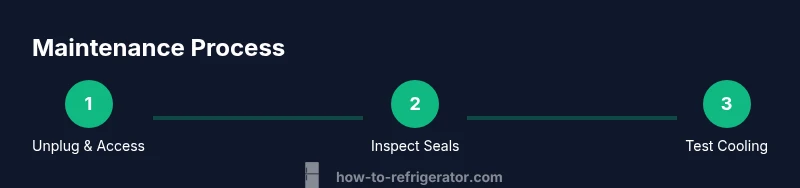
Unplug the fridge and open access panels Description: Safety first. Unplug the unit, move it to gain access to the back, and remove any rear access panels to expose condenser coils. Do not touch exposed wires or the compressor. This step isolates power and reduces risk while inspecting critical components. Tip: Have a helper with you to steady the fridge during panel removal and reassembly.
-
Inspect and clean door seals Description: Check seals for cracks, tears, or warping; wipe with warm soapy water to remove residue that can impede sealing. A faulty seal allows warm air to infiltrate, making the unit work harder and compromising cooling. Tip: Test the seal by closing a dollar bill in the door; if it slides out easily, replace the gasket.
-
Verify interior temperatures and adjust thermostat settings Description: Use the control panel to confirm set temperatures. If readings don’t align with the displayed setting, recalibrate or replace faulty temperature sensors. Poor temperature accuracy leads to uneven cooling and food spoilage. Tip: Allow the fridge to stabilize for 24 hours after any adjustment to get accurate readings.
-
Clean condenser coils and verify airflow Description: Dusty coils reduce heat rejection; gently vacuum and brush coils. Ensure the fan in the rear or bottom grille spins freely and isn’t obstructed. Proper airflow is essential to maintain consistent temperatures. Tip: Vacuum from several angles and use a brush to lift stubborn dust, but avoid bending coil fins.
-
Inspect evaporator and defrost components Description: If frost builds up excessively in the freezer, the defrost heater or thermostat could be faulty. Look for ice blocks on the evaporator and check the defrost drain for clogs. A congested drain causes water pooling and frost. Tip: If you find thick ice, manual defrost by unplugging for 12-24 hours while soaking up water with towels.
-
Check drainage and pan setup Description: Ensure the defrost drain line is clear and the drip pan is properly positioned to collect condensation. A blocked drain can cause water overflow and must be cleared with a flexible, non-metal tool. Tip: Flush a small amount of warm water through the drain to confirm unobstructed flow.
estimatedTime":"60-120 minutes"],
toolsMaterialsEndNote?null?}
tipsList":{"tips":[{"type":"pro_tip","text":"Document model number before ordering parts to ensure compatibility with door seals and defrost components."},{"type":"warning","text":"Never use metal tools on refrigerant lines or exposed copper tubes; risk of rupture and refrigerant exposure."},{"type":"note","text":"Keep screws organized by bag and label to speed reassembly."}]},
keyTakeaways
Tools & Materials
- Phillips head screwdriver(PH2 or PH1 depending on screws in your model)
- Flathead screwdriver(For prying panels gently without damaging plastic trim)
- Digital multimeter(Test resistance on sensors and fuses; verify power to components)
- Pliers(General gripping and removal of small parts or wires)
- Vacuum with brush attachment(Light dust removal from condenser coils)
- Soft brush(Clean coils and remove lint without bending fins)
- Towels and bucket(Mop up condensation and stray water during defrosting)
- Replacement door seal/gasket(Only if visual wear or damage is detected)
Steps
Estimated time: 60-120 minutes
- 1
Unplug and prepare your workspace
Safety first. Disconnect power and move the fridge enough to access the back panel. Clear the area of obstacles and place towels to catch any spills. Ensure you have good lighting to inspect components.
Tip: Have a partner assist with moving to avoid damaging flooring or the fridge skin. - 2
Inspect and clean door seals
Carefully inspect gaskets for cracks or warping. Wipe away residue with warm soapy water and dry completely. A clean seal improves cooling efficiency and prevents warm air infiltration.
Tip: Test the seal by closing a dollar bill in the gap; if it slips out easily, consider replacing the gasket. - 3
Check thermostat and temperature readings
Access the control panel and confirm the set temperatures. If readings don’t reflect the displayed settings, recalibrate or test the sensor with the multimeter. Correct temperatures prevent food spoilage and excessive compressor run time.
Tip: Allow 24 hours for the system to settle after major setting changes. - 4
Clean condenser coils and verify airflow
Gently vacuum and brush away dust from the condenser coils. Check that the rear or bottom fan spins freely and vents aren’t blocked by debris. Proper airflow is essential for efficient cooling.
Tip: Do not use sharp tools on fins; use a plastic brush to avoid punctures. - 5
Inspect evaporator and defrost components
Look for frost buildup; if present, check the defrost heater and thermostat for proper operation. A malfunction here causes ice and inconsistent cooling.
Tip: If frost is excessive, consider a controlled defrost or professional service if ice persists after defrosting. - 6
Check drainage and pan setup
Inspect the defrost drain for clogs and ensure the drip pan sits correctly. A blocked drain can cause water leaks and ice formation.
Tip: Flushing with warm water can clear minor blockages; avoid forcing material down the drain.
FAQ
What is a double door fridge and what makes it different from single-door models?
A double door fridge has two doors that separate the refrigerator and freezer or two vertical compartments with a shared cooling system. This design increases storage flexibility but introduces more potential fault points, such as seals, airflow, and defrost components.
A double door fridge has two doors and two compartments with a shared cooling system. It offers more space but more parts to check.
How can you tell if the door seals are failing?
Check for obvious cracks or gaps in the gasket and test by sliding a folded bill into the door seam. If the bill slides out easily, the seal may be worn and needs replacement. Uneven cooling nearby doors is another sign.
Look for cracks or gaps in the seal and test with a bill; if it slips out, seal needs replacing.
Is it safe to defrost manually if there is frost buildup?
Manual defrost is safe if you unplug the unit and allow ice to melt on towels. Avoid using sharp objects to chip away ice. After defrost, clean and dry thoroughly before powering on.
Yes, but unplug first and let the ice melt on towels; avoid chisels and sharp tools.
How long should a refrigerator take to cool after a power outage?
Most refrigerators recover within 6-24 hours after power is restored, depending on model, contents, and how warm the kitchen was. Do not overload with warm items during recovery.
Most fridges recover in about a day after power returns; give it time and avoid adding lots of warm food right away.
When should I call a professional for a not-cooling issue?
If the compressor runs continuously, temperatures stay above the set point, or there’s unusual sounds or refrigerant smell, contact a technician. Do not attempt refrigerant work yourself.
Call a pro if cooling doesn’t improve after basic checks or you hear unusual noises.
Watch Video
Top Takeaways
- Inspect seals and clean coils for immediate cooling gains
- Verify temperatures and airflow before replacing parts
- Defrost issues often stem from clogged drains or faulty heaters
- Regular maintenance prevents frost, leaks, and noise
- Only perform electrical checks if you’re confident and safe