Refrigerator Leak Water: Quick Fix Guide
Diagnosis and repair guide for refrigerator leak water. Learn to identify defrost drain blockages, pan misalignment, and door seal issues with a practical, step-by-step approach to stop puddles fast.


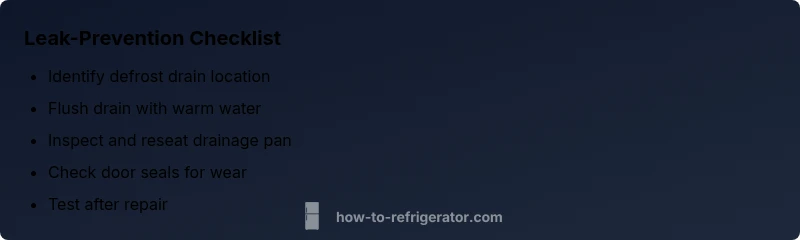
Most refrigerator leaks come from a clogged defrost drain or a blocked condensate tube, letting melted ice water pool where it shouldn’t. Start with the simplest fix: locate the defrost drain inside the freezer, flush it with warm water or use a pipe-cleaner to clear debris. Check that the drainage pan under the fridge is properly positioned and that doors seal tightly.
Understanding why refrigerator leak water happens
Water leaks around or under a refrigerator almost always come down to a drainage or sealing problem. In many models, melted frost from the freezer drains through a defrost system into a small drain tube that leads to a catch pan. If that path becomes clogged, water overflows into the fridge cavity or onto the floor. According to How To Refrigerator, moisture problems are rarely mysterious: the culprit is usually a simple, fixable blockage, misalignment, or worn seal. The most common causes include a blocked defrost drain, a mispositioned drain pan, foggy or faulty door seals, and a compromised ice-maker line. When you approach the problem, start with the easiest checks, because clearing a clogged drain or reseating a loose pan can stop the leak in minutes. Keep a towel handy and unplug the unit if you need to reach internal components safely. By understanding where water should go in your model, you’ll quickly locate the leak source and prevent damage.
Quick checks you can perform before disassembly
Begin with the simplest, non-destructive checks. Ensure the fridge is level and that the drainage pan under the unit is properly seated. Inspect door seals for gaps; a door that doesn’t seal creates extra condensation, especially in humid kitchens. Check the freezer and refrigerator compartments for frost build-up—excess frost typically signals a defrost cycle issue or a blocked drain. If you see water pooling around the base, confirm that the drip tray lines up with the outlet and that the outlet tube isn’t kinked. These quick checks usually catch the most common “refrigerator leak water” offenders without needing tools.
Diagnostic flow: symptom → diagnosis → solutions
Symptoms guide diagnosis. If you see water on the floor or inside compartments, the likely culprits are a clogged defrost drain, a misaligned drainage pan, or a cracked ice-maker supply line. A leak that appears only when the freezer runs suggests a drain issue, while puddling after a door is opened points to door seals or humidity intrusion. Use a simple decision tree: (1) is the defrost drain obstructed? (2) is the drainage pan seated? (3) do door seals show wear or gaps? (4) is the ice-maker line intact? Solutions range from flushing the drain to reseating the pan or replacing worn gaskets. For persistent leaks, professional service is recommended to avoid refrigerant or electrical hazards.
The most common fix in detail: defrost drain clearing
The defrost drain is a tiny tube that carries melted ice water to a catch pan. When it clogs, water may back up into the freezer or drip into the fridge. The fix starts with locating the drain hole inside the freezer, usually near the back wall. Flush the drain with warm (not boiling) water using a squeeze bottle or turkey baster. If debris blocks the path, use a flexible pipe cleaner or a long piece of bare wire to gently remove it. After clearing, run the defrost cycle or wait for the compressor to cycle, and watch for any re-freezing or leaking. Re-seat the drainage pan if it was displaced and ensure the pan’s edge sits above the drain outlet. If your model uses a separate drain line to the pan, inspect that line for kinks or disconnections.
Safety notes and when to call a professional
Working with a refrigerator involves electricity and refrigerant systems. Always unplug the unit before reaching internal components. If you notice refrigerant signs (oil residue, hissing, or a sweet smell) or if water leaks persist after trying the defrost drain fix, contact a licensed technician. Warranty considerations may apply, so check your model’s coverage before attempting major repairs. Never splice ice-maker lines yourself unless you’re trained; improper repairs can cause more damage.
Prevention: stop leaks from returning
Preventing leaks is easier than fixing them. Regularly inspect door seals for wear and replace gaskets as needed. Keep the condenser area clean to maintain efficient heat removal, which reduces condensation. Level the fridge so the drip pan sits correctly and the drainage path remains unobstructed. Finally, avoid placing hot liquids near the fridge—rapid temperature changes can stress seals and pipes, increasing condensation risk. A quick quarterly check of frost levels and pan alignment can save you from future puddles.
Steps
Estimated time: 45-60 minutes
- 1
Power down and access the area
Unplug the fridge to prevent electrical hazards. Pull the unit away from the wall enough to access the back drip pan and the freezer rear panel. This initial step minimizes risk while you inspect drainage and seals.
Tip: Use a flashlight to inspect the back panel without tugging on cords. - 2
Locate the defrost drain
Open the freezer and locate the defrost drain hole, usually near the back wall. Some models have a separate drain tube; check your manual for exact placement. This is the most common leak source.
Tip: If you can’t see the drain, gently remove frost buildup on the back panel to reveal it. - 3
Clear the drain
Flush the drain with warm water, using a squeeze bottle. If clogs persist, insert a flexible pipe cleaner or a length of flexible wire to dislodge the blockage. Do not use hot water or chemical cleaners inside the appliance.
Tip: Run the defrost cycle or wait for the next cycle to test flow. - 4
Inspect the drainage path
Check the drain tube for kinks or disconnections. Re-route or reconnect as needed and ensure the tube leads to the drain pan beneath the unit. A misrouted tube is a frequent leak culprit.
Tip: Keep the tube clear of sharp bends to prevent future clogs. - 5
Check and reseat the drainage pan
Slide the drainage pan back into place, making sure it sits securely above the outlet. A loose pan can overflow and mimic a defrost issue.
Tip: Gently tilt the unit to help the pan seat if needed, then re-run a defrost cycle. - 6
Test the repair
Plug the fridge back in and allow it to reach normal operating temperature. Observe for several hours and monitor for any new leaks. If water appears again, escalate to professional service.
Tip: Keep a towel handy during the test period.
Diagnosis: Water pooling around the base, inside drawers, or on the kitchen floor after the fridge runs
Possible Causes
- highClogged defrost drain
- mediumMisaligned or displaced drainage pan
- mediumLeaky ice-maker supply line
- lowWorn door gaskets causing excess condensation
Fixes
- easyUnblock defrost drain with warm water and a pipe-cleaner; reseat drain pan
- easyRealign or re-seat the drainage pan; ensure outlet alignment
- mediumInspect ice-maker line for cracks; replace if necessary
- easyReplace worn door gaskets or adjust door alignment
FAQ
What is the most common cause of a refrigerator leak water?
The most common cause is a clogged defrost drain that prevents melted ice from draining to the pan. Clearing the drain often stops the leak quickly. If the problem persists, other sources like a misaligned pan or damaged door seals should be checked.
The most common cause is a clogged defrost drain; clearing it fixes most leaks. If it continues, check the pan and door seals.
How do I locate the defrost drain?
The defrost drain is typically behind the back panel of the freezer or near the rear wall. In some models, it may be accessible through a panel on the back of the fridge. If you can’t locate it, consult the owner’s manual or model-specific guides.
Find the defrost drain behind the freezer’s back panel; check your manual if needed.
Is a leaking refrigerator dangerous?
A water leak inside a fridge is usually not dangerous, but it can indicate risky issues like electrical components near moisture. If you smell burning plastic, hear buzzing, or see oil around components, stop and call a professional.
Leaks are not typically dangerous, but electrical risks require caution—call a pro if you notice unusual smells or sounds.
Can I fix a clogged defrost drain myself?
Yes, many defrost drain clogs are manageable with warm water flushing and a flexible tool. Avoid using harsh chemicals and never force tools into electrical areas. If you’re unsure, seek professional help to avoid damage.
Usually you can flush the drain with warm water and a flexible tool. If not sure, get a pro.
How can I prevent leaks in the future?
Regularly inspect door seals, keep the coil area clean, and ensure the fridge is level. Periodically check the drainage pan and drain tube for kinks. Small routine checks reduce large leaks.
Check door seals and drain lines regularly to prevent leaks.
When should I contact a professional?
If the defrost drain is blocked beyond simple cleaning, or if leaks persist after basic fixes, contact a licensed appliance technician. If you suspect refrigerant issues, do not attempt repair yourself.
Call a pro if the leak continues after basic fixes or if you suspect refrigerant issues.
What if I notice frost build-up near the drain?
Frost around the drain or rear panel often indicates a defrost cycle problem. Thaw the area, clean the drain, and verify the defrost heater and timer aren’t failing. If frost returns, professional inspection is recommended.
Frost near the drain usually means defrost issues; fix drain, then confirm the defrost system works.
Will this repair affect my appliance warranty?
Some warranties cover defrost drain issues when repairs are performed by authorized technicians. Check your warranty terms and avoid non-approved parts or methods that could void coverage.
Warranty coverage varies; review terms or contact the manufacturer for guidance.
Watch Video
Top Takeaways
- Identify the drain path first
- Clear blockages safely with warm water
- Check pan alignment and door seals
- Test after repairs and monitor for recurrence