How to Prevent Refrigerator Water Line from Freezing
Discover practical steps to prevent your refrigerator water line from freezing, including insulation, temperature management, and safe fixes. Protect ice makers and minimize costly damage.


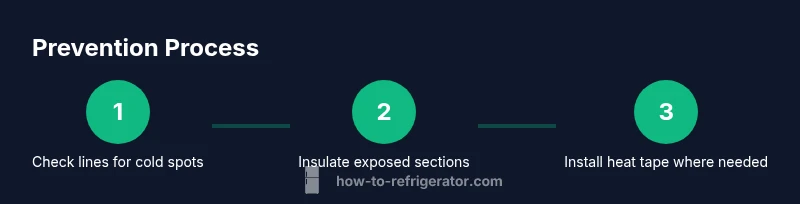
By following these steps, you can prevent fridge water lines from freezing and protect your ice-maker and valves. Start with a stable indoor temperature, proper insulation, and a well-sealed cabinet. For exposed routes, add insulation or heat tape where needed, and verify the supply valve is fully open. Regular seasonal checks keep your fridge running smoothly.
Why this matters for homeowners
Frozen water lines can cause leaks, water damage, and ice-maker malfunctions. In many homes, the water line that feeds the refrigerator travels along cold basements, crawl spaces, or behind kitchen cabinets where drafts chill the tubing. A freeze can crack pipes, burst fittings, or damage valves that require expensive repairs. The How To Refrigerator team emphasizes proactive prevention because small changes today pay off with quieter operation and fewer emergencies tomorrow. This guide explains practical strategies to keep the line warm and functional, so your ice maker continues to supply ice and your fridge maintains consistent water pressure. By understanding the path of the water line and how it interacts with ambient temperatures, you’ll be able to apply targeted fixes rather than guesswork. In addition, preventing freezing helps protect your kitchen from water damage and reduces energy waste by keeping the refrigeration system balanced. According to How To Refrigerator, prevention is more effective than repair, so focus on insulation and temperature stability. Follow these steps to create a simple, durable plan that works season after season, even in basements and unheated spaces.
Common causes of freezing
Several factors contribute to a refrigerator water line freezing. Drafts from gaps around cabinet panels or warm spaces adjacent to unheated rooms can drop pipe temperatures below freezing. Long, poorly insulated runs through crawl spaces, basements, or behind appliances are especially vulnerable when the ambient temperature is cold for extended periods. Uneven cooling in the fridge or a short defrost cycle can also cause moisture to condense and freeze on the line. Additionally, a closed or restricted water supply valve, or a partially blocked line, can trap cold water and create localized freezing. Understanding these causes helps you target the right preventive actions rather than guessing at remedies that don’t address the root problem.
Assessing your setup
Begin by locating the refrigerator’s water line and tracing its route. Identify exposed sections under cabinets, behind walls, or near cold air vents. Check for gaps where drafts sneak in, and note any sections that pass through unheated spaces. Inspect the shut-off valve for leaks or stiffness, as a failing valve can interrupt flow and promote freezing downstream. Take measurements of ambient temperatures around the line using a simple thermometer placed near the pipe; if you consistently see subfreezing readings, plan insulation updates. Finally, assess whether your fridge front and cabinet seals are in good condition; air leaks around the door can exacerbate temperature fluctuations that influence the water line.
Temperature management inside the fridge
Maintaining a stable interior temperature reduces the risk of freezing in nearby pipes. Set the refrigerator to about 37–40°F (3–4°C) for typical fresh-food safety and energy efficiency. If you notice your freezer section cycling frequently or your fridge running in long cool-down phases, investigate door seals and defrost performance. Avoid rapid temperature swings triggered by frequent door opening or placing hot items inside. A well-tuned thermostat helps keep the surrounding cabinet space warm enough to protect the water line while still preserving food quality. When you adjust temperatures, monitor how the change affects water line behavior over the next several days.
Insulating water lines and pipes
Tube insulation is a simple, effective defense against freezing. Measure the longest exposed run and cut foam insulation sleeves to length, then slide them over the tubing. Use pipe insulation rated for cold-water lines and secure with tape or zip ties so it cannot slide off. For runs that bend or loop through tight spaces, cut slits in the insulation to maintain a snug fit. If you see exposed copper or plastic piping, cover it completely and avoid compressing the insulation, which can reduce its effectiveness. Consider adding a thin layer outside the foam with a reflective barrier to minimize heat loss from radiant sources. This step alone often stops freezing in many installations.
Protecting exposed lines and routes under the cabinet
Where the water line travels through cabinets or along the back wall, cold drafts can chill the piping. Seal gaps with silicone caulk or weatherstripping, and ensure the pipe is not pressed against cold metal or drywall seams. If the line passes through a cold attic or crawl space, add extra insulation at the surrounding wall cavity. Keep cabinet doors closed, and avoid storage that blocks air circulation around the line. For longer runs, consider running the line through a warmer interior wall cavity rather than an exterior wall to reduce temperature fluctuations.
When to install heat tape and pipe insulation
Heat tape provides a controlled heat source for long, exposed runs. Choose tape rated for plumbing use and use a thermostat-controlled model so it only activates when temperatures drop. Install heat tape in accordance with the manufacturer’s instructions, keeping power cords away from water and ensuring cords do not contact sharp edges or bends that could wear insulation. Do not wrap heat tape around fittings that could overheat or pose a fire risk. In most homes, applying heat tape to exterior piping in unheated basements or crawl spaces is sufficient to prevent freezing during cold spells.
Seasonal maintenance checklist
Before winter, inspect all water lines for cracks, leaks, or loose fittings. Reinsulate exposed sections and verify that the shut-off valve operates smoothly. Test the fridge’s temperature settings and observe the water line’s behavior after a door cycle. Clean cabinet gaskets and denoise airflow around the back of the unit to improve heat exchange. Schedule a professional inspection if you detect persistent moisture, unusual noises, or frost near the valve. Keep a simple maintenance log for repeated issues so you can spot patterns over time. According to How To Refrigerator analysis, a simple seasonal check reduces freezing risk and helps you catch minor issues early.
Troubleshooting freezing symptoms
If you notice frost on the water line or a drop in water pressure, start with a quick inspection of insulation and seals. Check for visible drafts around cabinet edges and re-check the shut-off valve. A blocked drain or defrost issue can cause moisture to accumulate, so verify that the defrost cycle is functioning correctly and that the drain line is clear. If symptoms persist after insulation and seal improvements, consider relocating portions of the line to a warmer interior space or adding heat tape to sections exposed to drafts. Document symptoms with dates to identify recurring patterns.
Safety and when to call a pro
Working with water lines and electricity presents safety risks. Always unplug the refrigerator before handling water connections, and never splice electrical cords. If you are unsure about any step, or if you detect ongoing leaks, gas odor, or persistent freezing despite upgrades, contact a licensed technician. A pro can safely inspect alignment, valve integrity, and the electrical heat source, and can recommend code-compliant insulation and routing. Regular safety checks protect your family and house from more expensive problems in the future. The How To Refrigerator team recommends staying proactive and scheduling an annual inspection if you notice recurrent issues or drafts around the wall cavity.
Tools & Materials
- Foam pipe insulation sleeves(Sized to 1/2 to 3/4 inch tubing; cut to length)
- Heat tape for pipes(Thermostat-controlled, water-safe type; follow manufacturer guidelines)
- Pipe sealant or silicone sealant(Seal gaps around pipes to block drafts)
- Weatherstripping or cabinet insulation(Optional to reduce drafts around fridge cabinet edges)
- Thermal room thermometer(Place near the line to monitor ambient temp)
- Utility knife or scissors(Cut insulation to fit precisely)
- Zip ties or duct tape(Secure insulation and heat tape safely)
Steps
Estimated time: 60-120 minutes
- 1
Power down and locate the line
Unplug the refrigerator and locate the water supply line. Trace its route and identify exposed sections, bends, and any areas that pass through unheated spaces. This initial survey helps you plan insulation and safe access for the next steps.
Tip: Only unplug the unit when you can safely access the back or cabinet area; avoid standing water. - 2
Check the shut-off valve
Inspect the shut-off valve for stiffness or leaks. A partially closed valve can cause stagnation and freezing downstream. If the valve is difficult to operate, do not force it; note it for professional inspection.
Tip: Turn off and on gently to test operation without forcing hardware. - 3
Inspect lines for damage or leaks
Look for cracks, kinks, or signs of moisture around joints. Damaged sections should be repaired or replaced before adding insulation, as insulation won’t fix existing leaks.
Tip: If you spot leaks, address them before proceeding with insulation work. - 4
Measure ambient temperatures near the line
Place a thermometer near the pipe and monitor for subfreezing readings across several hours. If you consistently observe temperatures near or below freezing, you’ll want to prioritize insulation and heat sources.
Tip: Record readings to track seasonal changes. - 5
Set fridge temperature to ideal range
Adjust interior temperature to about 37–40°F (3–4°C). This range helps keep food safe while reducing the risk to nearby water lines. Avoid rapid fluctuations by minimizing door openings during cold snaps.
Tip: Use a fridge thermometer to verify accuracy. - 6
Insulate exposed water lines
Slide foam insulation sleeves over exposed runs and secure with zip ties. Ensure a snug fit and avoid compressing the insulation, which reduces effectiveness.
Tip: Cut insulation to fit bends and corners for full coverage. - 7
Install heat tape for long runs
Apply thermostat-controlled heat tape to long or unheated sections. Follow the manufacturer’s installation guidelines and keep cords away from water and sharp edges.
Tip: Do not wrap heat tape around fittings that could overheat. - 8
Seal gaps around the cabinet
Apply silicone caulk or weatherstripping to seal gaps where drafts can reach the line. This reduces heat loss and stabilizes the line’s environment.
Tip: Inspect rear cabinet panels for new drafts after insulation. - 9
Schedule a practical winter maintenance plan
Create a simple winter maintenance routine that includes checks of insulation, valve function, and cabinet seals every fall. Record issues and address recurring patterns.
Tip: Keep a dedicated notebook or digital log. - 10
Test operation and monitor
After completing steps, plug the fridge back in, run a cycle, and observe the line’s behavior for 24–72 hours. If freezing recurs, escalate with a professional assessment.
Tip: Document any frost or water issues with dates.
FAQ
Why does the refrigerator water line freeze?
Freezing typically results from drafts around cabinets, uninsulated runs, and cold ambient spaces. Long runs through unheated areas are particularly susceptible. Addressing drafts and insulation reduces this risk.
Freeze happens when drafts and uninsulated lines get too cold; sealing and insulation help a lot.
How can I tell if my water line is freezing?
Look for frost on pipes, reduced water pressure, or unusual sounds from the line. Sudden pauses in water flow can also indicate a freeze.
Frost on the line or reduced water flow are common signs to watch for.
Can heat tape be used on refrigerator water lines?
Yes, heat tape can protect long or exposed runs when installed with a thermostat control and according to the manufacturer’s instructions. Avoid wrapping around fittings.
Heat tape can help, just follow the safety guidelines.
How often should I inspect insulation around the water line?
Inspect insulation at least once per season, especially before winter. Look for wear, gaps, or compression that reduces effectiveness.
Do a seasonal check so you catch wear or gaps early.
Will adjusting fridge temperature affect food safety?
Keeping the interior around 37–40°F maintains food safety while reducing pressure on nearby lines. Avoid large swings that could impact both food and lines.
A stable temp helps both safety and line protection.
When should I call a professional?
If you detect ongoing leaks, persistent frosting, or if you’re uncomfortable with electrical components, contact a licensed technician for a safe, code-compliant assessment.
When in doubt, call a pro to avoid safety risks.
Watch Video
Top Takeaways
- Insulate exposed water lines to prevent freezing
- Maintain fridge temp around 37–40°F for safety and efficiency
- Seal cabinet gaps to reduce drafts near pipes
- Use heat tape for long exposed runs where needed
- Perform seasonal maintenance to catch issues early