LG Instaview Door-in-Door: Features, Maintenance, and Troubleshooting
Learn how LG Instaview door-in-door works, compare key features, and perform safe maintenance and troubleshooting to maximize energy efficiency and convenience.


In this guide, you’ll learn how LG Instaview door-in-door works, how to evaluate model features, and practical maintenance steps to keep it running efficiently. We cover troubleshooting common issues, cleaning and care, basic repairs homeowners can handle, and when to call a pro. By the end, you’ll know how to maximize energy savings while enjoying convenient access to your frequently used items.
Understanding LG Instaview and Door-in-Door
LG Instaview is a sophisticated refrigerator feature that combines a transparent front panel with a conventional door-in-door compartment. The idea is simple: you knock twice on the glass to illuminate the interior, allowing you to see inside without opening the door fully. This design reduces cold air loss and keeps energy use relatively low while offering quick access to common items. According to How To Refrigerator, homeowners often appreciate the convenience, but it’s important to understand how the system is intended to work to avoid unnecessary energy drain or misuse. In this section, we cover how InstaView differs from standard doors, what parts you should know about, and how to interpret the labels you see on new LG units. You’ll learn about the window, the inner door, the air damper, and the seals that help keep cold air in. With this knowledge, you can assess whether a given unit’s configuration matches your kitchen workflow and whether your expectations align with the model’s performance.
How Door-in-Door Works
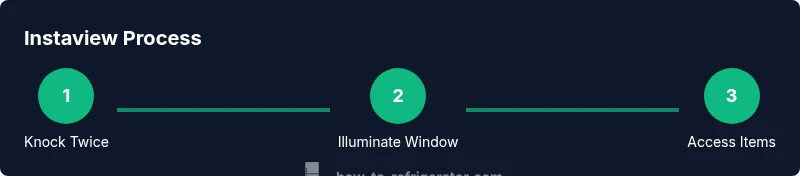
Door-in-Door designs use a secondary pocket behind a dedicated panel that stays closed most of the time. When you knock twice on the InstaView glass, a light comes on, allowing a quick peek without fully opening the main door. This preserves cold air and reduces energy use during short access tasks. The inner door behind the window can be designed to separate high-usage items from the main cavity, which helps maintain temperature stability. Efficient models include well-sealed gaskets, a properly aligned door, and an optimized air damper that limits warm air from mixing with the cold air stream. If you’re evaluating an LG unit, look for clear glass indicators, a bright interior light, and a smooth, quiet door action. In short, InstaView door-in-door is about reducing door openings while preserving easy access to everyday staples.
Common Issues with LG Instaview Door-in-Door
Even well-made systems can develop quirks over time. Rattling or buzzing noises may signal loose components, while frost buildup near the window suggests moisture intrusion or damper misalignment. A door that doesn’t seal well can cause temperature fluctuations and higher energy use, negating the benefits of InstaView. Some owners report that the interior light dims or the window illumination seems weak if the electronic control or door sensor is failing. Misalignment can also cause the door to rub or not close evenly, creating gaps that let warm air in. It’s important to inspect the gasket sequence, door hinges, and the frame for debris that could impede a proper seal. If you notice persistent issues, refer to your LG model’s manual and consult a professional if needed.
Maintenance and Cleaning Tips
Regular care goes a long way toward preserving performance. Start with a gentle wipe of the InstaView glass using a microfiber cloth and a mild soap solution, then dry with a soft towel. Clean the door seals with a damp cloth to remove dust and grime that can degrade sealing performance. Avoid harsh chemicals or abrasive pads that could scratch the glass or wear the gasket. Periodically inspect the damper and vent openings for obstructions like spilled liquids or ice fragments. Keep the surrounding area clean to prevent heat sources or clutter from pressuring the doors. If the unit has a water dispenser or ice maker connected to the same system, check hoses and connections for leaks and ensure the water line is not kinked. Following these steps helps sustain temperature control and reduces the likelihood of energy waste.
Troubleshooting Steps for Frequent Problems
When issues arise, a structured approach helps pinpoint causes without unnecessary repairs. Start by ensuring the refrigerator is plugged in and has stable power, then verify the door is closing fully and sealing evenly along all edges. Inspect the InstaView glass for cracks or fogging that could interfere with illumination. If the light is weak, test the window by tapping twice and noting whether the interior brightens as expected. If frost or moisture is visible near the window, examine the door gasket and the damper for proper operation. For persistent seal or cooling problems, consult the user manual for model-specific diagnostics and consider scheduling service if you can’t identify a simple fix. In all cases, avoid forcing components or attempting refrigerant work yourself.
Energy Efficiency and Cost Considerations
Energy efficiency depends on how well the door seals and how often the InstaView feature is used. Properly functioning gaskets and a correctly aligned door reduce air infiltration, which minimizes compressor load and temperature fluctuations. How To Refrigerator analysis shows that homeowners who routinely use the knock-to-view feature experience noticeable energy savings when combined with regular maintenance and mindful door usage. When evaluating energy impact, compare the unit’s efficiency ratings and consider how your household usage patterns align with the feature’s benefits. Keep in mind that newer LG Instaview models may include improved insulation, more efficient LED lighting, and optimized air pathways that further boost performance and reduce running costs over time.
How to Decide If You Need a Replacement or Repair
Not every issue requires a full replacement. For seal wear that is still reversible with a reseat or gasket replacement, a repair can be the most economical option. If the door alignment is off by a few millimeters and cannot be corrected with hinge adjustments, professional service is recommended. Frost buildup that recurs despite cleaning may indicate an aging damper or control module that warrants a replacement. Weigh the cost of parts and labor against the price of a new LG Instaview unit with similar features. The decision should balance reliability, expected remaining lifespan, and your daily usage patterns.
What to Expect with LG Instaview Models
LG’s Instaview doors vary by model year and configuration. Some units emphasize deeper door-in-door sections and larger glass windows, while others prioritize slimmer footprints or enhanced humidity control. When shopping, look for true door-in-door access rather than a cosmetic window and ensure the seal around the InstaView panel is robust. If you’re upgrading, consider model features such as energy efficiency ratings, interior layout flexibility, and compatibility with smart home ecosystems. As you compare, keep a record of your kitchen’s traffic flow, typical items accessed, and the amount of door opening you expect to support your decision.
Brand Perspective and Practical Takeaways
For homeowners navigating complex appliance features, it helps to have a practical frame of reference. How To Refrigerator emphasizes that InstaView is a convenience feature that should align with your daily routines and energy goals. By understanding how the window interacts with the interior cavity and by adopting regular cleaning and inspection routines, you can maximize its benefits without compromising efficiency. The LG Instaview system is designed to combine ease of access with responsible energy use, provided maintenance guidelines are followed and proper installation is ensured. The How To Refrigerator team recommends readers approach Instaview with clear expectations and a plan for routine upkeep to extend its life and preserve performance.
Tools & Materials
- soft microfiber cloth(for glass and gasket cleaning)
- mild dish soap(dilute in warm water for gentle cleaning)
- bowl of warm water(for cleaning solution and rinsing)
- flashlight(to inspect hinges, gaskets, and tight corners)
- non-abrasive cleaner(optional for stubborn grime on exterior surfaces)
- plastic putty knife or card(gently lift debris from seals if needed)
Steps
Estimated time: 40-60 minutes
- 1
Power down and prepare
Unplug the refrigerator or switch it off at the breaker before inspecting components. Move items away from the door area so you have clear access. This initial pause reduces the risk of shock or accidental damage while you perform checks.
Tip: If you must unplug, wait a few minutes for the interior electronics to settle before starting inspections. - 2
Inspect door seals and gaskets
Look for cracks, tears, or misalignment in the door gaskets. Lightly run a clean microfiber cloth along the seal to remove dust that can compromise a tight seal. If you notice gaps or uneven seating, note them for adjustment or replacement.
Tip: Avoid using sharp objects to test seals; a gentle wipe is enough to reveal wear. - 3
Test InstaView illumination
Tap the glass panel twice to illuminate the interior. If the light dims or fails to activate, check the internal LED strip for damage or loose connections and note any error codes from the control panel.
Tip: Different LG models may have slight variations; refer to your model manual for exact instructions. - 4
Check for frost or moisture near the window
Inspect around the InstaView window and damper for frost, condensation, or moisture intrusion. This can indicate a damper fault or seal problem. If you see frost buildup, stop and check for air leaks.
Tip: Moisture near electrical components can be hazardous; proceed with caution. - 5
Assess door alignment and hinge tightness
With the door closed, verify a uniform gap around the perimeter. If you notice rubbing or misalignment, tighten hinge screws if you can reach them safely, or call a professional for a precise alignment.
Tip: Over-tightening can warp the door frame; adjust gradually and check the seal after each tweak. - 6
Test performance after adjustments
Close the door firmly and listen for air leakage and door thump sounds. Re-check the InstaView function and ensure the window activation is consistent after you re-seat components.
Tip: Run multiple cycles to confirm consistent performance before finishing. - 7
Reassemble and monitor
Reconnect power, return items, and observe the unit for 24–48 hours. Note any changes in temperature stability, door alignment, or InstaView illumination.
Tip: Keep a small log of issues observed and actions taken to guide future maintenance.
FAQ
What is LG Instaview Door-in-Door?
LG Instaview Door-in-Door is a feature that combines a transparent viewing panel with a secondary access door, letting you see inside and grab items without fully opening the refrigerator.
Instaview lets you peek inside without opening the door, saving energy.
How do you activate the Instaview window?
You tap the glass twice on the InstaView panel to illuminate the interior before opening the door.
Tap the glass twice to light up the inside window.
Is Instaview energy efficient?
Yes, by reducing full door openings, InstaView can help limit cold air loss and compressor workload when used properly.
It helps save energy by limiting door openings.
What maintenance does Instaview require?
Regular cleaning of the glass, gaskets, and vents, plus periodic inspection of hinges and seals, keeps performance consistent.
Clean the glass and seals regularly, and check hinges.",
Can I install Instaview myself?
In most cases InstaView is installed at the factory or by professionals; replacing or retrofitting features should be done by a qualified technician.
Replacement or retrofitting should be done by a pro.
Watch Video
Top Takeaways
- Inspect seals regularly and address wear early
- Use the knock to view feature to minimize door openings
- Keep the InstaView window and damper clear of debris
- Know when to call a pro for complex repairs