LG Door-In-Door Fridge: Troubleshooting Guide
A practical homeowner guide to diagnosing and fixing common problems in LG door-in-door fridges, including seal wear, door alignment, defrost drains, and temperature stability.


In this guide, you’ll learn how to diagnose and fix common issues with an lg door in door fridge, including door alignment, gasket wear, defrost drainage, and temperature inconsistencies. Gather basic tools, consult the owner’s manual, and follow the step-by-step process to restore performance.
What is the lg door in door fridge and why it matters
The phrase lg door in door fridge describes a refrigerator that includes a secondary, easily accessible panel or mini-door within the main door. This design aims to reduce you from opening the entire fridge for everyday items, potentially saving energy and keeping cold air inside. For homeowners, understanding how this configuration influences sealing, airflow, and the defrost system is essential. A malfunction in the door-in-door zone can lead to uneven cooling, frost buildup, and increased energy use. When you troubleshoot, start with the basics: check that the primary door seals are intact and that the inner panel closes fully without gaps. Throughout this guide, we refer to the broader concept as the lg door in door fridge, recognizing its popularity in modern kitchens while acknowledging model-specific differences.
According to How To Refrigerator, the door-in-door design should balance accessibility with airtight seals to minimize energy loss. If you notice excessive frost or warm spots near the door, the issue likely involves sealing or airflow rather than a fundamental failure of the compressor. Keeping components clean and aligned helps preserve efficiency and prolongs the life of the appliance. For homeowners, a systematic approach to inspection can prevent unnecessary service calls and extend the life of the unit.
Common issues with lg door in door fridge
Common problems with lg door in door fridge often involve the door area rather than the main cabinet. You might notice air drafts when you touch the door, frost forming along the inner panel, or warm air leaking around the door gasket. Other frequent symptoms include fluctuating temperatures inside the crisper or fresh-food compartments, excess condensation, or the interior lights staying on long after the door is closed. In many cases, the root cause is a worn gasket, misaligned hinges, or a blocked defrost drain. When diagnosing, compare both doors and test both seals for gaps by sliding a dollar bill or a piece of paper along the perimeter. If you can pull it out with little resistance, the seal may need replacement. Remember that lg door in door fridge designs vary by model, so consult the manual for your specific hardware layout.
How to inspect the door alignment and seals
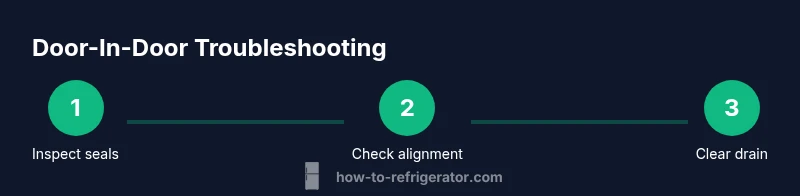
Door alignment is critical to preventing cold-air leakage. Start by unplugging the unit for safety and then inspect the hinge screws to ensure they are snug but not overtightened. Misalignment can cause the door to rub on the frame, leading to gasket wear. Use a level to confirm the doors hang evenly, and adjust strike or hinge screws as needed according to the manufacturer’s instructions. For the door-in-door panel, verify that it latches cleanly and sits flush without creating a gap along the seal. Clean the gasket with a mild detergent and a soft cloth, and check for cracks or tears. If the gasket is damaged, replace it promptly. A poor seal can be a major source of energy waste and inconsistent cooling in lg door in door fridge configurations.
Checking the defrost drainage and airflow
A clogged defrost drain is a common culprit behind frost buildup and poor cooling in door-in-door configurations. Locate the drain tube, typically near the back of the freezer section, and clear any debris using a flexible pipe cleaner or a small bottle brush. Flush the drain with warm water to dissolve any ice buildup, but avoid harsh cleaners that could corrode the tube. After clearing the drain, run a short defrost cycle (manual or automatic, per your model) to ensure water drains correctly into the pan. Proper airflow across all shelves is essential; avoid overloading the fridge, especially near the door-in-door panel, which can disrupt air distribution and lead to temperature inconsistencies. Regularly inspecting the evaporator fins and condenser coils helps maintain peak efficiency in lg door in door fridge designs.
Temperature control and performance tweaks
Temperature stability is key to food safety and energy efficiency. Most lg door in door fridges have adjustable settings for the fresh-food and freezer compartments. Start by verifying the thermostat is set within the recommended range per your model. If the doors frequently swing open or if there is ice buildup, temperature fluctuations may indicate a sealing problem or airflow obstruction. After making adjustments, monitor temperatures for 24–48 hours using a simple thermometer placed in the center of each compartment. If temperature readings remain outside the ideal range, consider a more thorough inspection of the door seals, condensation management, and the door-in-door panel alignment. A well-coordinated system minimizes energy use and protects stored groceries.
When to replace parts vs call a pro
Not all problems require a professional repair. If you notice persistent leaks, persistent frost in the wrong location, or a compressor that runs excessively, there could be an underlying issue with refrigerant or major components that should be addressed by a licensed technician. Worn gaskets, damaged door-in-door panels, and broken hinge brackets are common parts that homeowners can replace after acquiring model-specific parts and following safety steps. Always unplug the unit before any repair. If the problem is electrical or refrigerant-related, a professional service call is the safest option to avoid personal injury or further damage to the lg door in door fridge.
Maintenance checklist to prevent problems
A proactive maintenance routine helps keep your lg door in door fridge performing well. Regularly inspect door gaskets for cracks and replace them as needed. Keep the door alignment correct by checking hinges and catches every few months. Clean seals with a mild solution to prevent buildup that may impair sealing. Clear the defrost drain every few months to prevent clogs, especially in humid climates. Vacuum the condenser coils to remove dust and debris that reduce efficiency. Finally, verify the door-in-door panel closes securely and seals evenly to minimize energy loss. By incorporating these steps into a monthly or quarterly schedule, you’ll reduce the likelihood of temperature drift and frost buildup.
Energy efficiency considerations with door-in-door design
Door-in-door configurations can contribute to energy savings by reducing the frequency of full-door openings. However, if the inner panel leaks air or the seals wear quickly, energy consumption can actually rise. The lg door in door fridge design relies on a tight seal and efficient airflow to minimize compressor work. When doors are properly aligned and sealed, you’ll notice more consistent temperatures and longer food freshness. For homeowners, focusing on gasket condition, door alignment, and airflow pathways provides a practical path to maximize energy efficiency without replacing a functioning unit prematurely.
What to expect from LG models and warranty considerations
LG offers a range of door-in-door models with varying features and warranty terms. Manufacturer guidance typically covers parts like gaskets and hinges, along with service options. When evaluating an lg door in door fridge, consider model-specific dimensions for the door-in-door area and whether energy-saving modes impact compressor cycles. If you notice odd noises, warm spots, or frost patterns that don’t align with your model’s guidelines, check warranty terms to determine coverage for components such as the door gaskets, hinges, and defrost system.
Quick maintenance routine you can perform monthly
A concise monthly routine can prevent problems with your lg door in door fridge. Briefly inspect gaskets for tears, wipe the door seals, and ensure the door closes fully. Check the defrost drain for any slow drainage, and clean condenser coils if accessible. Verify that the door-in-door panel remains aligned and latched, and listen for unusual noises that could indicate loose components. Keeping a small checklist helps homeowners catch issues early and reduce the risk of bigger repairs later.
Tools & Materials
- Screwdriver set (Phillips and flathead)(Phillips #2 commonly fits door hinges)
- Torx driver set(Some models use torx screws for hinges)
- Multimeter (optional)(If testing electrical components)
- Soft cloths and mild detergent(Gasket cleaning without damage)
- Replacement door gasket (model-specific)(Only if wear or cracks are visible)
- Defrost-drain cleaner (pipe cleaner or flexible brush)(For clearing clogs)
- Bucket and towels(Catch water during drainage checks)
- Gloves for protection(Hand protection while working)
Steps
Estimated time: 60-90 minutes
- 1
Unplug and prep the fridge
For safety, unplug the appliance and remove items from the doors. Take photos of the door alignment and gasket condition before disassembly so you have a reference if you need to revert. This step reduces the risk of electric shock while inspecting internal components or replacing seals.
Tip: Keep a towel handy to catch any condensation when opening the doors. - 2
Check door alignment and hinge screws
Inspect the hinges for looseness and realign the door so it sits evenly with the cabinet. Tighten screws gradually and alternately to avoid bending the hinge plate. Ensure the door-in-door panel latches and sits flush along the gasket without creating gaps.
Tip: Use a level to confirm front-to-back alignment; even slight misalignment matters for seals. - 3
Inspect and clean door gaskets
Carefully run your finger along the gasket to feel for cracks or stiff sections. Clean with a mild detergent and warm water, then dry completely. If you find cracks or significant wear, replace the gasket to restore a proper seal.
Tip: Avoid using sharp objects on gaskets to prevent cuts. - 4
Clear defrost drain and check drainage path
Locate the defrost drain and clear any debris using a flexible brush or pipe cleaner. Flush with warm water and observe the drainage during a short defrost cycle to ensure water flows freely to the drain pan. A clogged drain can cause frost buildup and temperature issues.
Tip: If you see standing water under the fridge, the drain is not draining properly. - 5
Test temperature controls and airflow
Set the refrigerator and freezer temperatures to the manufacturer’s recommended ranges. Place a thermometer in each compartment and monitor for 24–48 hours. If temperatures drift, inspect door seals, airflow paths, and the door-in-door panel alignment for leaks.
Tip: Avoid overloading shelves near the door-in-door panel that can block airflow. - 6
Evaluate the door-in-door panel fit
Ensure the inner panel closes completely and does not press against the main door seal. Misfit panels can create micro-gaps that undermine sealing and cause uneven cooling.
Tip: If the inner panel sits too far forward, adjust mounting brackets per the model manual. - 7
Decide between parts replacement or pro service
If gaskets wear, hinges are bent, or you suspect refrigerant or electronics issues, weigh replacement parts against a professional service call. For safety, refrigerant work must be performed by a licensed technician.
Tip: Document symptoms and times when issues occur to help a technician diagnose faster.
FAQ
What is a door-in-door fridge and how does it work?
A door-in-door fridge has a secondary panel that provides quick access to commonly used items. This design can save energy when seals are intact and airflow remains balanced. Improper alignment or worn gaskets can negate any efficiency gains.
A door-in-door fridge includes a small panel for quick access. If seals wear or alignment is off, energy savings decline and cooling becomes uneven.
Why does my lg door-in-door fridge not cool evenly?
Uneven cooling often results from a leaky seal, misaligned doors, or airflow obstructions near the door-in-door panel. Start by inspecting gaskets and hinges, then verify the panel sits flush against the main door.
Uneven cooling usually means a seal or alignment problem. Check the gaskets and hinges, then ensure the inner panel sits flush.
Can I fix a damaged gasket myself?
If the gasket shows cracks or tears, replacing it is typically straightforward and cost-effective. Disconnect power, remove the old gasket, and install the replacement following model-specific instructions.
Yes, replacing a torn gasket is usually a DIY job if you have the correct part and follow the model instructions.
Is it safe to troubleshoot a fridge on my own?
Basic inspections like cleaning seals or cleaning the defrost drain are safe. Avoid handling refrigerant or electrical components beyond simple checks; call a pro for major repairs.
You can do basic checks, but leave refrigerant and major electrical work to technicians.
How often should a defrost drain be cleaned?
Check and clear the defrost drain whenever you notice frost buildup or slow drainage. A quarterly check is reasonable for most households.
Clean the defrost drain when you see frost buildup or slow drainage; about every few months works for many homes.
When should I contact LG support or a technician?
If temperature readings remain outside the recommended range after adjustments, or if you suspect refrigerant or electrical faults, contact LG support or a licensed technician.
If temperatures stay off after adjustments or you suspect refrigerant issues, call a professional.
Watch Video
Top Takeaways
- Inspect seals and alignment before assuming a failure
- Clear defrost drains to maintain proper cooling
- Monitor temperatures for 24–48 hours after changes
- Replace worn gaskets promptly to save energy
- Know when to call a professional for refrigerant/electrical issues