French Door LG Refrigerator Repair & Maintenance Guide
Comprehensive, step-by-step guide to diagnose and fix common issues with a French Door LG refrigerator. Learn safe prep, seal and defrost inspections, coil cleaning, sensor checks, and when to call a professional.


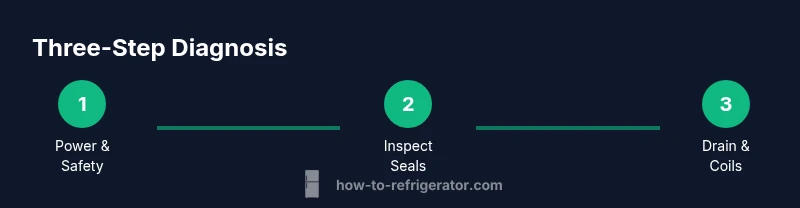
To troubleshoot a French Door LG refrigerator, start with safety and a quick assessment: unplug the unit, remove perishables, and identify the symptom. Check door seals and alignment, inspect the defrost drain for frost buildup, then clean condenser coils and inspect the temperature sensors. If the issue persists, reference this step-by-step guide and consult a pro for refrigerant service.
Understanding the French Door LG Refrigerator Design and Common Issues
According to How To Refrigerator, most French door LG refrigerators use a combination of sealed refrigerant circuits, a defrost system, and a dual-door configuration to optimize cooling and energy efficiency. This design provides a wide, accessible interior but also presents unique failure modes, including not cooling, frost buildup, and water leakage. By understanding how the key components interact—doors and gaskets, the evaporator and condenser, defrost drain, and temperature sensors—you can diagnose problems without unnecessary disassembly. Regular maintenance, such as coil cleaning and gasket inspection, reduces the likelihood of mid-winter breakdowns and preserves energy efficiency over time.
Quick map of common failure modes
- Not cooling or warm compartments
- Excess frost buildup in the freezer or evaporator
- Water pooling inside or on the floor
- Ice maker or water dispenser failing
- Odd noises or longer cycles
These issues often trace back to door seals, defrost system, coils, or sensors, rather than the compressor itself. Keeping a clean coil and tight seals helps maintain proper airflow and temperature stability.
Quick Diagnosis: Not Cooling, Frost, and Water Leaks
Not cooling or inconsistent temperatures are among the most frustrating problems for homeowners. The first clues usually appear through the interior temperature readings and visible frost, or through water pooling on the floor. A not-cold symptom can stem from a simple seal leak or a blocked defrost drain, but it can also indicate a failing sensor or a faulty control board. A good first pass is to verify the power supply and check for obvious signs of frost buildup around the evaporator. The defrost cycle should melt frost from the evaporator coil; if frost is persistent, the defrost heater or timer may be defective. Finally, water leaks often trace to a blocked defrost drain or a loose drain pan.
What to check first
- Power at outlet and circuit status
- Door seals for cracks or gaps
- Frost level around evaporator coil
- Defrost drain for clogs or ice blockage
Safety First: Prep Steps Before You Start
Safety is non-negotiable when repairing any appliance. Unplug the refrigerator before touching any wiring or internal components. Clear the area around the fridge; place towels to catch spills, and have a bucket ready for condensate. If your unit has an ice-maker, disconnecting the water line can prevent accidental leaks. Wear safety glasses and gloves, and use insulated tools where possible to avoid shocks. Always work in a well-lit area with the doors closed when not actively inspecting; this helps prevent accidental contact with sharp edges.
Step-by-Step Diagnosis: Access Panels, Seals, and Frost
- Unplug and prep the area. 2) Identify the symptom and verify with a quick test. 3) Inspect door seals and hinge alignment for gaps or damage. 4) Remove service panels using appropriate screwdrivers to access the evaporator and defrost components. 5) Inspect the defrost drain for frost buildup and clear clogs with warm water. 6) Check condenser coils for dust and clean if needed. 7) Test temperature sensors and, if accessible, the control board for fault codes. 8) Reassemble, plug in, and monitor temperatures for 24–48 hours. 9) Decide on repair path and document parts replaced.
- Tip: Label connectors and screws as you remove panels to simplify reassembly.
Defrost System, Drains, and Frost Buildup: Diagnosing the Core Issue
The defrost system keeps the evaporator from freezing over. When frosting is excessive or the defrost cycle fails, frost can blanket the coil and impair cooling. Start by verifying the defrost heater and timer operation with a multimeter after removing access panels. If the heater fails to heat, or the timer does not advance, the cycle is interrupted. A blocked defrost drain leads to water pooling and potential ice jams. Clear the drain with warm water and a flexible pipe cleaner, and re-test. If frost continues to form, the timer or heater may need replacement, which typically requires professional service.
Condenser Coils, Airflow, and Filter Management
Condenser coils dissipate heat from the refrigerant and rely on clean airflow to do their job. Dirty coils reduce efficiency and can cause higher pressures, leading to abnormal compressor cycling. Unplug the unit and locate the coils (usually behind a rear panel or under a grille). Vacuum dust using a brush attachment, then wipe with a damp cloth. Ensure the fan at the condenser is turning freely and not obstructed by debris. Poor airflow can translate to warm interior conditions even when the thermostat is set correctly.
Temperature Sensors, Control Board, and Not-Cooling Symptoms
Temperature sensors monitor interior conditions and feed data to the control board. A faulty sensor can misread temperature, causing the compressor to run too long or too short, leading to not-cooling conditions. If you have a multimeter, test the resistance of the sensor according to the LG service manual’s specifications. Control board faults are more challenging to diagnose without specialized software; look for symptom patterns like frozen displays, random temperature swings, or inability to adjust setpoints. In such cases, professional diagnostics may be the most reliable option.
Reassembly, Test, and Safety Considerations
After performing inspections and any replacements, carefully reassemble panels and reconnect sensors and wires. Plug the unit back in and allow 24–48 hours for stabilization before drawing conclusions about the repair’s success. Maintain a log of the parts replaced and the observed improvements. If temperatures stabilize and the interior remains consistent, you may have resolved the issue; otherwise, consider professional assistance, especially for sealed refrigerant components.
Preventive Maintenance: Keeping Your French Door LG Refrigerator Running Smoothly
Prevention is cheaper than repair. Regular maintenance includes cleaning coils, checking door gaskets for cracks, ensuring doors seal properly, and keeping the area around the unit free of dust. Schedule semi-annual inspections and address minor issues early. Maintain a clean condenser area and replace filters according to the manufacturer’s recommendations. Keeping optimal humidity inside the fridge reduces frost risk, and ensuring proper airflow helps maintain even temperatures across compartments.
Authority Sources
- U.S. Department of Energy – Appliances and energy efficiency guidance (https://www.energy.gov/energysaver/appliances)
- Federal Trade Commission – Appliance disposal and safety resources (https://www.consumer.ftc.gov/articles/how-dispose-appliances)
- National Institute of Standards and Technology – Home appliances safety and standards (https://www.nist.gov/topics/home-appliances)
Tools & Materials
- Multimeter(Test sensors and defrost heater continuity)
- Screwdriver set (Phillips and flathead)(Remove access panels and hinges without stripping screws)
- Nut driver set(Access lower panels and mounting hardware)
- Vacuum with brush attachment(Clean condenser coils and remove dust)
- Shop towels or rags(Clean and wipe surfaces; catch spills)
- Bucket(Contain condensate or spills during defrost drain work)
- Replacement door gasket (LG-compatible)(Replace if cracks or deformation are found)
- Defrost drainage aid (pipe cleaner or flexible brush)(Assist clearing clogs without damaging drain tube)
- LED flashlight(Better visibility inside dark compartments)
Steps
Estimated time: 60-120 minutes
- 1
Unplug and prep the workspace
Power off the refrigerator at the wall outlet. Remove nearby perishables, clear a wide workspace, and place towels to catch any leaks. This initial safety step protects you and makes subsequent inspections easier.
Tip: Keep a note of any unusual sounds or smells before unplugging. - 2
Identify the symptom with a quick test
Observe whether lights come on, compressor runs, and if there is frost or water leakage. Document the exact symptom, time, and any related events (recent door makes or power outages).
Tip: Take photos of any frost or leaks for reference. - 3
Inspect doors, seals, and alignment
Check for cracks, gaps, or stiff door seals. Perform a simple door-sweep test with a dollar bill to see if air escapes; misalignment can cause cooling inefficiency.
Tip: Clean seals with warm soapy water before re-testing the seal. - 4
Access evaporator and defrost components
Remove interior panels with appropriate screwdrivers; locate the evaporator coil and defrost heater. Avoid forcing panels; work methodically and keep screws organized.
Tip: Label connectors before detaching any wires to ensure correct reattachment. - 5
Test defrost heater and drain for blockages
Inspect the defrost heater and timer. Clear any frost buildup from the evaporator and ensure the defrost drain is draining freely.
Tip: Use warm water to flush the drain; never force with metal tools. - 6
Inspect condenser coils and airflow
Check coils for dust and debris; vacuum thoroughly and ensure the condenser fan operates freely. Poor airflow raises operating temperatures.
Tip: Hold the fan blades gently to verify smooth rotation. - 7
Test sensors and control wiring
With the unit unplugged, test temperature sensors with a multimeter and inspect control board connections for corrosion or loose wires.
Tip: If you see corrosion or burn marks on the board, stop and seek professional help. - 8
Reassemble, power up, and monitor
Reattach panels, plug the fridge back in, and monitor temperatures for 24–48 hours to confirm stability.
Tip: Document the repairs and monitor for recurring issues. - 9
Decide on repair path
Based on observations and part availability, determine whether DIY fixes are adequate or if professional service is warranted (especially for refrigerant-related issues).
Tip: Keep receipts for warranty or service coverage.
FAQ
Can I repair a French door LG refrigerator myself?
Yes, many common issues like gasket damage, defrost drain clogs, and coil cleaning can be done by a confident DIYer following safety guidelines. More complex problems involving refrigerants or sealed components should be handled by a professional.
Yes, you can fix several issues yourself, but refrigerant and sealed-system problems require a pro.
What are common signs of a faulty defrost drain in LG French-door fridges?
Water pooling on the fridge floor, frost buildup along the evaporator, and inconsistent cooling often indicate a blocked or failed defrost drain or heater. Clear the drain with warm water and check the defrost components.
Look for water on the floor and frost around the evaporator; these point to a defrost drain issue.
How often should I clean condenser coils on a LG French door refrigerator?
Inspect and clean coils every 6–12 months, more often in dusty environments. Keep the area around the coils clear to ensure proper airflow and cooling performance.
Clean the coils every 6 to 12 months, especially if you notice dust buildup.
Can a bad door gasket cause not-cooling?
Yes. A cracked or deformed gasket lets warm air into the fridge, reducing cooling efficiency and causing frost or temperature swings. Replace the gasket if you observe cracks or loss of seal.
A bad door gasket can make the fridge work harder and warm up faster, so replace if damaged.
When should I call a professional appliance repair service?
If you detect refrigerant leaks, electrical shorting, or if you cannot safely access internal components, contact a certified technician. Complex repairs often require diagnostic tools and parts beyond DIY scope.
If you’re not sure or the issue involves the refrigerant or electronics, call a pro.
Watch Video
Top Takeaways
- Inspect door seals and airflow for cooling issues
- Defrost system and drain are common failure points
- Regular coil cleaning improves efficiency and reduces frost
- Document repairs and monitor temperatures after fixes
- DIY fixes are feasible for seals, drains, and coils; complex refrigerant work should be professional