Can You Refrigerate Avocados? A Practical Homeowner’s Guide
Learn how to refrigerate avocados to slow ripening, extend freshness, and preserve flavor. This guide covers whole vs. cut fruit, browning prevention, timing, and smart storage tips for busy homeowners.


Yes. You can refrigerate avocados to slow ripening and extend freshness. Whole avocados kept in the fridge stay usable for several days beyond room-temperature storage, while cut avocado flesh should be stored in an airtight container with lemon or lime juice to minimize browning. For best results, separate unripe fruit for room-temp ripening and refrigerate ripe fruit promptly to preserve texture and flavor.
Can Avocados Be Refrigerated? A Practical Primer
According to How To Refrigerator, refrigerating avocados is a reliable way to slow the ripening process and keep fruit usable for longer. The fridge acts by slowing enzymatic and chemical changes that drive softness and flavor development. Whether you’re trying to extend the life of a ripe avocado or pause ripening on an unripe fruit, the key is choosing the right storage method and temperature. When used correctly, refrigeration helps reduce waste and keeps your avocados ready for toppings, spreads, or guacamole on busy weeknights.
Unripe vs. Ripe: When Refrigeration Helps the Most
Unripe avocados ripen best at room temperature, but refrigeration can be a strategic tool to delay ripening if you’re not ready to use them. Ripe avocados, on the other hand, can benefit from short-term refrigeration to preserve texture and prevent over-softening. The clamp‑down effect of cold temperatures slows the natural breakdown processes, giving you a little more control over timing. Always avoid exposing fruit to temperatures that are too cold for too long, which can damage texture and flavor.
Whole Avocados: How to Store in the Fridge for Best Results
When storing whole avocados in the refrigerator, keep them in the produce drawer or a cool, dry area with good air circulation. Place unripe fruit in the fridge only if you’re delaying consumption for a few days; otherwise, allow ripening at room temperature and refrigerate once they reach your desired softness. Keep them away from strong-smelling foods as avocados easily absorb odors. If you plan to eat soon, a single avocado can remain in the fridge for a few extra days beyond its room-temperature window.
Cut Avocados: How to Store Halved Fruit and Pits
Cut avocados brown quickly due to enzymatic reactions in the exposed flesh. To slow browning, brush or drizzle the cut surface with lemon or lime juice and seal tightly in an airtight container or resealable bag. If you must store with the pit, keep that pit in the half you plan to use first and cover the exposed surface as best as possible. Reintroduce the container to the fridge promptly to minimize exposure to air.
Practical Storage Methods Based on Timing
If you’re planning a meal within a few hours, opt for room-temperature ripening on unripe fruit and refrigerate only after the fruit reaches your preferred softness. For long-term storage, refrigerate unripe avocados to slow ripening and move ripe fruit to the crisper to preserve texture. For cut portions, always use airtight packaging and citrus to maintain color and moisture. Remember to label containers with dates to track freshness.
Common Mistakes That Waste Avocados in the Fridge
Avoid sealing avocados in moisture-rich or non-airtight containers, which accelerates browning and texture degradation. Don’t store avocados near ethylene-producing fruits if you want to slow ripening; bananas and apples can speed up the process instead of slowing it. Also, never freeze whole avocados; freezing changes texture and mouthfeel, though blended or mashed avocado can be frozen for later use.
Flavor, Texture, and How Cold Affects Enjoyment
Cold storage can dull some flavor notes in avocado and occasionally alter mouthfeel, especially if the fruit is overexposed to cold air. Allow refrigerated avocados to come closer to room temperature for several minutes before serving to restore aroma and creaminess. If you’re avoiding refrigerator odor transfer, consider keeping avocados in a dedicated container or zip-top bag with minimal air exposure.
Quick Reference: Storage Scenarios at a Glance
- Unripe, whole avocados: ripen at room temp; refrigerate if you need to slow ripening.
- Ripe, whole avocados: refrigerate promptly to extend freshness.
- Cut avocados: refrigerate with lemon juice in an airtight container; remove air as much as possible.
- Frozen avocado: not recommended for whole fruit; puree and freeze for later use.
Everyday Scenarios: Planning Meals with Avocados
If you’re meal-prepping, buy a couple of avocados at varying ripeness. Let one ripen on the counter while refrigerating the others. This approach helps you enjoy ripe avocado for salads, toast, or guacamole across several days without rushing to finish a ripe fruit.
Final Thoughts: Balancing Ripeness, Flavor, and Convenience
Can you refrigerate avocados? Yes, with the right technique. The goal is to balance ripening speed with desired texture and flavor. Use whole-fruit refrigeration to extend shelf life and careful browning prevention for cut fruit. By following practical steps, you’ll reduce waste and enjoy consistent avocado quality throughout the week.
Tools & Materials
- Airtight container or resealable bag(Best for cut avocados to limit air exposure)
- Lemon or lime juice(Brush on cut surfaces to slow browning)
- Plastic wrap or beeswax wrap(Helpful for sealing half avocados)
- Knife and cutting board(For preparing cut avocados)
- Produce drawer or crisper in refrigerator(Maintain stable temperatures)
- Labeling marker or tape(Date the storage container)
Steps
Estimated time: 25-40 minutes
- 1
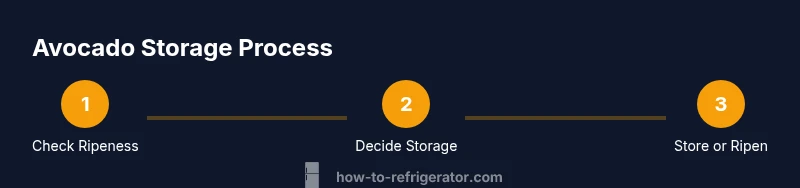
Check ripeness
Gently press the avocado to assess firmness. Unripe fruit should yield only slightly; ripe fruit will yield a bit more without feeling mushy. This helps decide whether to refrigerate now or let it finish ripening at room temperature.
Tip: Use the thumb pad, not nails, to avoid bruising the fruit. - 2
Decide on storage plan
Choose between refrigerating whole fruit to slow ripening or letting unripe fruit finish ripening at room temperature. If you’re unsure, a quick room-temp check usually yields the best texture for immediate use.
Tip: Plan ahead: if you want ripe fruit by a specific mealtime, estimate ripening time and refrigerate accordingly. - 3
Ripen unripe avocados (optional)
To speed up ripening, place unripe avocados in a brown paper bag with a banana or apple. Check daily; once soft, decide whether to refrigerate or use immediately.
Tip: Avoid plastic bags for speed ripening; they trap moisture and can degrade texture. - 4
Refrigerate unripe if delaying
If you want to delay ripening for a few days, place unripe avocados in the refrigerator. The fridge slows enzymatic activity and buys you time.
Tip: Keep them away from strong-smelling foods to prevent odor absorption. - 5
Store ripe avocados whole
Move ripe avocados to the crisper in the refrigerator. Keep them in a bag or container that minimizes air exposure but allows some airflow.
Tip: Check for a slight softness before using to confirm optimal ripeness. - 6
Prepare cut avocados
Scoop flesh and place in airtight container. Brush exposed surface with lemon juice to prevent browning, and seal well to limit air contact.
Tip: If you don’t use all the flesh, store the remaining fruit with as little exposed surface as possible. - 7
Label and track
Label containers with the date so you know how long they’ve been stored. Use cut avocados within 1-2 days for best quality.
Tip: A simple marker on the container helps you stay organized. - 8
Bring to serving temp
If refrigerated, let cold avocados sit at room temperature for a few minutes before serving to restore aroma and creaminess.
Tip: This helps maximize flavor and mouthfeel after cold storage.
FAQ
Can you refrigerate unripe avocados to slow ripening?
Yes. Refrigerating unripe avocados slows ripening, allowing you to time their use more precisely. If you’re delaying ripening, place them in the fridge, and move them back to room temperature when you’re ready to finish ripening.
Yes, you can refrigerate unripe avocados to slow ripening. Keep them in the fridge and move them to room temperature when you’re ready to finish ripening.
How long do avocados last in the fridge?
Whole ripe avocados stored in the refrigerator typically stay usable for a few more days. Cut avocados last only a short time, usually a day or two, even in an airtight container with citrus.
Ripe avocados last a few more days in the fridge; cut pieces last a day or two with proper sealing and citrus.
Should you freeze avocados?
Freezing whole avocados is not recommended as it damages texture. For best results, freeze mashed or puréed avocado with a bit of citrus before freezing.
Avoid freezing whole avocados; freeze mashed avocado with lemon if you need to store long-term.
Does the avocado pit prevent browning?
The pit can slow browning on the surface of a cut avocado, but it does not prevent browning entirely. Combine with lemon juice and airtight storage for best results.
The pit can slow browning a bit, but you still should use citrus and airtight storage.
What’s the best way to tell when refrigerated avocado is ready to eat?
Look for a slight yield when pressed, not softness. If the flesh gives gently and smells fresh, it’s ready to enjoy. Color alone is not a reliable indicator.
Gently press for a slight give; if it’s still firm with a fresh scent, it’s ready to eat.
Can I store avocado in a container with onions or garlic?
Store avocados away from strong-smelling vegetables like onions or garlic to avoid odor transfer. If you must share space, seal the container well.
Keep avocados away from strong-smelling produce to prevent odor absorption.
Top Takeaways
- Refrigeration slows avocado ripening and extends fresh life.
- Keep cut avocados in airtight containers with citrus to prevent browning.
- Unripe avocados can be refrigerated to delay ripening; plan ahead for best texture.
- Avoid freezing whole avocados; consider freezing puree instead.