Can You Refrigerate Tomatoes? A Practical Guide to Storage
Learn whether you can refrigerate tomatoes, how refrigeration affects flavor and texture, and practical storage strategies. This How To Refrigerator guide explains ripeness, timing, and methods to keep tomatoes fresh without sacrificing quality.


Short answer: yes, you can refrigerate tomatoes, but it’s not ideal for peak flavor. Refrigeration slows ripening and can dull sweetness and texture, especially for fully ripe fruit. If you must refrigerate, keep tomatoes whole and unwashed, in a breathable container, and use them within a few days for best taste.
Can you refrigerate tomatoes? Practical overview
In practical terms, the question can you refrigerate tomatoes is answered with a careful yes, but with caveats. The decision hinges on ripeness, how quickly you want to use them, and your tolerance for potential flavor changes. According to How To Refrigerator, refrigeration slows the natural ripening process and can alter the tomato’s characteristic sweetness and aroma. If you’re faced with excess supply or a short window before a planned meal, chilling tomatoes briefly is acceptable, but plan to reintroduce them to room temperature before serving to bring back some of their flavor profile. The How To Refrigerator team found that letting tomatoes breathe at room temperature for a little while after refrigeration can help restore a portion of their usual aroma, especially for slices used in salads or sandwiches.
When you do refrigerate, keep the tomatoes intact and avoid washing them until right before use. Moisture can accelerate spoilage and dull the surface. Place them in a breathable container such as a perforated plastic bag or a container with small air holes, and keep them away from strong-smelling items to prevent flavor transfer. If you have a mixed batch of ripe and underripe fruit, consider storing underripe tomatoes at room temperature to finish ripening while refrigerating ripe ones only briefly if needed. In short, can you refrigerate tomatoes? Yes, but do so strategically to minimize flavor loss.
Temperature ranges and timing for refrigerating tomatoes
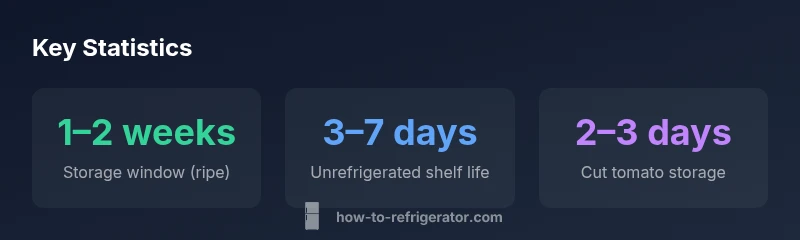
Temperature control is critical when answering can you refrigerate tomatoes. The standard household refrigerator operates around 35–40°F (2–4°C), which is cold enough to slow ripening but can cause cold injury to fresh tomatoes if stored too long. For best results, avoid long-term storage at this temperature for ripe fruit. Instead, aim for a shorter window of 1–2 weeks, and remember that flavor and texture typically decline the longer tomatoes stay chilled. If you’re transporting them or need to extend their life for a few extra days before cooking, the fridge can be a helpful stopgap. A practical approach is to refrigerate only after the tomatoes are fully ripe and plan to use them within a few days to preserve their sensory qualities. The key is to balance shelf life with taste.
A useful tactic is to bring refrigerated tomatoes back to room temperature before consuming. The warm reintroduction helps reawaken volatile compounds responsible for aroma and sweetness, though it won’t fully restore original flavor if the fruit has spent too long cold.
Flavor, aroma, and texture changes during refrigeration
Tomatoes rely on a delicate balance of sugars, acids, and volatile compounds to deliver their signature flavor. When you can you refrigerate tomatoes, remember that cold temperatures suppress flavor development and can alter texture, making the flesh feel mealy or rubbery. For many varieties, especially vine-ripened heirloom and field-grown types, the impact is more pronounced. The aroma compounds responsible for that bright tomato scent are less volatile at lower temperatures, so refrigerated fruit may taste flatter than fruit kept at room temperature. If you’re preparing a dish where the tomatoes will be heated, refrigeration can still be practical because cooking can compensate for some flavor loss, but for fresh applications like salsas or salads, room temperature storage often yields brighter taste and better mouthfeel. In summary, refrigeration trades flavor for extended shelf life, a trade you’ll want to consider based on your cooking plans.
How To Refrigerator emphasizes using refrigeration only when necessary and timing your usage to capitalize on the best possible flavor.
Unripe versus ripe tomatoes: when to refrigerate
A common question tied to can you refrigerate tomatoes is how to handle unripe versus ripe fruit. Unripe tomatoes are best kept at room temperature, away from direct sun, until they reach the desired color and firmness. Refrigeration at the unripe stage can halt ripening or cause uneven color development, which impairs texture and taste later. Once tomatoes are ripe, you can refrigerate if you need to extend their life by a few days, but expect some trade-offs. The timing strategy is simple: ripen at room temperature, then refrigerate only if you can’t use them immediately, and return them to room temperature before serving for the best overall flavor experience. The careful balance outlined by How To Refrigerator helps homeowners minimize flavor loss when storage windows are tight.
Storing cut tomatoes and tomato-based sauces
Cut tomatoes are especially susceptible to quality loss when stored. Once a tomato is cut, moisture escapes more readily, and the surface area increases exposure to air, which accelerates browning and flavor degradation. For cut tomatoes, refrigerate in a sealed container and use within 2–3 days to preserve safety and flavor. Tomato sauces and batches that are cooked down can be refrigerated for a few days or frozen for longer storage. If you plan to freeze, consider puréeing or crushing the tomato before freezing; the texture will change upon thawing, but sauces and soups will benefit from the preserved tomato flavor. When can you refrigerate tomatoes? You can, but plan to consume cut or processed forms relatively quickly for the best results.
Practical storage strategies and step-by-step guidance
For everyday storage, branch strategies help ensure you’re making the most of your tomatoes. First, separate ripe from underripe fruit. Keep underripe fruit at room temperature in a shaded, ventilated area until color develops. Move only ripe fruit to the fridge for short-term storage if needed, keeping them in a breathable container. Before cooking, wash gently or wash only when ready to use to prevent excess moisture buildup. If you anticipate a longer delay between purchase and consumption, you can freeze tomatoes for later use. Blanching and peeling before freezing improves texture in sauces. The practical steps are simple: evaluate ripeness, choose a suitable storage location, and track usage so you minimize waste while preserving flavor as much as possible. These strategies support can you refrigerate tomatoes when appropriate, without compromising quality.
Common mistakes to avoid with refrigerated tomatoes
A few common mistakes can undermine the goal of can you refrigerate tomatoes without sacrificing quality. Avoid storing tomatoes next to onions or in the fridge crisper with lettuce; strong odors and high humidity can transfer to the tomato skin. Don’t wash tomatoes until just before use, and avoid storing cut tomatoes in unsealed containers where they can pick up off-flavors quickly. Don’t forget that refrigeration is a last resort for many varieties; plan purchases with your kitchen workflow in mind to minimize the need for cold storage. Finally, don’t ignore signs of spoilage: soft spots, off smells, or mold indicate it’s time to discard the fruit. By avoiding these mistakes, you’ll get the most out of your produce and reduce waste while answering can you refrigerate tomatoes in practical, food-safe ways.
Quick tips to optimize tomato storage at home
- Let refrigerated tomatoes come to room temperature before eating for enhanced aroma and flavor.
- Store whole, unwashed tomatoes in a breathable container in the fridge for the shortest practical period.
- Separate ripe from underripe fruit; do not refrigerate underripe tomatoes.
- Consider freezing or canning to extend shelf life without relying on refrigeration for long periods.
- When in doubt, rely on aroma and texture cues to gauge freshness rather than relying solely on a date stamp.
Tomato storage scenarios: unripe, ripe, and cut states with refrigerator use
| State of Tomato | Storage Method | Typical Timeframe | Flavor/Texture Outcome |
|---|---|---|---|
| Unripe | Room temperature, breathable setup | 3–7 days | Matures without flavor loss |
| Ripe | Refrigerator (short-term) | 1–2 weeks | Flavor may decline; texture can become mealy |
| Cut/Opened | Refrigerator in sealed container | 2–3 days | Best used quickly; risk of browning and flavor loss |
FAQ
Can you refrigerate tomatoes?
Yes, you can refrigerate tomatoes, but it is not ideal for peak flavor. Use refrigeration when needed for extended shelf life and plan to use them within a few days for best taste.
Yes, you can refrigerate tomatoes, but it’s not ideal for flavor. Use it when you need to stretch storage and plan to use them quickly.
Do refrigerated tomatoes taste different?
Yes. Cold storage can dull sweetness and make texture feel mealy. Bringing them back to room temperature can help restore some aroma before serving.
Yes, they do taste different—refrigeration can dull flavor. Let them warm up a bit before using.
Should you refrigerate unripe tomatoes?
No. Unripe tomatoes do best at room temperature until they ripen. Refrigeration can slow or halt ripening and produce uneven color.
No, keep unripe tomatoes at room temperature until they ripen.
How should you store cut tomatoes?
Store cut tomatoes in a sealed container in the fridge and use within 2–3 days to retain safety and flavor.
Seal them and refrigerate; use within a few days for best flavor.
Can you freeze tomatoes?
Yes. Freeze tomato flesh or purée for sauces, but expect texture changes when thawed. Freezing is best for sauces and soups rather than fresh slices.
You can freeze tomatoes, but they won’t be the same fresh texture after thawing.
How can you tell if refrigerated tomatoes are still good?
Check for soft spots, off smells, or mold. If any signs are present, discard. When in doubt, trust your senses and when possible, use promptly.
Look for smell, texture, and mold—when in doubt, throw them out.
“"Tomatoes stored in the fridge will lose flavor faster; plan ahead by ripening at room temperature before refrigeration if you must."”
Top Takeaways
- Store unripe tomatoes at room temperature until ripe.
- Refrigeration extends shelf life but can dull flavor and texture.
- Use refrigerated tomatoes within a few days for best quality.
- Bring refrigerated tomatoes to room temperature before serving.
- For long-term storage, consider freezing or canning sauces