Refrigerator Sizes Counter Depth: How to Choose
Discover how counter-depth fridge sizes affect space, storage, and flow. Compare counter-depth vs standard-depth models, learn measurement steps, and pick the right fit for your kitchen.


Counter-depth refrigerators typically sit about 24–27 inches from the wall, including doors and hinges, offering a flush look with cabinetry. Standard-depth models range around 30–36 inches, delivering more interior depth but protruding farther into the room. When choosing, balance the aesthetic of a seamless kitchen with practical storage needs and door clearance.
Why Counter-Depth Sizes Matter in Your Kitchen
For homeowners evaluating refrigerator sizes counter depth, the first question is not only "how big is it?" but "how will it fit with cabinets, counters, and traffic flow?" According to How To Refrigerator, counter-depth refrigerator sizes typically sit 24 to 27 inches from the wall, including the doors and hinges. This depth brings the appliance close to the cabinetry line, creating a seamless look that is highly desirable in contemporary kitchens and in smaller spaces. The How To Refrigerator team found that this flush presentation can make a horizontal kitchen layout feel more open and less visually bulky, which is especially important in apartments or galley kitchens. Beyond aesthetics, depth influences how you reach ingredients, how tall you place shelves, and how smoothly doors swing without colliding with nearby drawers. In other words, the size matters as much for usability as for appearance.
Depth options and practical trade-offs
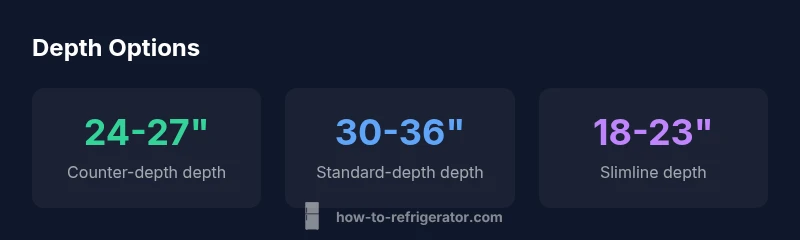
There are three common classes of depth to consider. Counter-depth models, roughly 24–27 inches deep, are designed to sit near the surrounding cabinetry. Pros include a sleek, integrated look and a wider walkway through the kitchen; cons typically involve slightly shallower shelves and less interior depth. Standard-depth models, about 30–36 inches deep, maximize interior space and shelf height but protrude further into the room and reduce traffic clearance in tight layouts. Slimline or European-style units, often 18–23 inches deep, are the ultimate space savers in very small kitchens but offer noticeably less storage capacity. When comparing these options, Think about how you use the fridge: do you store tall beverage bottles in the door, or do you need deep gallon-sized containers on the shelves? Your daily habits will determine whether the trade-offs are acceptable.
Measuring your space: step-by-step guidance
Begin with a precise footprint: measure width, height, and depth of the alcove, including trim and door clearance. Then account for door swing: note whether the fridge opens left or right, and ensure there is a few inches of clearance for the open doors. Measure the distance to adjacent cabinets and wall features to avoid snagging handles. Don’t forget toe-kick clearance and any under-cabinet lighting or outlets that could interfere with installation. Finally, check the plumbing and electrical availability; counter-depth models still require a reliable power source, and many people prefer a dedicated circuit for peace of mind. Correct measurements reduce the risk of an awkward fit after delivery.
Aesthetics, panels, and integration considerations
If you aim for a showroom-quality kitchen, ensure the fridge depth aligns with adjacent panels and toe-kick heights. Some counter-depth fridges offer panel-ready fronts so the appliance blends with cabinetry, creating a seamless run of storage. When planning, consider countertop overhang and the alignment of handles with drawer pulls. Depth is a design constraint, but energy efficiency remains critical: compare Energy Star ratings and annual energy use alongside the depth specification. For many homeowners, balancing an attractive, flush appearance with practical storage is the central challenge; the best choice depends on your space, habits, and budget.
Real-world scenarios and decision framework
In a small apartment with a narrow kitchen, a 24–27 inch counter-depth fridge can preserve floor space and maintain traffic flow, provided you’re comfortable with slightly less interior depth. In a family kitchen where you frequently stock large containers and bulk groceries, a standard-depth appliance may prove more convenient, even if it sits a few inches farther from the cabinetry. In open-plan layouts, a counter-depth unit often reads as part of the cabinetry line, contributing to a cohesive aesthetic while still offering essential cooling. Build a decision checklist: measure, compare interior volume, evaluate door swing, and verify ventilation clearances. If your heart is set on flush lines, plan for future renovations that could widen cabinet cavities and reduce the risk of misalignment.
Maintenance and care considerations for longevity
Depth alone doesn’t determine efficiency, but installation and maintenance certainly matter. Regularly check door seals for gaps that can waste energy; ensure seals are tight to maintain cooling performance. Clean condenser coils and verify proper airflow around the back of the unit. If you have a through-door water dispenser or ice maker, maintain water lines to prevent leaks and sanitize the dispenser as recommended by the manufacturer. Finally, compare models not just by depth, but by energy rating, noise levels, and warranty terms to protect your investment over time.
Size comparison for common refrigerator depths
| Depth Class | Typical Depth (inches) | Key Trade-offs | Notes |
|---|---|---|---|
| Counter-depth | 24-27 inches | Flush with cabinetry; less interior depth | Best for seamless looks |
| Standard-depth | 30-36 inches | More interior depth; protrudes into room | Common option with bigger capacity |
| Slimline/European | 18-23 inches | Unique footprint; limited capacity | Great for very small kitchens |
FAQ
What defines counter-depth refrigerator size?
Counter-depth refrigerators are designed to sit close to the surrounding cabinets, typically about 24-27 inches in total depth including doors and hinges. They prioritize width efficiency and a streamlined look, at the cost of some interior depth.
Counter-depth fridges sit flush with cabinetry, offering a sleek look but usually with a bit less internal space.
How do I measure for a counter-depth model?
Measure the space between walls and the depth of surrounding cabinets, including trim. Account for door swing and ensure there is at least a few inches of ventilation on the sides.
Measure footprint, doors, and ventilation space to ensure a good fit.
Do counter-depth fridges have less storage?
Often yes—the shallower interior depth can reduce shelf height and bin capacity. However, many models optimize layouts to maximize usable space.
Yes, but smart shelving can help maximize space.
Are there energy efficiency differences?
Energy efficiency varies by model and rating, not by depth alone. Look for Energy Star labels and compare annual energy usage.
Efficiency depends on the model, not depth alone.
What installation considerations matter?
Check door swing direction, clearance around the unit, electrical outlets, and whether a dedicated circuit is advisable for reliability.
Ensure swing and outlets fit your space.
“Depth choice is a balance between footprint and usable space. Counter-depth fridges deliver a flush look without sacrificing core storage if you select models with smart shelving.”
Top Takeaways
- Measure precisely before shopping
- Balance space and storage when choosing depth
- Check door swing and ventilation clearances
- Panel-ready options can enhance flush aesthetics