36-Inch Wide Counter-Depth Refrigerator Guide
Learn how a 36-inch wide counter-depth refrigerator fits your kitchen, with guidance on depth, capacity, energy efficiency, installation, and maintenance to help homeowners choose the best model.


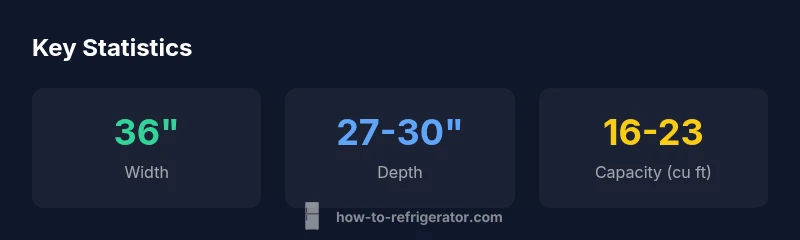
A refrigerator that is 36 inches wide and counter-depth typically sits about 27-30 inches deep when doors are closed, providing a compact footprint with full-size capacity. These models usually offer 16-23 cubic feet of usable space, depending on configuration. Plan for door swing and toe-kick clearance when fitting one into your kitchen.
Overview: What a 36-Inch Wide Counter-Depth Refrigerator Means for Your Kitchen
A refrigerator 36 inches wide and counter-depth is designed to align with surrounding cabinetry, producing a flush, professional-looking kitchen line. Counter-depth models typically sit shallower than standard-depth units, usually about 27-30 inches deep with doors closed. The term refrigerator 36 wide counter depth describes a unit that balances exterior footprint with interior practicality. This footprint fits many mid-sized kitchens without dominating the space, yet interior layouts can vary significantly between models. According to How To Refrigerator, your choice should balance exterior footprint, interior configuration, and your lifestyle needs, such as whether you prioritize a large ice maker, tall deli drawers, or a bottom freezer. Finishes matter too, as fingerprint-resistant steel or satin blends with cabinet color and affects daily maintenance. In focused shopping, you’ll hear about open door clearance, toe-kick height, and the impact of hinge placement on cabinet alignment. By starting with the footprint, you can narrow your options to configurations that truly fit your kitchen.
Dimensions, Capacity, and Interior Layout Options
36-inch wide counter-depth refrigerators come in several common configurations, including French door, side-by-side, and bottom-freezer styles. Each layout emphasizes different usability: French doors maximize shelf space and provide wide access to fresh foods; side-by-side offers quick access to refrigerated and frozen sections; bottom-freezer designs often optimize energy use and provide deep storage. In general, usable interior volume ranges from roughly 16 to 23 cubic feet, with higher-end models offering better shelf adjustability and more customizable compartments. While the exterior width remains constant at 36 inches, the interior can vary because the actual depth, hinge design, and door configuration affect usable space. When comparing models, pay attention to adjustable shelves, crisper drawers, and whether the ice-maker intrudes into the main compartment. How To Refrigerator notes that subtle differences in interior layout can have a big impact on daily use.
How to Compare Models for Your Kitchen
Start by mapping your kitchen footprint: measure the opening, door swing, and clearance around the fridge. Then compare core criteria: exterior depth range (27-30 inches), interior layout (French door, side-by-side, or bottom freezer), and energy efficiency labeling (look for ENERGY STAR when possible). Also consider the ice maker size and whether the freezer layout aligns with your grocery habits. Evaluate finish options, because doors with fingerprint resistance can reduce cleaning time. Finally, assess installation needs, including water line requirements and electrical outlet placement. A practical approach is to shortlist three models within your doorway and compare real-world usability, not just spec sheets.
Space Planning and Installation Considerations
Before purchasing, create a detailed plan of the kitchen space where the fridge will live. Measure the width of the opening as well as the surrounding cabinetry to ensure a proper flush fit. Account for door swing clearance and ensure there’s room for the doors to fully open without hitting adjacent cabinets. Check toe-kick height and make sure electrical outlets are in accessible locations. If you’ll feature an ice maker or water dispenser, plan for a water line run that minimizes kinks and avoids hidden moisture gaps. Professional installation is often worth the extra cost, especially to ensure the unit sits level and the door seals are tight. Keeping the coils clean and replacing the water filter on schedule helps maintain efficiency and cooling performance.
Energy Efficiency, Costs, and Reliability
Energy efficiency is a critical consideration for a counter-depth model. Look for ENERGY STAR-certified units when possible, as they generally consume less electricity than non-certified peers. Real-world energy use varies by features, insulation, and climate, but the focus should be on how long the compressor runs to maintain temperature stability. Expect energy costs to scale with size and features like ice makers or smart tech. While price ranges differ by brand and finish, plan for a 36-inch wide counter-depth fridge to fall within the mid-to-high tier of typical refrigerator budgets. How To Refrigerator recommends balancing upfront cost with ongoing energy savings and reliability, particularly in households with frequent grocery shopping or long fridge lifecycles.
Maintenance and Longevity Basics
Maintenance is often overlooked but crucial for longevity. Regular cleaning of gaskets and door seals prevents air leaks and frost build-up on counter-depth models. Replace water filters as recommended by the manufacturer, typically every 6-12 months, depending on usage and water quality. Keep condenser coils dust-free to maximize heat exchange efficiency; a dirty coil can reduce performance and raise energy use. If you notice unusual noises or temperature fluctuations, address them promptly to prevent more significant problems. Scheduling a professional service every few years can help catch issues that DIY checks miss. Regular maintenance also preserves interior organization, helping you get the most value from a compact footprint.
Smart Features and Future-Proofing
Many 36-inch wide counter-depth refrigerators offer modern conveniences such as adjustable shelves, humidity-controlled drawers, and optional ice makers. Some models include smart features like temperature alerts, door-left-open notifications, and app-based settings. When evaluating these features, consider whether your household will benefit from remote monitoring or automated maintenance reminders. While smart features can enhance usability, they add potential points of failure and higher repair costs. Prioritize models with proven reliability and straightforward, well-documented maintenance requirements to minimize long-term headaches. How To Refrigerator emphasizes selecting a configuration that complements your lifestyle rather than chasing every new feature.
Budgeting and Where to Buy
Plan for the total cost of ownership, including delivery, installation, and potential water-line upgrades. 36-inch wide counter-depth refrigerators can span a wide price range depending on configuration, finish, and brand reputation. Rather than chasing the lowest price, focus on fit, features, and energy efficiency. Where to buy is also important: reputable retailers with solid return policies and reliable service networks will help you avoid post-purchase complications. Use our buying guide to compare three to five models side by side, paying attention to interior layout, energy ratings, and long-term maintenance needs. 36-inch wide counter-depth refrigerators are an investment in space-saving kitchen design, and the right unit can deliver years of efficient cooling and organized storage.
Common 36-inch wide counter-depth configurations and their trade-offs
| Model Type | Width | Depth (with doors closed) | Capacity (cu ft) | Notes |
|---|---|---|---|---|
| Counter-Depth French Door | 36 in | 27-30 in | 18-22 cu ft | Balanced refrigeration and style |
| Counter-Depth Side-by-Side | 36 in | 29-30 in | 20-24 cu ft | Good storage for larger families |
| Counter-Depth Bottom Freezer | 36 in | 28-30 in | 16-21 cu ft | Efficient ice and budget-friendly |
FAQ
What does '36-inch wide counter-depth' actually mean for cabinet fit?
It means a fridge that fits a 36-inch opening and sits shallower than standard-depth units, typically 27-30 inches deep. This preserves countertop alignment while delivering usable interior space.
A 36-inch wide counter-depth fridge fits a standard 36-inch opening and sits shallower than typical models, usually about 27 to 30 inches deep.
Will a 36-inch wide counter-depth refrigerator fit through standard doorways?
Most will fit standard doorways, but you should measure doorway width and account for hinge clearance and swing. Some models mount hinges externally and may need extra space.
Most fit through standard doorways, but check door width and hinge clearance.
What are the trade-offs of counter-depth designs?
Counter-depth units save space and align with cabinetry, but interior volume is typically less than deeper models. Shelf flexibility and ice-maker size can vary by configuration.
They save space and look great with cabinets, but interior space and some features can be more limited.
How do I improve energy efficiency on a counter-depth fridge?
Choose ENERGY STAR certified models when possible, maintain door seals, keep coils clean, and avoid storing heat-producing items near the door.
Choose ENERGY STAR models and keep seals clean.
What maintenance is required for these models?
Regular cleaning, filter replacements per the manual (often every 6-12 months), and periodic door-seal checks help maintenance and efficiency.
Keep filters clean and replace as recommended.
“A 36-inch wide counter-depth refrigerator is a smart compromise for tight kitchens when you prioritize footprint and organization.”
Top Takeaways
- Measure your space early to ensure a flush fit with cabinet depth.
- Expect 27–30 inches of depth for counter-depth models.
- Prioritize interior layout and energy efficiency in your shortlist.
- Plan for water line installation if you want ice or a water dispenser.
- Balance upfront cost with long-term energy savings and reliability.