Counter Depth Refrigerator Size: How to Choose the Right Fit
Learn how to size a counter depth refrigerator, plan space, compare widths and depths, and install with proper clearance—with expert tips from How To Refrigerator.


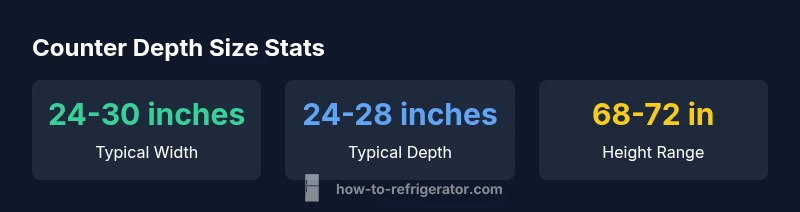
The counter depth refrigerator size is designed to sit flush with your cabinets, typically width in the 24-30 inch range and depth around 24-28 inches. When planning, measure cabinet openings, door swing clearance, and the space behind the fridge for ventilation. In most kitchens, choosing the right size improves both aesthetics and usable storage.
Why size matters for counter depth refrigerators
The counter depth refrigerator size matters for aesthetics, usability, and long-term performance. A model that’s too large will crowd counters, obstruct door swings, and make it hard to reach items at the back of the shelves. A unit that’s too small may force you to shop more often or stack items in non-ideal spots. According to How To Refrigerator, a careful balance between exterior dimensions and interior layout yields the best everyday experience. The size also affects energy efficiency; a compact interior can run more frequently but often with lower energy use per cubic foot, depending on compressor design and insulation. The goal is to maximize usable space while keeping a seamless look between cabinetry and appliances. When you size up, consider not only the outside box but interior features: adjustable shelves, deep door bins, and convertible zones that accommodate tall bottles, wide platters, and frozen pizzas. If you plan around typical kitchen flows and avoid clutter near the entry, the counter depth refrigerator size will feel integrated rather than intrusive. In short, choosing the right size improves daily usability, reduces rearranging, and preserves the kitchen’s cohesive aesthetic.
How to measure your space for counter depth models
Before you shop, take precise measurements and verify installation clearance. Start with the cabinet opening widths—measure the tightest point, typically between 24 and 30 inches for counter depth models. Next, measure the cabinet depth from the face of the cabinet to the wall, minus any backsplash; most counter depth fridges fit within a 24-28 inch depth. Check door swing clearance by opening the nearest cabinet door and ensuring there’s at least 1 to 2 inches of space for the doors to open fully without hitting countertops or appliances. Don’t forget the ceiling height: tall models range from about 68 to 72 inches, and some configurations may require a taller opening. Plan for a dedicated electrical outlet and a water line if you want an ice maker, and consider how your pantry or fridge-clearing walkway will be affected. Finally, measure the space behind the unit for ventilation—recommending at least 1 inch of clearance to prevent heat buildup and to allow air to circulate. If possible, bring a tape measure and a straightedge when you visit stores so you can compare exact in-store dimensions to your home space.
Typical width and depth options and what they mean for installation
Counter depth refrigerators commonly come in widths of 24, 27, or 30 inches. A wider unit provides more interior width for shelving but may require a larger kitchen opening. In terms of depth, most models sit about 24 to 28 inches from the wall to the outer door edge, though handles and hinges can add extra inches. Height varies by model and style (French door, side-by-side, or bottom freezer), typically ranging from 68 to 72 inches. Understanding these ranges helps you match a unit to your cabinet line and ensure a clean, integrated look. When choosing, consider clearance around adjacent drawers or cabinets; some kitchens require a recessed toe-kick to preserve foot space. Note that some models offer tighter door swing with outward swinging hinges, which can affect pantry access. Finally, keep in mind that a slightly deeper or wider model may necessitate a partial cabinet reconfiguration or a new layout to maximize usable space.
Capacity, shelving, and interior layout: balancing size with usability
Interior design directly influences perceived and actual capacity. A wider exterior does not always translate to proportionally more usable space if shelves are fixed or bins are shallow. Look for adjustable shelves, gallon-door storage, and humidity-controlled drawers that adapt to different foods. Many counter depth models offer flexible configurations: slide-out baskets, variable-height shelves, and door racks that accommodate tall bottles. Pay attention to the interior depth at the back of shelves, because some models leave more room for tall condiments than others. If you regularly store large trays or pizzas, seek a model with a tall-item shelf or a dedicated drawer. Finally, compare energy use per cubic foot; a model with better insulation and an efficient compressor can offset slightly larger exterior dimensions by reducing running costs over time.
Installation considerations: clearance, water lines, and ventilation
Plan for proper ventilation behind the unit—obstructions can raise compressor temperatures and shorten life. Ensure you have at least 1 inch of clearance on the sides and back, with more if you have tight toe-kicks or cabinetry. If you install an ice maker, prepare a cold-water line and confirm the line’s diameter matches the appliance. Check electrical requirements and dedicated outlets in the kitchen, ensuring there’s no shared circuit with heavy appliances. Finally, verify that the doorway path and floor transition will allow the fridge to be moved into position without scraping walls or doors. If you anticipate a future kitchen renovation, choose a counter depth size that allows flexibility for reconfiguring nearby cabinets or appliances.
Maintenance and future-proofing your counter depth fridge size
To extend lifespan and maintain performance, clean condenser coils regularly and check door seals for leaks. Consider a modular interior layout with adjustable shelves to accommodate changing groceries or seasonal items. If you plan future updates to cabinetry, select a width that aligns with standard cabinet increments (for easier replacements). Finally, keep model specs handy—dimensions, door swing, and clearance requirements—and document any on-site measurements in a home inventory. By prioritizing flexible interior design with a size that fits your cabinetry, you’ll enjoy a kitchen that remains cohesive through routine maintenance and occasional upgrades.
Counter depth size reference
| Aspect | Typical size range | Notes |
|---|---|---|
| Width (outer) | 24-30 inches | Most common cabinet openings |
| Depth (cabinet depth) | 24-28 inches | Consider handles/hinge breadth |
| Height | 68-72 inches | Model-dependent |
| Door swing | Inward/outward | Check clearance with adjacent cabinets |
| Ventilation clearance | 1-2 inches behind/sides | Ventilation and airflow |
FAQ
What is the typical width of counter depth refrigerators?
Most counter depth models are offered in widths around 24-30 inches. Actual widths vary by model, so measure your cabinet openings and door clearance before shopping.
Most counter depth models are about 24 to 30 inches wide.
How deep are counter depth refrigerators?
Counter depth depths typically run roughly 24-28 inches from the wall to the outer door edge, depending on handles and hinge design.
They usually sit a bit shallower than standard fridges.
Can I install a counter depth fridge flush with cabinetry?
Yes, with proper cabinet depth and clearance. You may need air gap space and door swing considerations; consult a professional if unsure.
Yes, as long as you have enough clearance.
How do I choose the right size for my kitchen?
Measure cabinet openings, consider door swing, ice/water line fit, and interior storage needs; balance depth and width with cabinetry.
Measure openings and think about how you’ll use the shelves.
Are there energy-efficient options in counter depth fridges?
Yes, many counter depth refrigerators are Energy Star rated; check energy usage per model and compare yearly operating costs.
Many are energy efficient.
“Choosing the right counter depth refrigerator size is a balance of aesthetics and practicality—measure twice, compare models, and prioritize interior layout.”
Top Takeaways
- Measure cabinet openings before shopping
- Aim for flush integration with cabinetry
- Check door swing and clearance early
- Balance exterior size with interior layout
- Plan for water line and ventilation