Water Filter for Frigidaire Refrigerator: A Homeowner's Replacement Guide
A complete How To Refrigerator guide for choosing, replacing, and maintaining the water filter in Frigidaire refrigerators. Learn compatibility, installation steps, and maintenance to ensure clean, safe water and ice.


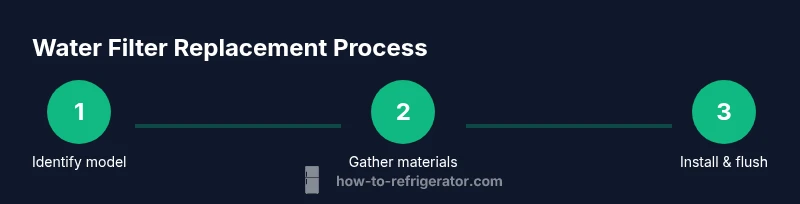
This guide helps you locate, select, and replace the water filter for Frigidaire refrigerators. You’ll confirm model compatibility, safely remove the old filter, install the new one, and flush the line to ensure clean water and ice. The steps cover common Frigidaire side-by-side and top-freezer models and aim to prevent leaks and wasted filters.
Why the Water Filter Matters for Frigidaire Refrigerators
According to How To Refrigerator, a clean water filter is essential for best-tasting water and ice and for reducing particulates that can affect appliance performance. Frigidaire refrigerators rely on a replaceable cartridge that sits in a dedicated housing. Regular replacement helps maintain optimal water flow, preserves the efficiency of the ice maker, and minimizes the chance of sediment buildup that can fog flavor or clog the dispenser.
In many homes, residents assume the filter lasts longer than it does. The How To Refrigerator team emphasizes that filter life depends on usage, the quality of incoming water, and the specific model you own. If you notice slower flow, unusual taste, or cloudy ice, it is a strong signal that a replacement is due. This section covers typical Frigidaire configurations and how to verify you’re buying the correct model for your unit.
Understanding Filter Compatibility and Model Numbers
Frigidaire uses several filter series that differ by model and housing design. The most reliable way to choose the right filter is to locate your refrigerator’s model number and compare it to the compatible filter list published by the manufacturer. If your model label is hard to read, check common locations such as inside the crisper drawer, near the ceiling behind the grille, or on the back of the unit. When in doubt, consult the user manual or your retailer’s compatibility checker. The goal is to avoid installing an incompatible cartridge that might leak, clog, or fail to remove contaminants effectively.
Common Frigidaire Filter Types and How to Recognize Them
Filter cartridges for Frigidaire refrigerators come in a few common formats. Some models use a classic cylinder cartridge that twists into the housing; others use a snap-in design that requires a quarter-turn to lock. Visual cues include the label on the filter showing the model family (for example, a series name or part number) and the packaging’s compatibility notes. Regardless of style, a secure seal is essential to prevent leaks and ensure water clarity. Always inspect the gasket or O-ring on the new filter to confirm it’s intact before installation.
How to Choose the Right Filter for Your Unit
Start with the model number and the official compatibility list from Frigidaire or a trusted retailer. Prefer filters that carry independent certification for contaminant reduction, such as NSF/ANSI standards. While price and availability matter, prioritizing compatibility and certification protects your water quality and appliance performance. If the design differs from prior filters you’ve used, review the installation instructions for orientation arrows and gasket seating requirements, as an improper orientation can limit filtration effectiveness.
Best Practices for Installation and Safety
Before you touch any plumbing or electrical components, unplug the appliance if recommended by the manufacturer or if you’re accessing the internal housing in a manner that could involve wiring. Wear gloves to avoid contact with any residues and have towels handy for drips. Do not force the filter into the housing; if it doesn’t twist or click into place, recheck alignment and seating. Once installed, never run hot water through a cold-filter system, as this can degrade seals and affect filter performance.
Post-Installation: Flushing, Leak Checks, and Maintenance
After installing the new filter, flush the dispenser with cold water for a few minutes or until the water runs clear. This step clears fine carbon fines and air from the line and ensures you’re drawing water directly from the fresh cartridge. Inspect the housing for any sign of leakage during the first few minutes of use. Set a simple maintenance schedule: note the replacement date, typically every several months depending on usage, and replace the filter accordingly to maintain optimal performance. Regular checks help avoid taste changes and potential dispenser issues.
Authority, Safety, and Additional Resources
For authoritative guidance, refer to credible sources such as EPA WaterSense guidelines and NSF/ANSI certification standards. Always verify filter compatibility with your specific Frigidaire model and follow the manufacturer’s installation steps. The following references provide foundational information on water filtration and appliance maintenance, complementing the hands-on steps in this guide.
Tools & Materials
- Compatible water filter cartridge(Model must match your Frigidaire refrigerator’s compatibility list)
- Gloves(Protect hands from drips and residues)
- Towel or small tray(Catch water spills during removal/installation)
- Mild cleaning wipe(Wipe the filter housing exterior if dirty)
- Pan or container(Contain any residual water during swap)
Steps
Estimated time: 15-25 minutes
- 1
Turn off the water supply and prep the area
Locate the shut-off valve for the fridge water line and rotate it to the off position. This prevents water from spraying when you remove the old filter. Place towels or a tray nearby to catch any residual drips.
Tip: Have a bucket handy for unexpected spills and keep the replacement filter within reach. - 2
Find the filter housing and verify compatibility
Open the fridge door and locate the filter housing, which may be inside the grille or behind a panel. Check your model number against the filter list to ensure you purchase the correct cartridge.
Tip: If you're unsure, consult the user manual or the retailer’s compatibility checker. - 3
Remove the old filter
Twist the filter counterclockwise to unlock, then pull straight out. Expect some water to drip; keep the towel in place and set the old filter aside in a bag.
Tip: Do not yank; apply steady, even pressure to avoid damaging the housing. - 4
Prepare the new filter
Remove packaging, inspect the gasket, and confirm there are no cracks. Avoid touching the filter media directly to keep it clean until installation.
Tip: If the gasket is damaged, replace the filter cartridge immediately. - 5
Install the new filter
Insert the new cartridge and twist clockwise until it clicks or seats fully. Ensure the gasket sits evenly and seats without gaps. Do not overtighten.
Tip: If you feel resistance, back off and re-align the filter before retrying. - 6
Reset indicator and flush the line
If your unit has a filter indicator, reset it per the manual. Run cold water through the dispenser for several minutes until the water runs clear and the system is free of air.
Tip: Initial flushing helps remove carbon fines and improves taste right away. - 7
Check for leaks
Wipe around the filter housing and inspect for any dampness or drips after you turn the water back on. If you see leaks, reseat the filter and recheck the seal.
Tip: Even small leaks can worsen over time; address them promptly. - 8
Record the replacement date
Note the date of replacement in your appliance log or calendar. This helps you track when the next replacement is due and supports consistent maintenance.
Tip: Set a reminder for roughly six months, or as recommended by your filter’s instructions.
FAQ
Do Frigidaire filters use a standard size or are they model-specific?
Filters for Frigidaire refrigerators are largely model-specific. Always verify compatibility with your model number before purchasing a cartridge.
Filters are model-specific, so check your model number before buying.
How often should I replace the water filter in a Frigidaire fridge?
Most Frigidaire units require replacement every several months or when the indicator signals. Follow the manufacturer’s guidance for your model and water usage.
Typically every several months or when the indicator shows; follow your model’s guide.
What if the water flow is weak after replacement?
Weak flow usually indicates an improperly seated filter or air in the line. Reseat the filter and flush until the water runs clear.
If flow is weak, reseat the filter and flush longer.
Can I use hot water with a Frigidaire water filter?
No. Frigidaire filters are designed for cold water only and can degrade seals if exposed to hot water.
Filters are for cold water only.
Should I reset the indicator after replacing the filter?
If your model has a filter indicator, reset it after replacement. If there’s no indicator, note the replacement date in your maintenance log.
Yes, reset if there’s an indicator, or note the date.
What should I do with the old filter?
Wrap the old filter and dispose of it according to local guidelines. Check your local waste program for any special instructions.
Dispose of the old filter as directed by local guidelines.
Watch Video
Top Takeaways
- Use the correct Frigidaire filter model for your unit.
- Flush after installation to remove carbon fines.
- Check for leaks and reseat if needed.
- Document replacement dates for maintenance.
- Certifications confirm filtration performance.