How to Clean Refrigerator Door Seal: Safe Step-by-Step Guide
Learn how to clean refrigerator door seal safely and effectively. This guide covers tools, methods, and maintenance to keep your gasket airtight and your fridge running efficiently.


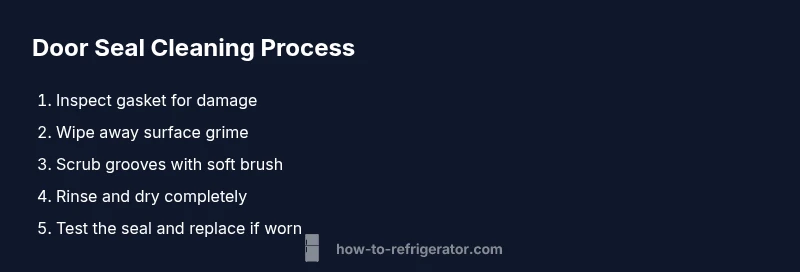
To clean a refrigerator door seal safely, start by removing loose crumbs and sticky residue, then mix a mild cleaning solution with warm water and dish soap. Gently scrub the gasket with a soft cloth or a soft-bristled brush, making sure to reach the corners. Rinse, dry, and inspect the seal for cracks, swelling, or wear that could affect the airtight seal.
Why the Door Seal Matters
The refrigerator door seal, or gasket, is the first line of defense against warm kitchen air. The flexible rubber around the opening snaps tightly against the door when closed, creating an airtight seal that keeps cold air in and heat out. When the seal is dirty, damaged, or stiff, it cannot press evenly against the door, which can lead to cold air leaking out, frost on coils, and higher energy bills. Over time, even small bits of food residue, mold, or grease build up on the gasket and in the creases, causing small gaps that invite warm air to creep in. Regular cleaning helps maintain performance, extend gasket life, and reduce unnecessary compressor run time. The How To Refrigerator team recommends assessing the gasket annually and cleaning as part of a seasonal fridge maintenance routine, especially in humid climates or if the door experiences frequent use. In this section, we’ll cover practical steps to restore a clean, flexible seal without damaging the rubber.
Signs Your Door Seal Needs Cleaning or Replacement
Not every squeak or leaky hinge means the gasket is worn, but a few telltale signs indicate it’s time to clean or replace. Look for visible grime along the gasket lip, sticky residue at the seams, or mold growth in the folds. If the door does not close fully or you notice condensation forming near the seal, the gasket may be allowing air to escape. A stretched, cracked, or stiff gasket won't seal properly even after cleaning, and may require replacement. For best results, inspect the entire gasket length with the door open and measure the gaps at several points around the perimeter. If you’re unsure about wear, run a simple water test: seal the door around a thin piece of paper or a dollar bill; if you can pull the paper out easily with the door closed, the seal is compromised.
What Not to Do: Cleaning Pitfalls
Avoid harsh chemicals on rubber gaskets—bleach, ammonia, and solvents can degrade the material. Do not use abrasive scrubbers that can scratch the gasket's surface, which can create more gaps. Do not soak the gasket or submerge the door; moisture inside the hinge area can cause rust or electrical issues. Never use a high-pressure spray on the door lip; instead, gently wipe with a damp cloth. Finally, avoid heat sources that can warp the gasket; room-temperature cleaning is sufficient.
Materials and Prep: Tools You'll Need
Before you start, gather a few simple tools and supplies so you won’t interrupt the cleaning mid-task. A microfiber cloth or soft cotton rag helps lift grime without scratching. A soft-bristled toothbrush reaches into the gasket grooves and corners. Mild dish soap mixed with warm water provides a gentle cleaning solution. Have a small bowl for solution, a separate cloth for drying, and paper towels for final blotting. Optional white vinegar can help tackle stubborn grime; use sparingly and rinse well. Keep a towel handy to protect the floor and wipe any drips immediately.
Cleaning Method: Deep Cleaning the Gasket
Begin by inspecting the gasket as you wipe away surface grime with a damp microfiber cloth. Dip the cloth in your mild soap solution and gently work along the gasket’s lip, moving slowly to reach folds and crevices. For stubborn grime, switch to a soft-bristled brush and light scrubbing—always with the grain of the rubber to avoid damage. Rinse the cloth frequently and wipe away soap residue to prevent soap film from attracting more dirt. Finish by drying with a clean towel and drying the gasket edges thoroughly to prevent mold growth.
Post-Clean Maintenance: Extending Seal Life
After cleaning, ensure the gasket is completely dry and free of soap residue. Keep the seal clean by wiping it down during routine fridge maintenance and addressing spills near the door promptly. If the gasket feels stiff or shows signs of cracking after cleaning, consider replacement, as a compromised seal can increase energy use and cause moisture buildup. In humid environments or with heavy use, schedule periodic checks every few months and reference your refrigerator’s manual for any manufacturer-recommended products.
Quick Troubleshooting: When Cleaning Isn’t Enough
If you notice persistent leaks after cleaning, re-test the seal’s tightness with a dollar bill test at multiple points around the door. If you still notice gaps, the gasket may be deformed, worn, or misaligned with the door frame. In such cases, gasket replacement or hinge adjustment might be the only reliable fix. Always consult the model’s manual or a professional if you’re unsure about the fit or replacement procedure. Regular maintenance reduces the likelihood of recurring issues.
Tools & Materials
- Microfiber cloth(Lint-free, soft; use for wiping and drying)
- Soft-bristle toothbrush(Reaches into gasket grooves and corners)
- Mild dish soap(Non-abrasive; safe on rubber)
- Warm water(For solution and rinsing)
- Small bowl(Mix cleaning solution)
- Paper towels or clean towels(Dry the gasket thoroughly)
- White vinegar (optional)(Use 1:1 with water for tough grime)
- Safety gloves (optional)(Protect hands if desired)
Steps
Estimated time: 25-40 minutes
- 1
Inspect the gasket for damage
Open the door and visually inspect the entire gasket length. Look for cracks, tears, stiffness, or gaps where the seal meets the frame. If you find serious damage, plan replacement rather than attempting a repair.
Tip: Use a flashlight to catch hidden cracks and the inner folds. - 2
Remove loose debris
Wipe away loose crumbs, spilled liquid, or sticky residue from the gasket surface. Avoid pressing hard; the goal is to lift grime, not grind it into the rubber.
Tip: Work from the top to the bottom to prevent drips from re-soiling cleaned areas. - 3
Prepare cleaning solution
Mix warm water with a few drops of mild dish soap in a small bowl. For stubborn grime, add a splash of white vinegar and allow it to sit for a minute before scrubbing.
Tip: Keep the solution at room temperature to prevent condensation on the gasket. - 4
Gently scrub the gasket
Dip a microfiber cloth or sponge into the solution and wipe along the gasket’s lip and grooves. Use the toothbrush for hard-to-reach spots. Always scrub softly to avoid tearing or distorting the rubber.
Tip: Follow the groove’s direction to avoid snagging the material. - 5
Rinse and wipe away soap
Rinse your cloth frequently and wipe away any soap residue. Soap film can attract more grime, so thorough rinsing minimizes future buildup.
Tip: Never leave soapy residue on the gasket, especially near the hinge area. - 6
Dry thoroughly and inspect again
Dry the gasket completely with a clean towel. Re-check for any remaining grime or moisture pockets that could harbor mold.
Tip: A dry gasket seals better and resists mold growth. - 7
Test seal and note wear
Close the door gently and test the seal by placing a thin piece of paper along the edge. If the paper pulls out easily from multiple points, the seal may need replacement or hinge adjustment.
Tip: Test at top, middle, and bottom for a comprehensive check. - 8
Clean up and store materials
Rinse and dry all tools, return items to their storage, and wipe the work area. Keeping supplies organized reduces the chance of cross-contamination on future cleanings.
Tip: Label containers if you use a dedicated fridge-cleaning solution.
FAQ
How often should I clean the refrigerator door seal?
Most households benefit from cleaning the door seal every 3-6 months, or after any spill near the seal. Regular cleaning helps maintain an airtight seal and energy efficiency.
Clean the seal every few months, or after spills, to keep the fridge airtight.
Can I use bleach on the gasket?
Bleach is too harsh for most rubber gaskets and can degrade the material. Use a mild soap solution instead.
Bleach isn’t recommended for door gaskets; stick to mild soap and water.
My gasket is cracked. Should I replace it?
If you see cracks or large tears, replacement is usually the best option to restore sealing and efficiency.
If you notice cracks, replace the gasket rather than trying to fix it.
Does cleaning the seal save energy?
A clean seal reduces air leaks, which can lower the refrigerator's run time and improve efficiency over time.
A clean seal helps prevent energy waste.
Is it safe to unplug the fridge to clean the door seal?
Unplugging is not strictly necessary; you can clean with the fridge powered on if you take care not to drip water inside controls. Always wipe dry.
If you must, you can unplug, but it’s not essential; wipe up any moisture quickly.
Should I apply lubricant to the gasket?
Most gaskets do not require lubrication; refer to your appliance manual. If advised, use a manufacturer-approved product and apply sparingly.
Only lubricate if the manufacturer says so, and use very little.
Watch Video
Top Takeaways
- Keep the gasket clean to prevent leaks
- Use mild cleaners and soft tools
- Dry thoroughly to prevent mold
- Replace worn gaskets promptly