How Long Do Boiled Eggs Last in the Refrigerator?
Discover safe storage times for boiled eggs, including shell-on vs peeled, ideal refrigeration practices, and tips to maximize freshness in your fridge.


Hard-boiled eggs keep the best quality when left in the shell. According to How To Refrigerator guidelines, in the fridge hard-boiled eggs with shells last about 1 week, peeled eggs about 3-5 days. Always store them in a clean container, refrigerate promptly after cooking, and label by date to prevent accidental spoilage. If you peel them, eat within 3-5 days for best flavor and safety.
Understanding Boiled Egg Storage Basics
If you’re asking how long to boiled eggs keep in the refrigerator, the short answer depends on whether the eggs are still in their shells and how they’re stored. Hard-boiled eggs are a perishable product; they should be cooled quickly after cooking and stored promptly. For most home kitchens, the shell acts as a natural barrier against moisture and bacteria, helping preserve texture and flavor longer than peeled eggs. According to How To Refrigerator, the guidelines emphasize minimalist handling and airtight storage to maintain quality. In practice, this means placing boiled eggs in a clean container and keeping them consistently refrigerated at or below 40°F (4°C). It also means avoiding cross-contamination from strong-smelling foods and ensuring the container is sealed.
Beyond the shell, the method of cooling matters. Rapid cooling minimizes the growth of surface bacteria and preserves the delicate proteins that give boiled eggs their characteristic texture. If you’re cooking several eggs, cool them quickly in an ice bath or under cool running water before transferring to your fridge. This reduces the time eggs spend in the “danger zone” where bacteria flourish. As you plan meals, consider how you’ll use the eggs within their safe window and organize your fridge to keep them away from raw proteins and other perishables.
How Long Do Boiled Eggs Last in the Refrigerator
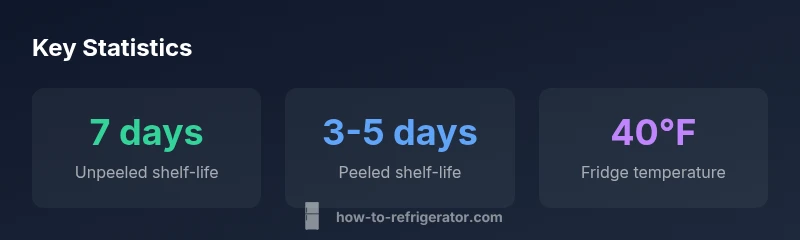
The core question for most households is the actual shelf life. Unpeelled boiled eggs in the shell typically remain safe and at good quality for about 7 days when stored in the refrigerator. Peeled boiled eggs, having lost their natural shell barrier, are more vulnerable to moisture loss and contamination and are best consumed within 3-5 days. These timelines are general guidelines and assume a refrigerator temperature of 40°F (4°C) or lower and proper containment to prevent odors and moisture loss. For health-conscious households following How To Refrigerator recommendations, labeling each container with the date you boiled the eggs can prevent confusion and reduce waste. If a peeled egg is stored longer than 5 days, discard it to minimize risk, even if it looks and smells fine.
Temperature, Contamination, and Safety Windows
Maintaining a consistent refrigerator temperature is essential for preserving boiled eggs. The U.S. food safety framework advises keeping perishable foods at 40°F (4°C) or below. Boiled eggs stored above this temperature for extended periods can enter the unsafe zone where bacteria grow more rapidly. Additionally, peeled eggs are more susceptible to absorbing odors from other foods, which can degrade flavor and texture and even hint at spoilage. Always place boiled eggs in a sealed container or a dedicated egg storage tray to minimize contact with air and other foods. The combination of shell integrity, proper cooling, and a stable cold environment is the most reliable way to protect quality and safety.
Step-by-Step Storage Guide
- Cool promptly: After boiling, cool eggs quickly in an ice bath or under cold running water for at least 5-10 minutes. 2) Dry and seal: Pat dry with a clean towel and place in an airtight container. 3) Whole or peeled: If keeping the shell on, leave them unpeeled; if peeling, ensure they are dry before sealing. 4) Label: Mark the date of cooking on the container. 5) Refrigerate: Store at 40°F (4°C) or lower. 6) Use timeline: Refer to the shelflife window (7 days unpeeled, 3-5 days peeled) and plan meals accordingly.
Labeling, Organization, and Practical Tips
Labeling is more than writing a date; it’s about planning. Use a dedicated egg storage container or a small bin with a clear lid to prevent cross-contamination. If you share a fridge with others, place boiled eggs on the top or middle shelf away from raw poultry or meat juices to minimize drip contamination. A small damp paper towel at the bottom of the container can help maintain moisture and texture for peeled eggs, though it should be changed if it dries out.
Signs of Spoilage and When to Discard
Disposal is prudent when you observe any off smell, unusual color, or texture. A sulfuric or rotten odor, a slimy surface, or a gray-green ring around the yolk are clear indicators that the egg is no longer safe to eat. If you’re uncertain, err on the side of caution and discard. Even if an egg looks fine, if it’s been stored beyond the recommended window, it’s safer to discard rather than risk foodborne illness.
Common Mistakes to Avoid
Avoid storing peeled eggs in open air or uncovered containers, as that accelerates moisture loss and odor absorption. Don’t leave boiled eggs at room temperature for more than two hours, and never store eggs near strong-smelling foods like onions or garlic without a sealed lid. Finally, don’t reuse water used to boil eggs for other foods, as it can introduce surface bacteria back into the refrigerator if not properly heated.
Quick Quality-Preserving Tips
- Chill quickly after cooking and store promptly. - Keep eggs in a dedicated, airtight container. - If peeling, consider consumption within 3-5 days. - Always check dates and smell before eating. - Use a consistent fridge temperature around 40°F (4°C).
Boiled eggs storage comparison
| Aspect | In-shell (unpeeled) | Peel-off (peeled) |
|---|---|---|
| Shelf-life | 7 days | 3-5 days |
| Storage method | In-shell, airtight container | Airtight container; keep damp paper towel (optional) |
| Safety note | Refrigerate within 2 hours of cooking | Refrigerate within 2 hours of cooking |
FAQ
Can I store boiled eggs in the fridge with shells on?
Yes. Hard-boiled eggs stored in their shells can last about 7 days in the refrigerator when kept in a clean, airtight container. Always refrigerate promptly after cooking.
Yes, you can store hard-boiled eggs with shells in the fridge for about a week when kept sealed and cold.
Are peeled boiled eggs safe to store in the fridge?
Yes, but peeled eggs are best used within 3-5 days. Store them in an airtight container and keep them away from strong-smelling foods.
Peeled eggs stay safe for 3-5 days in the fridge when kept in an airtight container.
Can I freeze boiled eggs?
Freezing boiled eggs is not recommended; texture can change and the quality declines. Refrigeration within the recommended window is preferred for best taste and texture.
Freezing boiled eggs isn’t advised because texture often suffers; use the fridge timelines instead.
What is the safe temperature for storing boiled eggs?
Keep boiled eggs at 40°F (4°C) or below in the refrigerator to minimize bacterial growth.
Keep them at 40 degrees or colder in the fridge.
Do I need to cool boiled eggs before refrigeration?
Yes, cool eggs quickly after boiling, ideally in an ice bath or under cold running water for 5-10 minutes before refrigerating.
Cool them quickly after boiling before putting them in the fridge.
How can I tell if a boiled egg has gone bad?
Check for off odors, slimy textures, or unusual colors. If anything seems unusual, discard the egg safely.
If it smells bad or looks off, throw it away.
“Proper storage is the simplest way to keep boiled eggs safe and tasty. By following clear timelines and keeping eggs refrigerated, you reduce waste and preserve quality.”
Top Takeaways
- Store in-shell eggs for longer shelf life.
- Peel-only if you plan to consume within 3-5 days.
- Refrigerate promptly and keep at 40°F (4°C) or below.
- Label dates to track safe consumption windows.
- Discard if there is any sign of spoilage.